
Last updated November 24, 2026
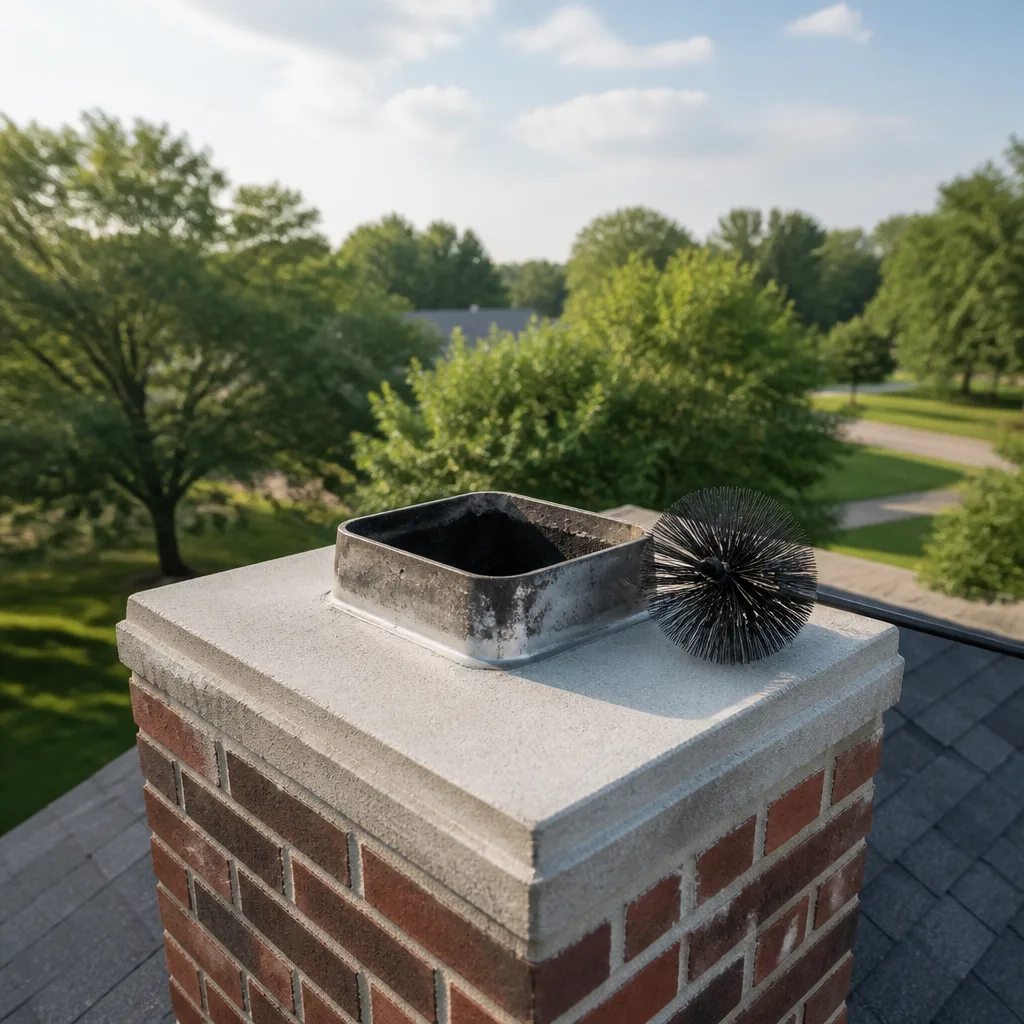 Sweep & inspection
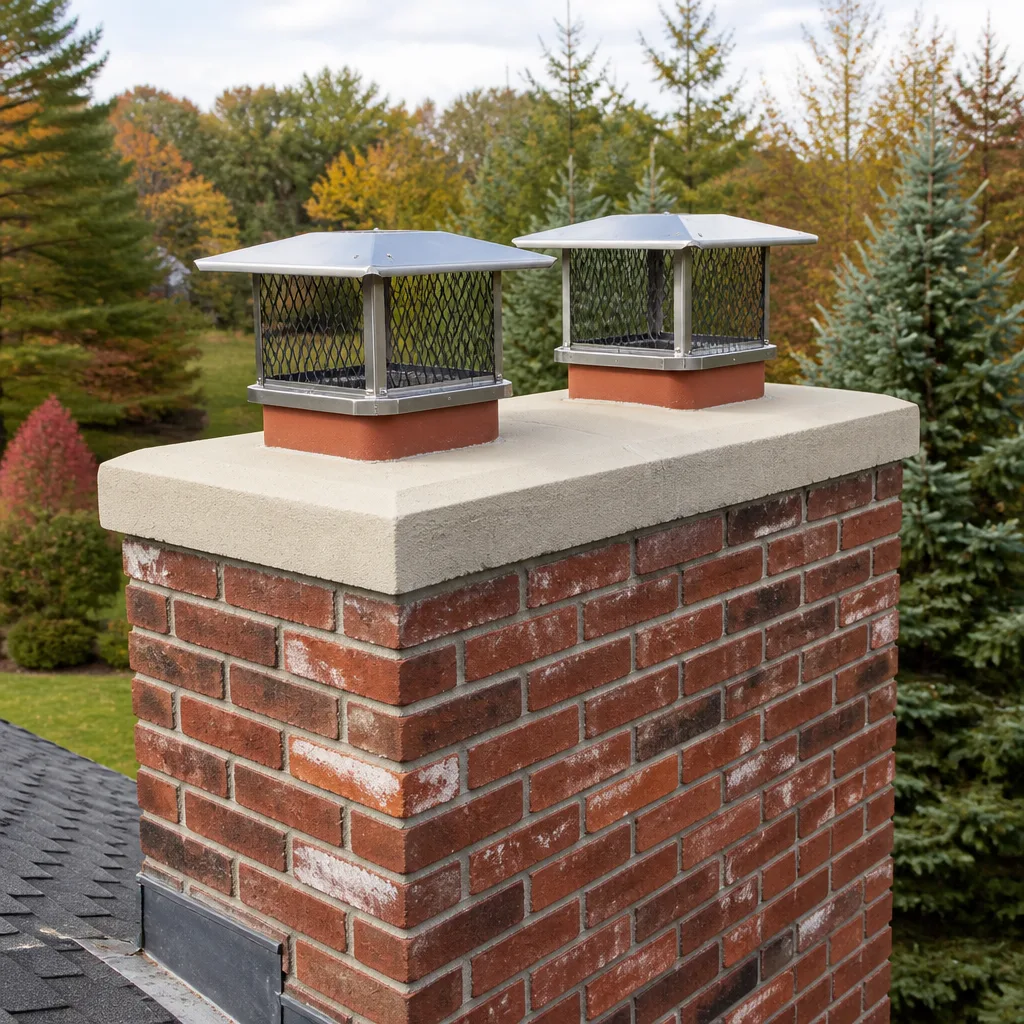 Caps & crowns
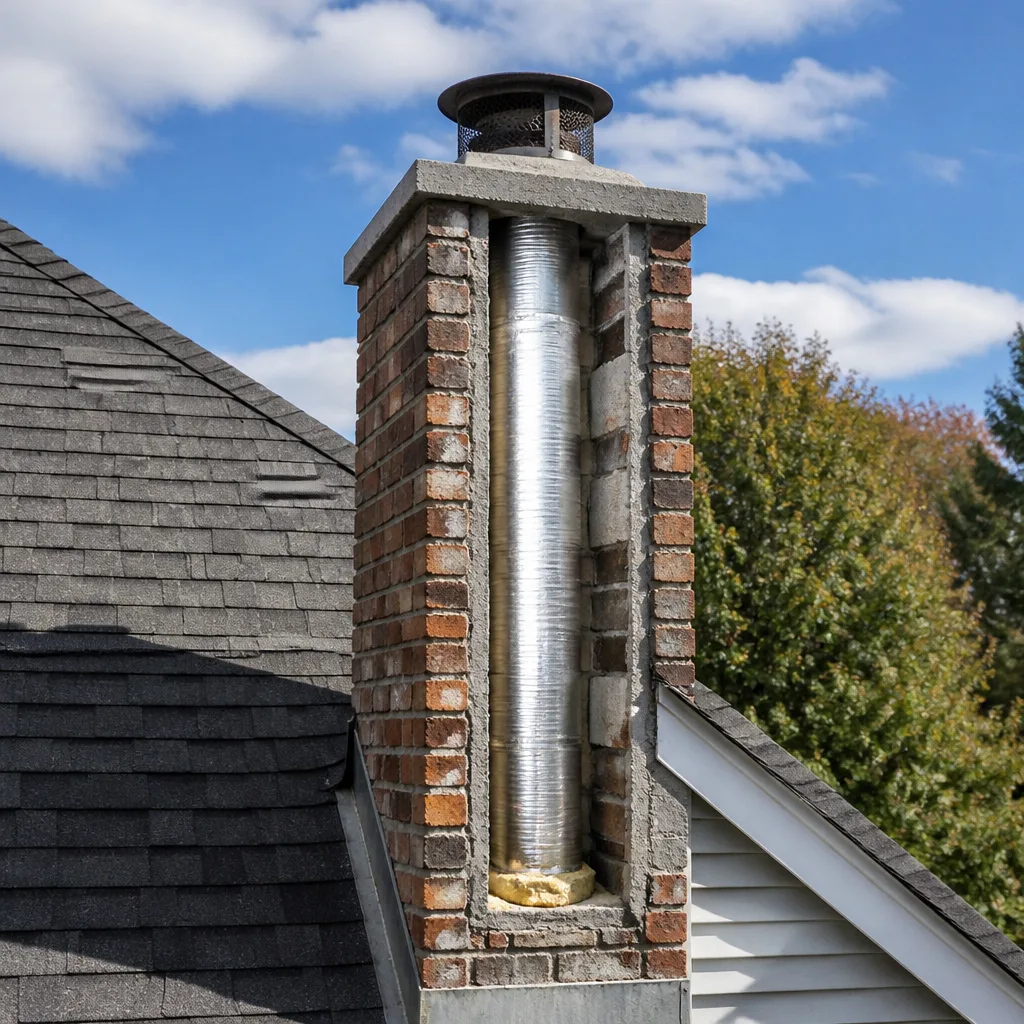 Flue relining
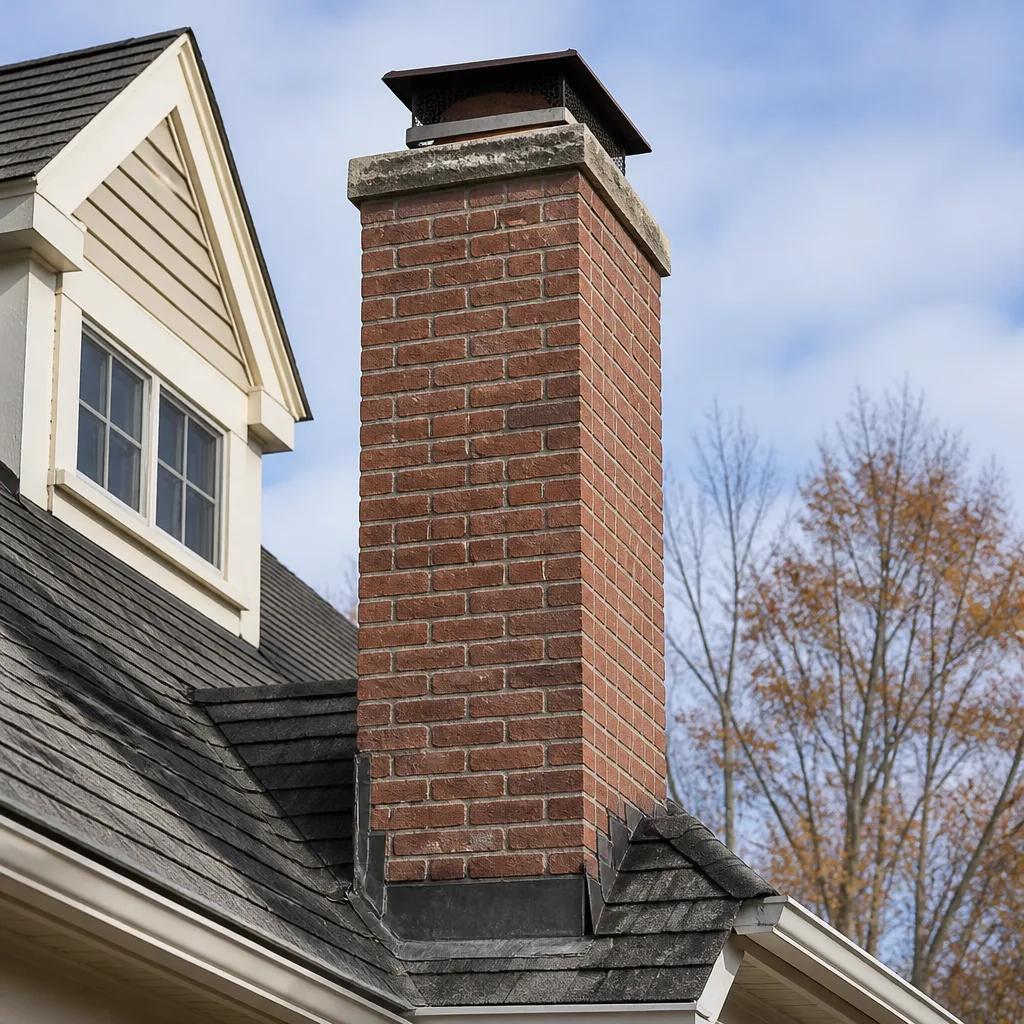 Masonry repair
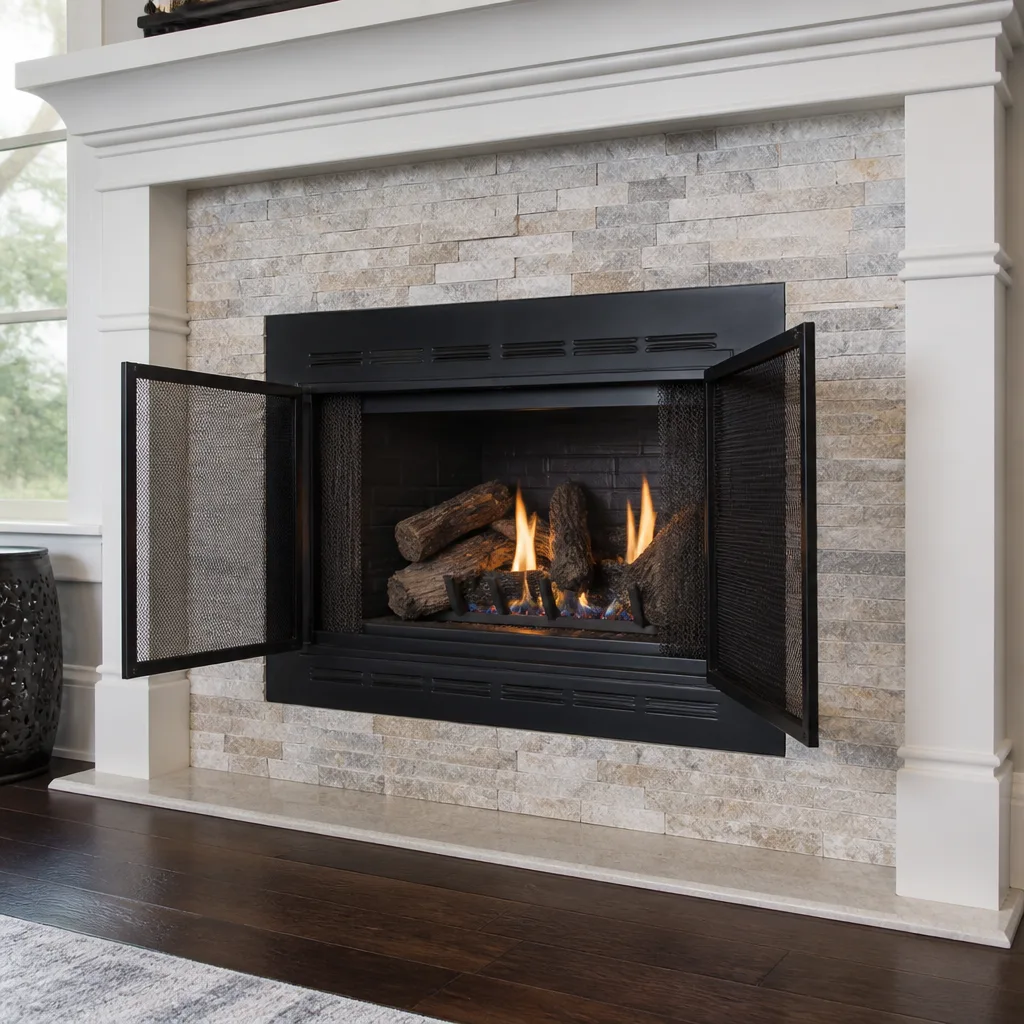 Gas fireplace service
Level 1 sweep and inspection to the NFPA 211 annual standard - flue, crown, cap, and flashing checked and photographed
Chimney sweep logs do not sweep chimneys. They loosen some creosote - which then falls where a brush and vacuum still have to collect it.
Chimney Sweep Maintenance Checklist for Donelson Homeowners
Most homeowners treat a chimney sweep like an oil change: it happens when it happens, and nothing about it is written down. That’s the mistake. The paperwork a sweep leaves behind is often the most useful document you own when you sell a house, file an insurance claim, or push back on a repair bill that sounds bigger than it should be. Tennessee home inspectors flag chimney issues in roughly 1 in 3 resale inspections, and most of those problems were visible for two or more heating seasons before anyone recorded them. This guide is a checklist built around what a sweep actually documents, with notes specific to Donelson’s masonry chimneys, its freeze-thaw winters, and its spring storm season.
Quick Answer
A chimney maintenance checklist for a Donelson homeowner has three jobs: schedule a professional cleaning and inspection once a year, observe and photograph the parts you can safely see from the ground and the firebox, and log every visit in a dated, itemized record. The cleaning itself takes a trained technician a short visit. Keeping the record is what protects you down the line. Sweeping, inspection, cap and crown work, and repairs all matter, but none of it counts for much if there’s no paper trail.
Styles & brands we work with
- Sweep & inspection
- Caps & crowns
- Flue relining
- Masonry repair
- Gas fireplace service
Table of Contents
- What Should You Document After Every Chimney Sweep?
- What Can You Check From the Ground Versus What Needs a Camera?
- How Do You Track Creosote Between Professional Cleanings?
- Cap, Crown, and Flashing Checkpoints for Donelson Storms
- How to Keep a Chimney Log a Buyer’s Inspector Will Trust
- When Should the Annual Sweep Happen in Donelson?
- What Conditions Move a Chimney From Check-Up to Repair?
- Common Mistakes to Avoid
What Should You Document After Every Chimney Sweep?
After every professional cleaning, you should have photos of the firebox, the smoke chamber, and the crown, plus a written summary of what the technician saw and what they recommend. Ask for those images before the technician packs up. A text or email you can save beats a verbal rundown you’ll forget by spring.
The photos matter because they’re timestamped. When an insurance adjuster asks whether a crack was pre-existing, or a buyer’s inspector claims the chimney has “clearly been neglected for years,” a dated image of the smoke chamber from two seasons earlier settles the question. Verbal promises don’t.
Here’s what a complete record should include after each visit:
- Firebox photos showing the firebrick faces and any visible cracks or gaps in the mortar joints.
- Smoke chamber photos looking up past the damper, where creosote and glaze collect.
- Crown photos from the roof, covering the top surface and the overhang where water runs off.
- A written summary noting the level of creosote found, the sweep method used, and anything the technician flagged for watching.
- The date and the technician’s name on the summary, so it holds up as a service record.
When we handle a chimney sweep, we photograph those areas and note the findings so the record is built into the visit, not an afterthought. If something needs attention, we explain what we found and why it matters before anything else happens.
What Can You Check From the Ground Versus What Needs a Camera?
From ground level, a homeowner can safely observe the exterior masonry, the mortar joints, the crown, the cap, and the flashing where the chimney meets the roof. What you can’t see without a camera is the inside of the flue, the smoke chamber, and the hidden sections behind the damper. Those are where the serious problems usually hide.
Walk the exterior of your Donelson chimney once a season and look for these conditions. None of them require climbing or touching anything:
- Mortar joints that look recessed, sandy, or crumbly, especially on the south and west faces that take the most sun and rain cycling.
- Spalling brick where the face has popped or flaked off, which usually points to moisture getting in and freezing.
- A crown with visible cracks wider than a hairline, or a crown that has pulled away from the flue tile.
- Rust streaks or staining on the exterior, which often means the cap or flashing is letting water through.
- A cap that’s loose, missing, or bent, or one that’s letting birds and debris in.
- Flashing pulling away from the roof or showing gaps where it’s sealed.
What a camera inspection reveals is different: the condition of the flue liner from the inside, glaze levels in the smoke chamber, hidden cracks behind the damper, and any offsets or gaps in the flue that a ground-level look can’t reach. That’s why the annual visit includes a camera inspection, not just a climb on the roof. The Chimney Sweep Donelson approach is to sweep and inspect in the same visit, so the inside gets looked at with a camera and the find is documented, not guessed at. Donelson’s older brick homes often have flues that were built without a modern liner, and those are exactly the cases a camera catches and a ground-level walk never does.
How Do You Track Creosote Between Professional Cleanings?
You can track creosote between professional cleanings using a simple method: a hand mirror and a flashlight, held at the firebox opening with the damper open, looking up at the smoke chamber and the first few feet of flue. You’re looking for shiny, tar-like buildup or a dark glaze, not the soft soot that brushes away. Never put your head or hands inside the flue, and never try to reach in with a tool.
Creosote forms in three stages. Soft, flaky soot is the first. Crumbly, hardened deposits are the second. Glazed, tar-like creosote is the third, and that’s the one that causes chimney fires. A mirror-and-flashlight check tells you which stage you’re in. If you see the shiny glaze, stop using the fireplace and call for a sweep before the next fire. Don’t scrape it yourself; the glaze is bonded to the flue and prying at it can damage the liner.
A simple creosote-tracking routine looks like this:
- Check before the first fire of the season and every couple of weeks during heating months.
- Look at the pattern: soft soot on the firebox walls is normal; tar-glaze on the smoke chamber means it’s time to sweep.
- Note the burn habits: a smoky fire, damp wood, or a closed damper quickly builds more creosote.
- Log the check with the date and what you saw, even if it’s just “soft soot, normal.”
- Call when the glaze appears, not after the next season.
With a mirror and a flashlight you catch that shift early. The difference between a routine sweep and a fireplace repair job often comes down to whether the buildup was caught in time.
Cap, Crown, and Flashing Checkpoints for Donelson Storms
Donelson sits where Tennessee’s spring storm season and winter freeze-thaw cycle meet, and those conditions are hard on the top of a chimney. The checkpoints that matter most are the cap, the crown, and the flashing, because they’re the parts that keep water out and they take the most abuse from weather. Inspect them before spring storms, after any freeze, and again before heating season starts.
What to check on each:
- Cap: It should be firmly attached, cover the flue opening, and keep out rain, birds, and debris. A generic hardware-store cap often doesn’t fit a masonry flue properly or rusts out in a few seasons. A cap from a dedicated manufacturer like Gelco or Famco fits the flue it’s made for and holds up to the freeze-thaw cycle without warping.
- Crown: The top surface should slope away from the flue and be free of cracks. A cracked crown lets water into the masonry, which then freezes, expands, and spalls the brick below. Cracks wider than a hairline are a repair flag.
- Flashing: The metal where the chimney meets the roof should sit tight against the masonry and the roof surface with a continuous seal. Gaps, lifts, or crumbling sealant mean water is getting in behind the flashing and into the roof deck.
Those three checkpoints are the top of the chimney. The rest of the chimney cap & crown work is about making repairs that last through the next storm, not patching for a season. In Donelson, a roof check after any storm that brings down branches or visible wind damage is the practical time to compare what you saw last time to what’s there now. Because caps and crowns come from dedicated manufacturers, the fit and the material match the chimney rather than being improvised.
How to Keep a Chimney Log a Buyer’s Inspector Will Trust
A chimney log a future buyer’s inspector will trust has four traits: it’s dated, itemized, photo-backed, and consistent from one visit to the next. A shoebox of receipts doesn’t cut it. A folder with a photo from each visit, the condition noted, and a service summary you can hand over is what holds up when someone questions the chimney’s history.
Here’s how to build it:
- Use one folder, physical or digital, and keep every visit in it, from sweeping to repairs.
- Name each photo by date (for example, firebox 11-2025). Don’t trust the phone’s gallery order.
- Record four things on each summary: what was done, what was found, what level of creosote, and what was recommended.
- Note who did the work and whether they were a chimney specialist or a generalist.
- Keep the inspection report separate from the cleaning notes, so both are easy to find.
- Review the folder before you list the house, so anything missing can be caught while you can still get it.
An insurance adjuster handles a claim the same way: they want a documented history, not a story. When the record shows regular cleaning and inspection from a specialist, that conversation goes differently than when the chimney has never been on paper. Because we handle the full chimney, from firebox to cap, the same company that inspects also repairs, so the log doesn’t have to stitch together four different contractors’ notes. A repair with a dedicated manufacturer’s material, like Copperfield or Olympia Chimney, gets noted in the same folder as the annual sweep. One inspection, one company, one point of accountability. That’s what a buyer’s inspector is looking at.
When Should the Annual Sweep Happen in Donelson?
The annual sweep should happen before heating season starts in Donelson, ideally in the late summer or early fall, so the flue is clean going into the first fire and any repair gets done before cold weather. A second look after the heating season closes out is worth it if you burned a lot of wood or had any smoky fires.
The rhythm makes sense for how Donelson homes actually heat. Wood-burning fireplaces get heavy use from late fall through early spring, and a flue that’s swept before the season starts carries the creosote load of one full winter. Gas inserts run year-round on some thermostats, and they still need inspection, because the venting can clog with debris or corrode just from use. Leaving a sweep until the middle of winter means either sweeping on a cold, smoky day or sweeping a flue that’s already glazed. Neither is ideal.
One safety note for the record: high-tension springs don’t exist on a fireplace, but the flue is still a component you shouldn’t mess with. Once you can see glazed creosote or heavy buildup with a mirror, the next step is a professional sweep, not a DIY attempt. Creosote fires are a real hazard, and the only safe way to remove glaze from a flue is with a professional cleaning and an inspection that documents what was removed.
A practical schedule for Donelson heating looks like this:
- Late summer: sweep, camera inspection, and a photo record.
- After the first big storm: exterior check on cap, crown, and flashing.
- Midseason: mirror-and-flashlight check for glaze.
- End of winter: note any smoky fires or performance issues, and schedule a look if anything looked off.
Those four touchpoints are what keeps a chimney on schedule and on record, and they match how a qualified sweep approaches the job.
What Conditions Move a Chimney From Check-Up to Repair?
Conditions that move a chimney from a routine check-up to repair are missing mortar, a cracked crown, a failed flue liner, and water getting into the masonry. Those aren’t cosmetic. Once a liner fails, the flue can’t safely contain heat and gases, and that’s a repair that can’t wait.
Here’s what to watch for, and what each one points to:
- Missing or recessed mortar joints: water is getting in, and freeze-thaw will keep widening the gaps.
- Spalling brick: the brick is failing from moisture, which usually also points to worn mortar and a crown that’s not shedding water.
- A cracked or detached crown: the top of the chimney is letting water into the flue and the masonry below.
- Glazed creosote in the smoke chamber: the chimney has been running hot and smoky, and a cleaning is overdue.
- Rust streaks inside or on the cap: moisture is coming in through the top.
- Damaged flue tiles or a gap in the liner: the flue can’t contain gases or heat properly, and the liner needs repair or replacement.
Not every one of those needs a full rebuild. A damaged liner can sometimes be restored with HeatShield, a ceramic resurfacing method that rebuilds the inside of the flue rather than replacing it, and that keeps a chimney working without a full reliner cost. A flue that’s compromised but not beyond repair can be restored that way; a flue that’s too far gone needs a new liner. The right call depends on what the camera shows, not on a guess from the ground.
None of this moves forward without you seeing the evidence. We explain what we find and why it matters before we do anything, and we’ll say plainly when a repair can safely wait. If a crack is stable and the liner is intact, a watch-and-recheck note goes in the log instead of a repair. That’s the honest version, and it’s the one a buyer’s inspector will trust more than a long list of urgent work.
Common Mistakes to Avoid
- Not asking for photos after the sweep. A verbal “it looked fine” doesn’t survive a resale inspection or an insurance claim. Ask for the firebox, smoke chamber, and crown images before the technician leaves.
- Assuming a ground-level look is enough. A walk around the outside can’t see the flue or the smoke chamber. Donelson’s older brick homes often have hidden liner issues that only a camera catches.
- Letting glazed creosote build up between visits. Soft soot is normal; the shiny glaze is a fire hazard. Catching it with a mirror and flashlight before the next fire prevents a bigger repair later.
- Skipping the post-storm check. Donelson’s spring storms and freeze-thaw cycles are hard on caps, crowns, and flashing. A quick check after a storm catches a lifted flashing before water gets into the roof deck.
- Keeping a shoebox of receipts instead of a log. An inspector or adjuster wants a dated, itemized record with photos and a service summary. Receipts alone don’t show what was found or what level of creosote was noted.
- Hiring a generalist for a specialist job. A handyman who sweeps chimneys on the side may miss a liner issue a chimney-only company catches in the same visit. That’s not a knock on handymen; it’s about what gets documented.
- Treating a crown crack as cosmetic. A cracked crown lets water into the masonry, and freeze-thaw makes it worse each winter. It’s a repair flag, not a “someday” item.
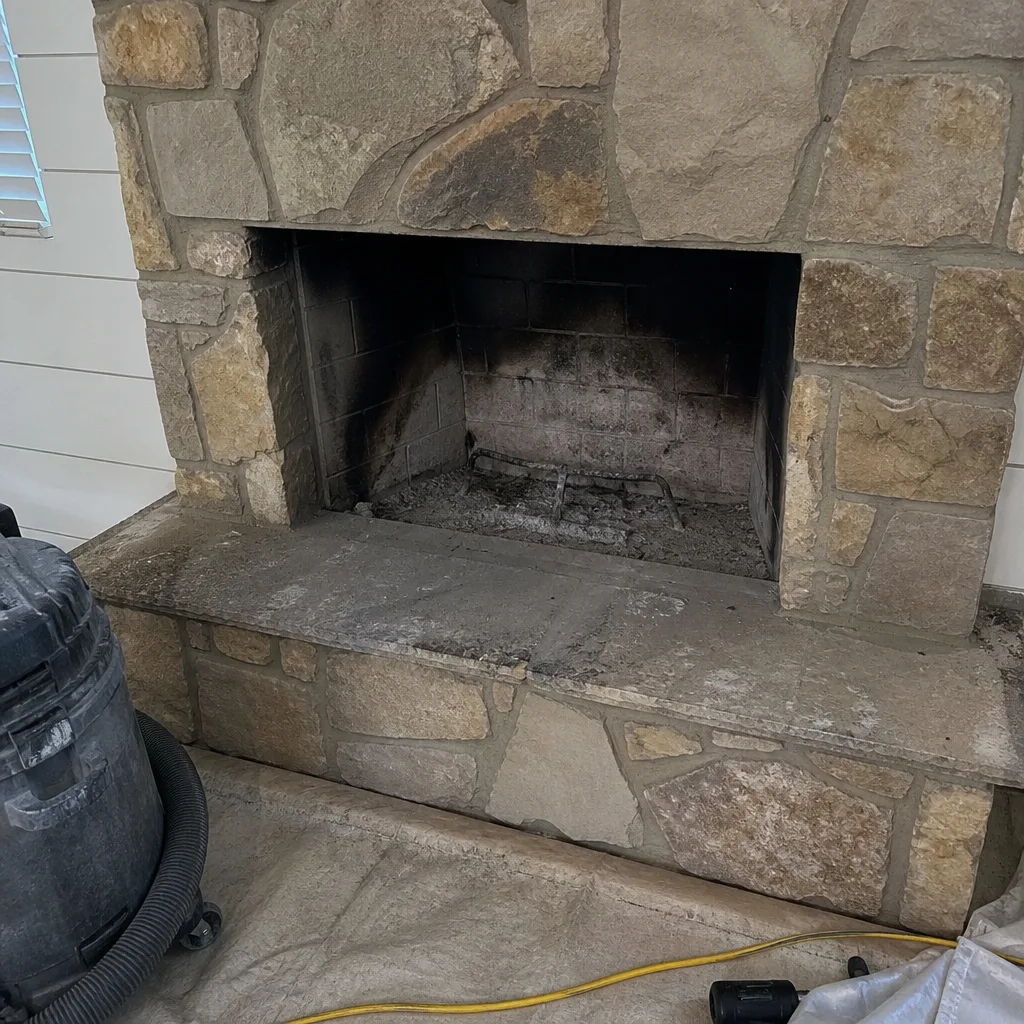
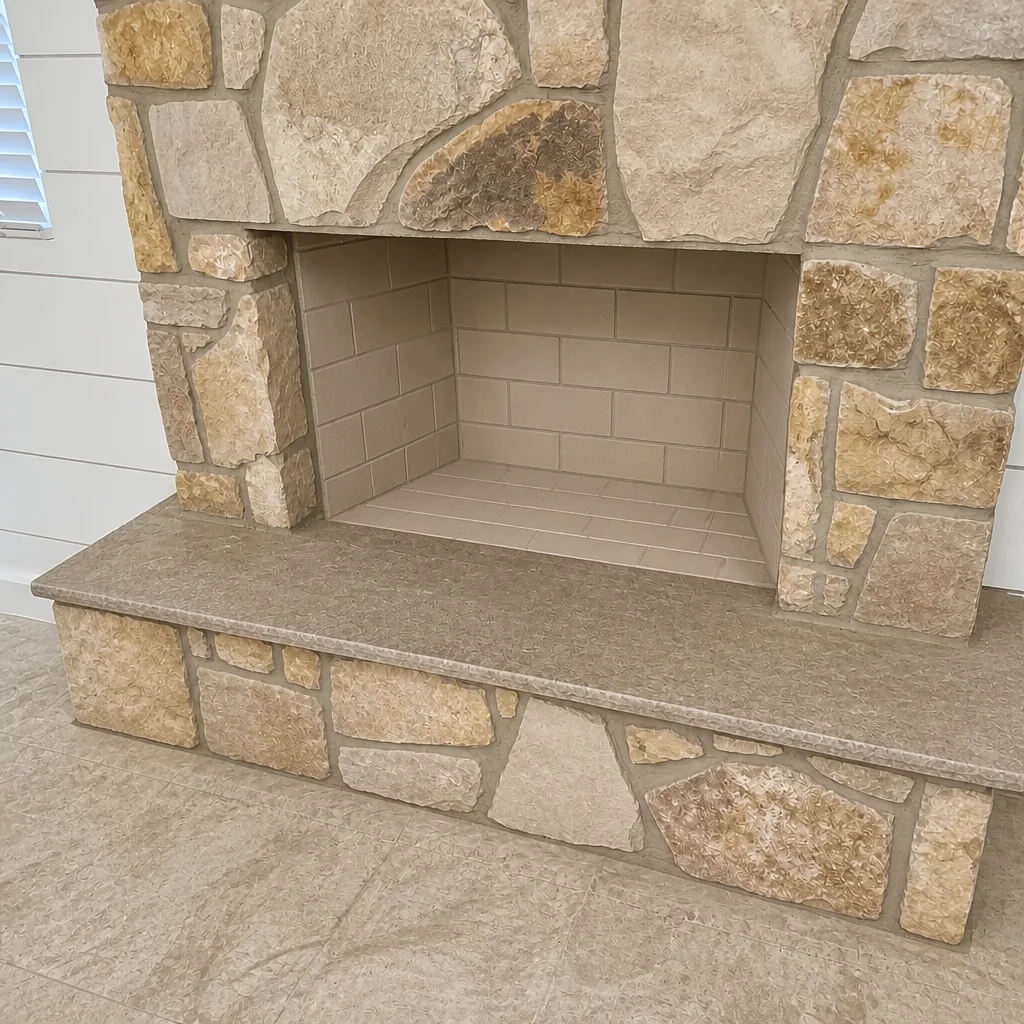
See the difference
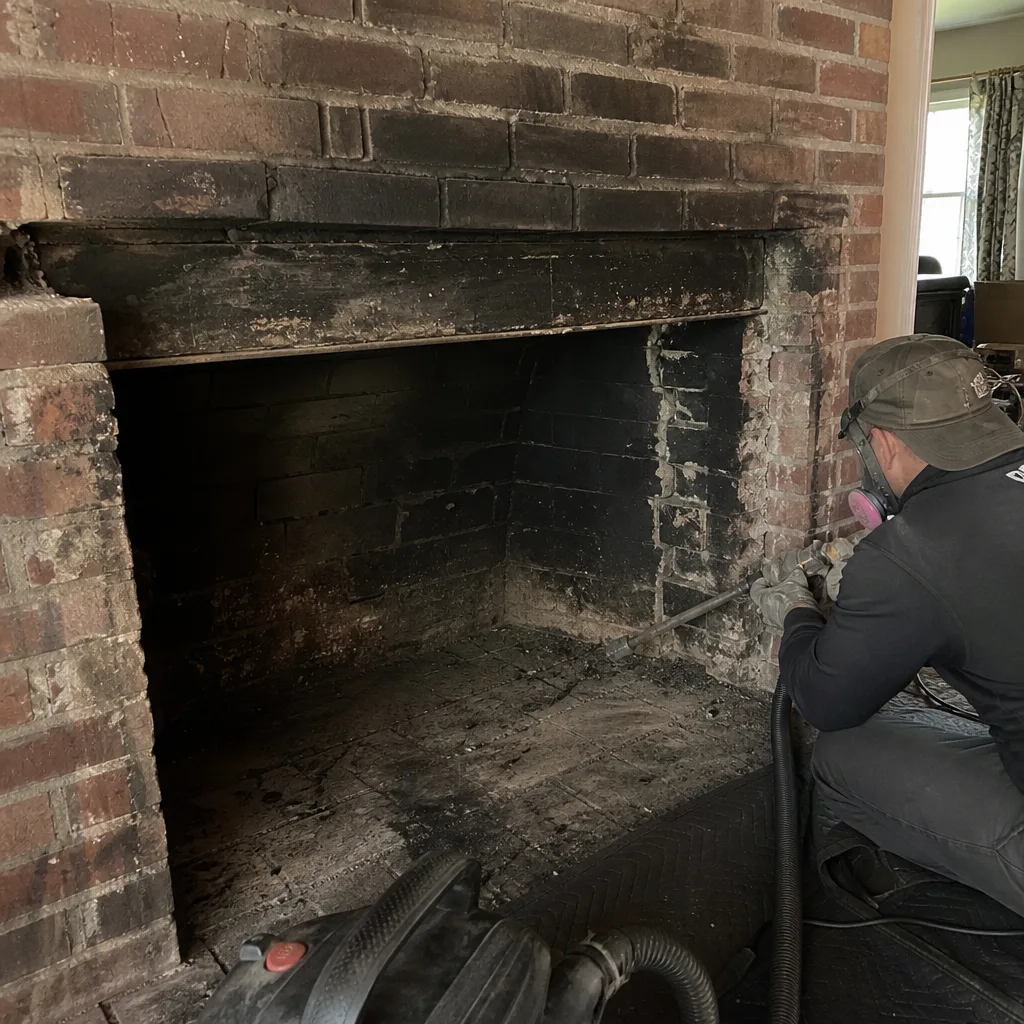 Before
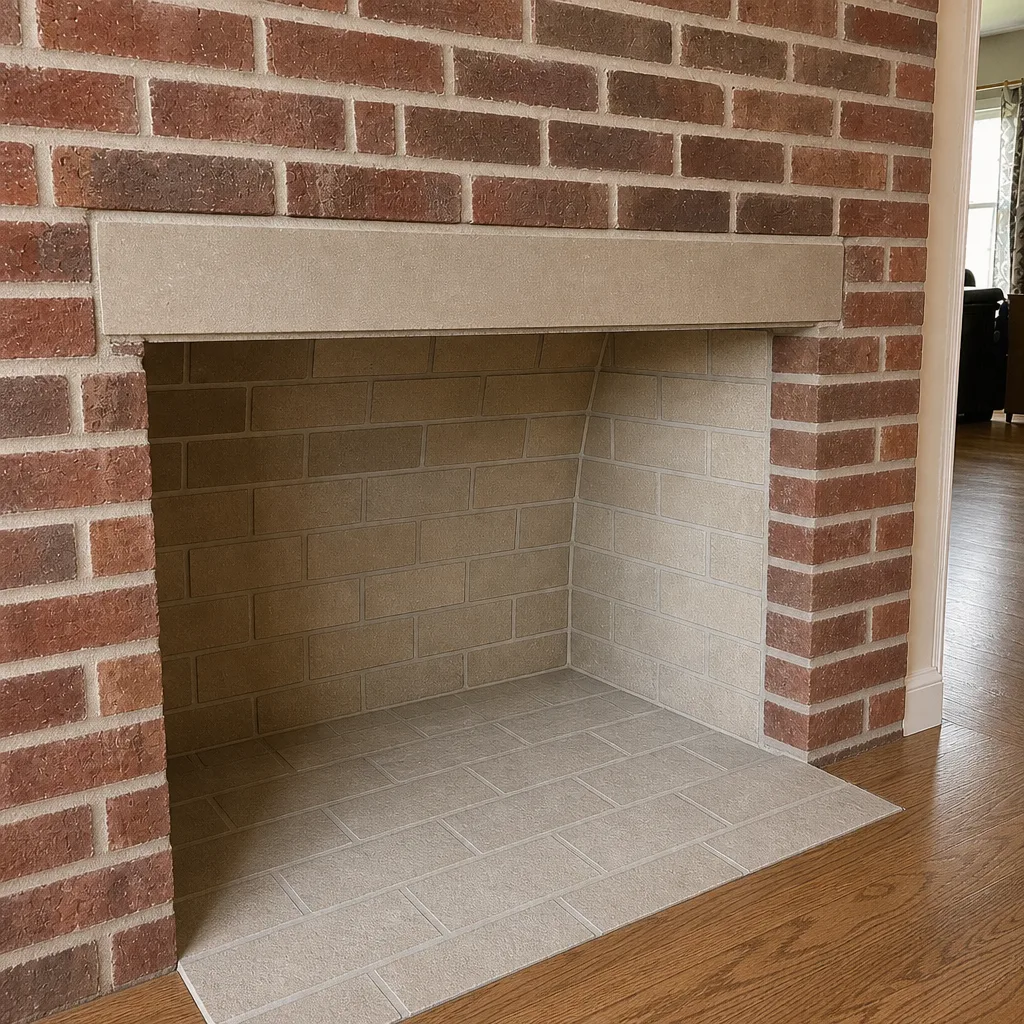 After
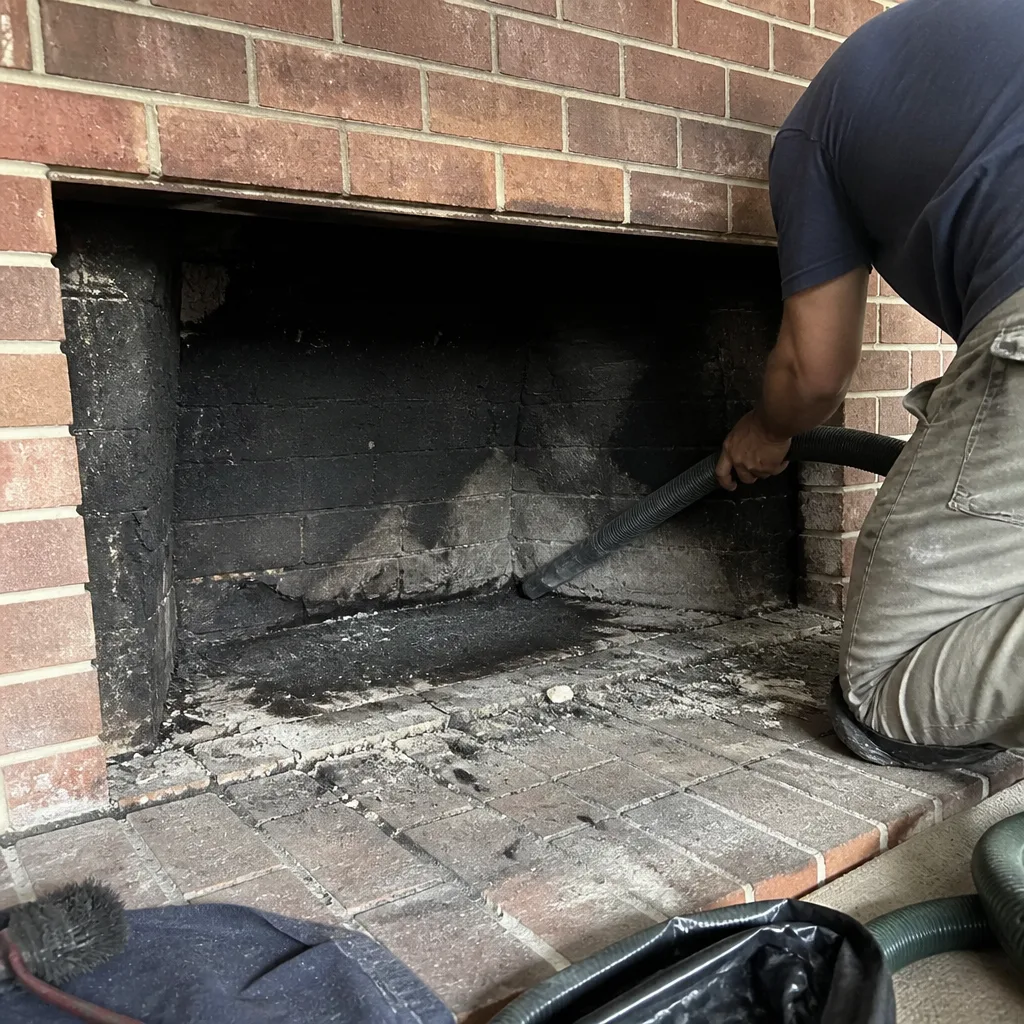 Before
 After
 Before
 After
When to Call a Professional
Call a professional when you see glazed creosote, when mortar joints are recessed or brick is spalling, when the crown is cracked or the cap is loose, or when you’re selling a home and want a documented chimney history. Call if you haven’t had the chimney swept in the last year, or if you’ve had a smoky fire and aren’t sure the flue is clear. Call if water is getting in, or if you see rust streaks inside the firebox.
Chimney Sweep Donelson offers free estimates in Donelson. We work with materials from HeatShield, Gelco, Famco, and Olympia Chimney, and we handle the full chimney, from the firebox to the cap, so the inspection and any repair stay with one company. The technicians have up to 8 years of experience, and they document what they find so it goes into your log. Call (855) 337-0795. We answer 24/7. Fast dispatch from 7am to 7pm, Sunday through Friday.
Frequently Asked Questions
A wood-burning chimney in Donelson should be swept once a year, before heating season, and more often if you burn a lot of wood or notice a smoky fire. Gas inserts and masonry chimneys that see year-round use still need an annual inspection. A sweep that includes a camera inspection catches liner issues a ground-level look can’t. Call (855) 337-0795 for an exact quote; estimates are free.
Keep photos of the firebox, smoke chamber, and crown, plus a written summary of the creosote level found and any recommendations. Save it in one folder where a future buyer’s inspector or insurance adjuster can find it. The photo dates are what make the record credible. Call us if you want a documented visit that gives you those images.
You can safely check the exterior from the ground and peek at the smoke chamber with a mirror and flashlight at the firebox opening, with the damper open. Look for glazed creosote, cracked mortar, a spalling brick face, a cracked crown, or a loose cap. Don’t reach inside the flue or try to remove buildup yourself. When you see glaze or a liner concern, that’s the call point. Call (855) 337-0795 for a professional look.
If a storm loosens the cap or cracks the crown, get it documented right away and schedule a repair before the next rain cycle. A lifted cap or cracked crown lets water into the flue and the masonry, and freeze-thaw makes it worse. Cap and crown work from dedicated manufacturers fits the flue properly and holds up. Call for a free estimate and we’ll look and explain what’s needed.
Sometimes yes, and we’ll say plainly when a repair can safely wait. A stable crack with an intact liner can go in the log as a watch-and-recheck note; a failed liner or a water-intake problem can’t. Nothing gets recommended without camera evidence you can see. Call (855) 337-0795 and we’ll tell you what the photos show.
Yes, with a few changes. A gas insert still needs an annual inspection, and the venting needs checking for debris and corrosion even though there’s no creosote. The cap and crown checkpoints still apply. Log the visit the same way: date, what was done, what was found, and photos. Call if you’re not sure what the last visit covered.
The Bottom Line
A chimney maintenance checklist is less about cleaning and more about record-keeping. The annual sweep protects the chimney; the dated, photo-backed log protects you when a buyer’s inspector, an insurance adjuster, or a contractor asks what the chimney has been through. In Donelson, the parts that need the most watching are the ones the weather hits hardest: the cap, the crown, and the flashing. Sweep before heating season, check the exterior after storms, track creosote between visits, and keep a log a stranger can read. That record is what a professional joins together for you, and it’s what makes the next chapter of your chimney’s history verifiable.
Call (855) 337-0795 for a free estimate. We answer 24/7. Fast dispatch from 7am to 7pm, Sunday through Friday.
Written by the team at Chimney Sweep Donelson.