
Last updated November 24, 2026
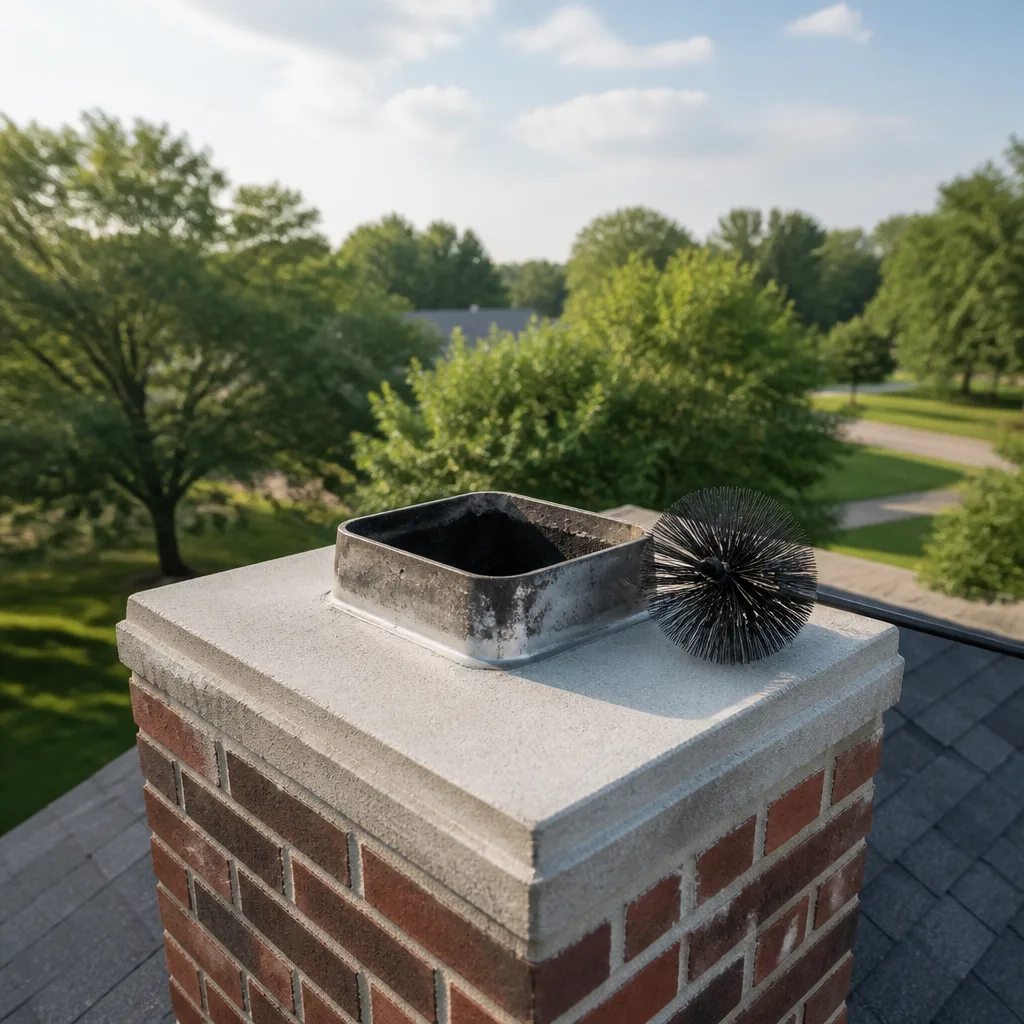 Sweep & inspection
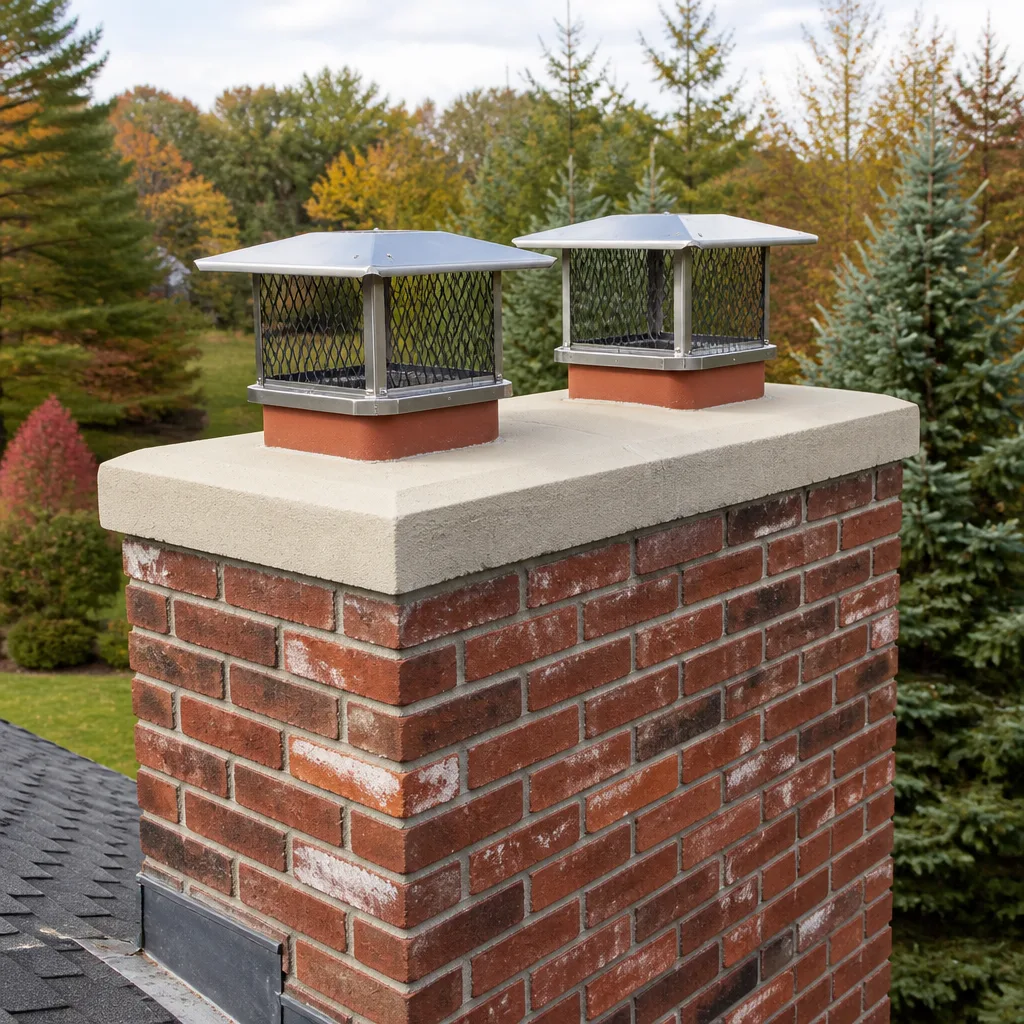 Caps & crowns
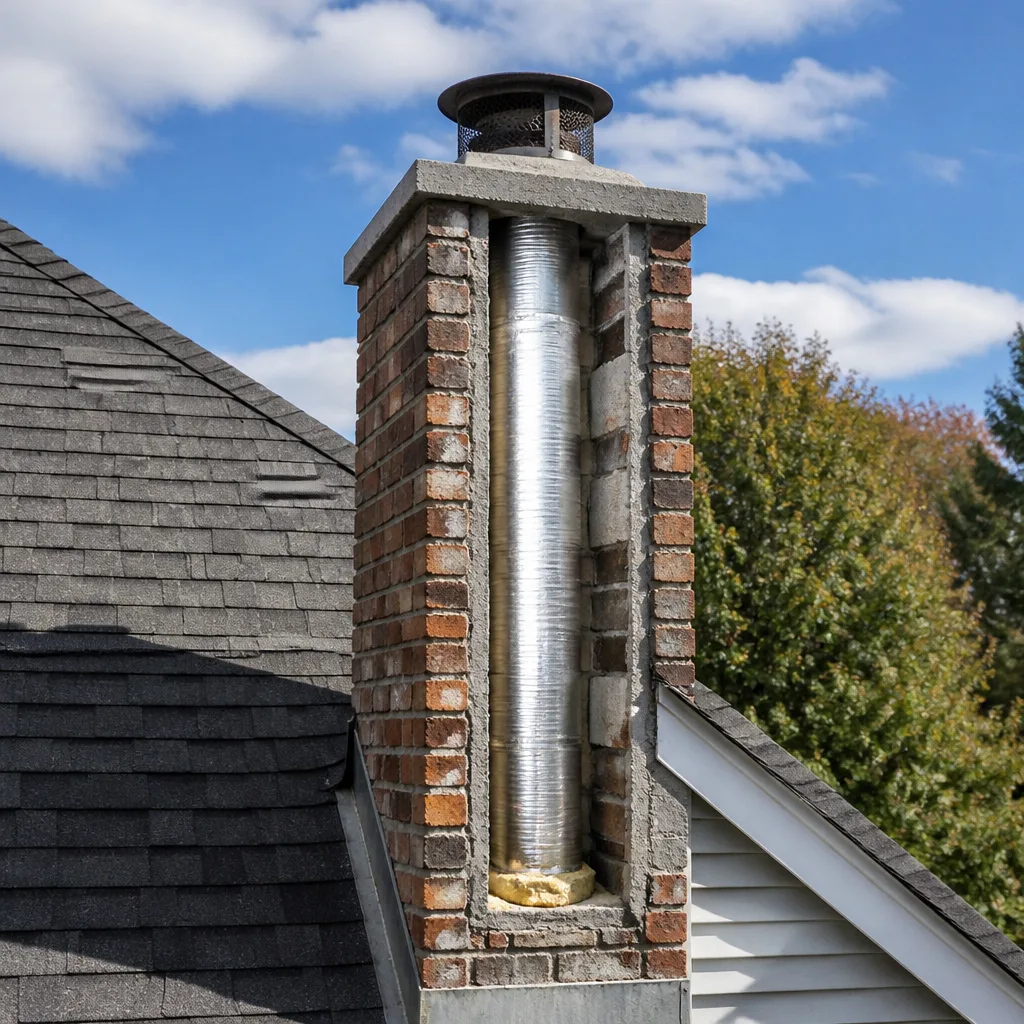 Flue relining
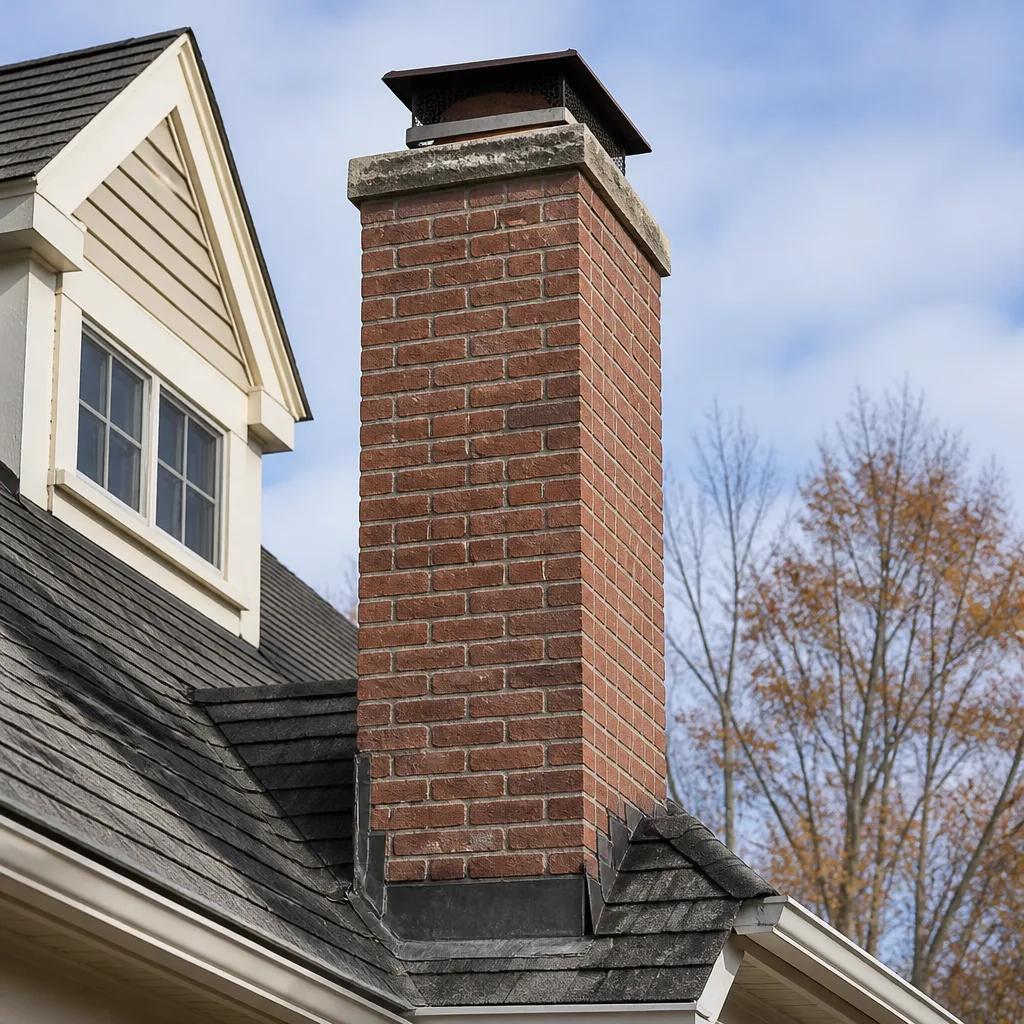 Masonry repair
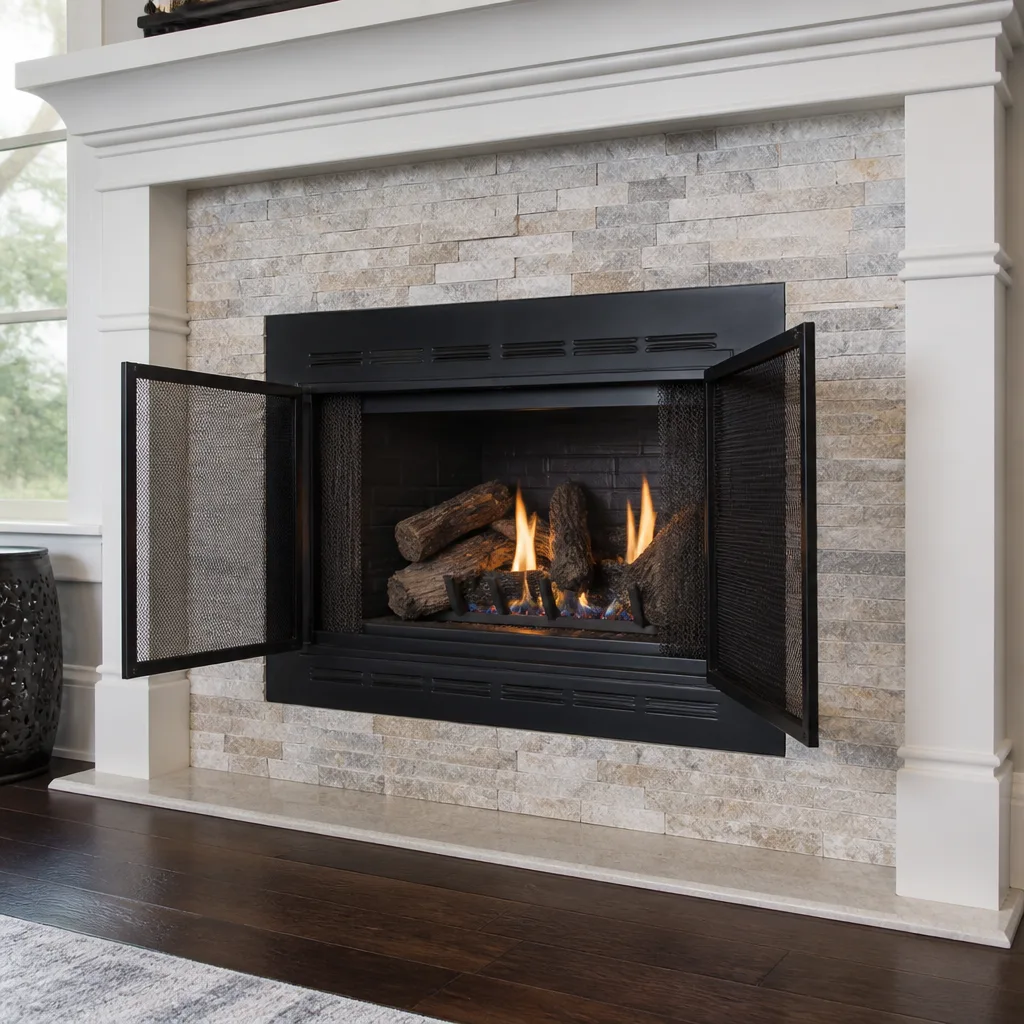 Gas fireplace service
Level 1 sweep and inspection to the NFPA 211 annual standard - flue, crown, cap, and flashing checked and photographed
Chimney sweep logs do not sweep chimneys. They loosen some creosote - which then falls where a brush and vacuum still have to collect it.
Chimney Cleaning Warning Signs: A Donelson Homeowner’s Reference Guide
A white stain on exterior brick isn’t just an aesthetic issue. It’s efflorescence, and it means water is moving through your masonry. That’s useful information. Knowing whether the source is a cracked crown, failed flashing, or porous mortar joints is what determines the fix. Most warning-sign articles list symptoms without explaining the failure mechanism, so a homeowner can’t tell a cosmetic issue from an urgent safety condition. This guide ties each visible sign to the specific problem it indicates and what happens if it’s ignored for a season. You’ll learn what to monitor yourself, what warrants a call, and how to read a Donelson chimney the way a sweep does.
Quick Answer
The warning signs that matter most are water infiltration through the crown or flashing, heavy creosote buildup, a smoky or backdrafting fireplace, and animal intrusion in the flue. Cosmetic staining and minor surface rust can often wait a season. Structural water damage, glaze-stage creosote, and any change in how the fireplace drafts warrant a professional inspection before the next fire in Donelson. The single most reliable signal is a change from how your chimney behaved last season.
Styles & brands we work with
- Sweep & inspection
- Caps & crowns
- Flue relining
- Masonry repair
- Gas fireplace service
Table of Contents
- The Sign-to-Cause-to-Consequence Matrix
- Water Stains, Efflorescence, and Rust: Reading What the Masonry Tells You
- Why Is My Fireplace Smoky? Six Causes and How to Tell Them Apart
- Sounds, Smells, and Airflow Clues That Point to Creosote or Animals
- Draft Problems, Backdrafts, and What They Reveal About Your Flue
- What to Watch Over One Season vs. What to Call About Now
- What a Chimney Inspection Actually Checks
- How Donelson’s Climate and Housing Shape These Problems
The Sign-to-Cause-to-Consequence Matrix
The fastest way to read your chimney is to map each visible or behavioral sign to the condition behind it and the realistic outcome of waiting. That’s the whole point of monitoring: not to diagnose yourself, but to know which problems have a fuse and which don’t.
- White chalky staining on brick indicates efflorescence from water moving through masonry. One season of delay might mean repointing; several seasons can mean spalling brick and a crown rebuild.
- Brown or rust-colored streaks below the crown point to a cracked crown or failed flashing. Delay lets water reach the smoke chamber and interior framing.
- Black, glassy creosote on the flue wall indicates glaze-stage creosote from a hot, restricted burn. That’s a chimney fire waiting to happen, not a cosmetic issue.
- Smoke rolling into the room indicates a draft or pressure problem, sometimes a flue sizing or installation issue. It’s rarely just “needs a sweep.”
- Rust on the firebox or damper points to ongoing moisture. Rust means water is already inside the system, not that it might be soon.
- Scratching or chirping in the flue signals animal intrusion. Nests and carcasses block the flue and create both fire and carbon monoxide risk.
- Loose or missing mortar in the firebox points to heat damage or moisture. The firebox is where fire meets structure, so this one moves to the front of the line.
Stand outside and look at the chimney from the yard in Donelson before you look at anything inside. A chimney that sheds its crown cap or has visibly loose flashing will fail the water test before it ever shows a symptom in the firebox. What we handle as a full-spectrum chimney company is that whole chain: the flue, the firebox, the crown, the cap. You can start with chimney sweep service and a full inspection, and the same visit tells you whether repair belongs on the list.
Water Stains, Efflorescence, and Rust: Reading What the Masonry Tells You
The most useful distinction in chimney warning signs is between surface deposits and deep saturation. Surface deposits sit on the brick and wipe away. Deep saturation is inside the brick, and it doesn’t wipe off because it processes through over months.
How to tell them apart
- Look at the color. Efflorescence is white and powdery. Saturation stains are often dark gray or brown and continue into mortar joints.
- Check whether the stain returns after a dry spell. Surface dust stays gone. Efflorescence regrows because water is still moving through.
- Press gently at a mortar joint with a fingernail. Soft, sandy mortar means ongoing water and a repointing job ahead.
- Look for spalling, where brick faces flake off. Once face spalling starts, cosmetic staining is no longer the main concern.
- Check the flashing and crown from the yard. A crack in the crown or a pulled flashing is a specific cause with a specific fix.
The three causes that matter most: a cracked crown, failed flashing where the chimney meets the roof, and porous or deteriorated mortar joints. Each lets water in at a different point, and each has a different repair. A chimney cap & crown that’s properly sized and seated blocks the first and third of those sources. We install caps and crowns from dedicated manufacturers like Gelco and Copperfield because a hardware-store cap sized loosely to the flue doesn’t stop wind-driven rain. It just looks like it will.
Vinegar dissolves efflorescence, which is why some homeowners try a kitchen remedy. The residue will be gone in a day and back in a month if the water source is unaddressed. The point isn’t the stain. The point is what the stain tells you about a water path that also runs past the smoke chamber and into wood framing. Inside, look for rusted damper hardware, damp soot in the firebox, or a musty smell during humid weeks. Any of those three is a reason to have a Donelson sweep look at the whole system, not just the flue.
Why Is My Fireplace Smoky? Six Causes and How to Tell Them Apart
“My fireplace smokes” is the single most common call we get, and it’s the sign with the most possible causes. A homeowner who can sort those into cleaning issues, draft problems, and installation errors has already done half the diagnosis.
Cleaning issues
- Creosote buildup restricting the flue. The fire draws through a smaller opening; smoke spills. This one is directly resolved by sweeping.
- Soot buildup on the smoke shelf. A ledge of soot blocks the turn into the flue and pushes smoke into the room.
- A blocked cap or bird screen. Mesh clogs with soot or nests. Airflow drops and the fire can’t exhaust.
Structural draft problems
- Flue too short or under-sized. The flue has to be tall enough and sized to the fireplace opening. When it isn’t, smoke has nowhere to go.
- Negative pressure in the house. A tight house, a nearby exhaust fan, or a furnace drawing air can out-draft the fireplace. You’ll notice this by whether the fireplace smokes with the kitchen fan on and not otherwise.
- Deteriorated flue liner with gaps or cracks. The draft leaks out and turbulence builds. This needs inspection before any fire.
Installation or operation issues
Other causes are as simple as a cold flue at the first light of the season, a firebox door open during a burn, or a damper not fully opened. Those resolve themselves. The important skill is recognizing which of the six you’re looking at. When smoke spills on start-up only and then settles, cleaning or a cold flue is the likely cause. When smoke rolls back continuously regardless of the fire, it’s structural draft or an installation problem. That second case is not something a homeowner can fix by buying a different log.
If the fireplace smokes only in Donelson’s windier fall months, that’s a draft and pressure problem, not creosote. If it smokes in still weather, the flue is the first suspect. Our technicians have up to 8 years of experience and can read the exhaust pattern of your fireplace as one of the first things they check.
Sounds, Smells, and Airflow Clues That Point to Creosote or Animals
Two of the most consequential conditions in a chimney produce their first warning signs with your ears and nose, not your eyes. Listening and smelling before you see a problem is what catches a chimney fire risk or animal intrusion earlier.
What creosote buildup announces before you see it
- A tighter, smaller, less enthusiastic fire than last season. Restricted draft starves the fire.
- Smoke smell inside the house on a cold morning even when nothing’s burning. Air is squeezing back down the flue.
- A duller, flatter sound when you tap the inside wall near the smoke chamber. Thick creosote muffles the ring.
- A dark, glossy sheen visible when you look up the flue with a flashlight. Glaze-stage creosote is the stage that supports a chimney fire.
What animal intrusion sounds like
- Scratching, flapping, or chirping from the flue or above the damper, most often in the cooler weeks before and during the heating season.
- A bird or squirrel smell in the firebox, distinct from ordinary soot smell.
- A dryer sheet tucked into the firebox drawing nesting material during a routine inspection. It happens.
Animal intrusion is one of the worst signs for a home in Donelson because it usually comes with two problems: a blocked flue and a damaged or missing cap. A cap designed to keep out rain and animals from the start is what closes that risk. We install caps from manufacturers that make dedicated chimney caps, and a loose or worn cap is one of the most straightforward upgrades in this trade. You’ll find our inspection team works through the whole system on any visit.
Airflow clues in the house
If you notice smoke puffing from the firebox when the range hood or clothes dryer turns on, or the ashy smell moving through the vent after a hot bath, the exhaust balance of the house is changing. That’s not a reason to panic. It’s a reason to mention it during an inspection, because pressure problems are diagnosed with that exact observation.
Draft Problems, Backdrafts, and What They Reveal About Your Flue
A draft problem is any condition where the chimney doesn’t exhaust reliably. Backdraft is the dramatic version: smoke comes down and into the room. Both come from one of a few causes, and the cause determines the fix.
- Too short a flue. The general rule is that a chimney should extend at least a few feet above the highest point of the roofline to draw properly. A flue that’s too short for the fireplace’s size will backdraft in gusty weather.
- Flue opening too large for the firebox opening. Classic draft sizing mismatch, usually from an original installation error or a firebox that was resized at some point.
- House pressure imbalance. Tight construction, a furnace or dryer drawing air, or a kitchen exhaust can out-draft the fireplace. Modern houses in Donelson with newer windows often have this problem.
- Blocked or damaged flue. Creosote, nests, or a collapsed liner obstruct and the fire can’t push through.
- Damper out of position or broken. A damper that doesn’t fully open chokes the flue.
In our experience, backdraft is the sign most likely to be dismissed as “just a smoky fire.” That dismissal comes with a real consequence: continuous smoke into the living space carries combustion particles into the room, and a chronic backdraft over a season is worth investigating before it becomes the shorthand explanation for every fire.
What to note before calling
- Does it smoke at first light, then settle? Note it.
- Does it backdraft with a fan on, and not otherwise? Note it.
- Does the draft fail mostly in certain weather, like gusty days? Note it.
- Does it smoke regardless of anything else, consistently, every fire? That’s the urgent version.
For a documented problem, an inspection rather than a sweep is the first step. A sweep cleans. An inspection finds the cause. When we look at a draft problem, we bring the same expertise to a full chimney: cap, crown, firebox, and flue. If a liner issue shows up, the lining system we work with from DuraFlex is part of the same visit, not a referral to someone else.
What to Watch Over One Season vs. What to Call About Now
Not every warning sign is a call. Some are a note for next fall. The distinction protects homeowners from paying for repairs a seasonal inspection would catch anyway, and it protects the household from ignoring a sign that isn’t cosmetic.
Reasonable to monitor over one season
- Minor surface oxidation on a cap (it may still be doing its job).
- A thin white bloom of efflorescence that wipes off cleanly and doesn’t return until late in the season.
- Slight smoke on first lighting of the season when the flue is cold.
- A small amount of soot dust around the firebox after a lot of burning.
- An ashy smell when the house is closed up, if you’ve burned heavily and haven’t swept.
Reason to schedule before the next fire
- Dark glossy creosote visible up the flue.
- Smoke rolling into the room consistently, not just at start-up.
- Rust on damper hardware or the firebox walls.
- Visibly cracked chimney crown or pulled flashing, from the yard.
- Any sound, smell, or evidence of animal intrusion.
Reason for same-day attention
- A chimney fire, or a smell and sound suggesting one already happened.
- Actual fire, smoke, or soot appearing inside the room when the firebox is closed.
- Loose or fallen brick inside the firebox.
If the question is timing, we can answer it. We don’t recommend thousands of dollars in liner or masonry work without camera evidence you can see for yourself. When a repair can wait a season, we say so. And when the weather is the deciding factor, we’ll say that too. A sweep is booked before burning season, not because of an hourly urgency, but because the system should be checked before the first cold week that a fire gets lit in Donelson.
What a Chimney Inspection Actually Checks
A chimney cleaning warning-sign reading only works if the inspection is done with the right level of detail. The visible signs tell you when to inspect. They don’t tell you what inspection finds, and that gap is where most over-selling happens in this trade.
A standard inspection covers the following, at minimum:
- Firebox and internal masonry. Cracking, spalling, loose mortar joints, and signs of heat damage.
- Damper. Full opening and closing travel, rust, and seal condition.
- Smoke chamber. Buildup, offset, and whether the turn into the flue is clean.
- Flue liner. Camera view of lining integrity, gaps, and creosote staging. This is where most problems live.
- Crown and top seal. Cracks, wash-out, and whether the crown slopes to shed water.
- Cap and spark arrestor. Fit, condition, and whether screening has been blocked or blown off.
- Exterior masonry and flashing. Whether the brick shows evidence of moisture penetration from the roof or above.
We include camera inspection and a photo report with the work we do, because the homeowner should be able to see the same evidence the technician sees. That’s what makes the difference between “you need a liner” and “here is the liner, here is the crack, here is what happens if we don’t resurface it.” For cases where the liner is intact but the inner surface is deteriorated, a HeatShield ceramic resurfacing is sometimes the intermediate fix. That’s the repair-first path, and it can extend liner life without a full reline. Not every chimney qualifies. The inspection decides.
A sweep who only sweeps will clean the flue, note that it looks grimy, and move on. A chimney company that also does fireplace repair will read the whole system and tell you what should be done now, what can wait, and why. If you want the full picture on a single visit, that’s what we structure our inspections around. You can see the full range of work we handle on our Chimney Sweep Donelson homepage.
How Donelson’s Climate and Housing Shape These Problems
Chimneys in Donelson live with a specific set of seasonal and housing realities that shape which warning signs show up, and when. Humidity is the first factor. Summers here are warm and long, and the repeated wet-dry cycle drives water into masonry joints and out again. That cycle is what turns a hairline crown crack into a repointing job. It’s also why efflorescence is common on older brick chimneys around Donelson, especially those on houses where the crown has gone unchecked for a few seasons.
The second factor is the fuel mix. A lot of Donelson homes have wood-burning fireplaces alongside gas inserts or even gas log sets. Creosote forms at different rates under those two fuels, and the warning-sign reading changes with which one is in use. A gas insert with a wood-burning flue that hasn’t been swept still accumulates soot, and the flue sizing question changes if the fireplace was converted at some point. If you don’t know what was in the house before you moved in, an inspection answers that.
The third factor is housing age. Homes across Donelson and along the older residential streets in the area often have original masonry chimneys, sometimes with clay tile liners that have been in place for many seasons. Those liners are the ones most worth a camera look, because internal spalling is invisible from the ground and from the firebox. Brick spalling on the exterior is the visible sibling of the same process. When a homeowner spots it, our inspection covers internal and external masonry in one pass.
The fourth factor is wind and weather during the burning season. Donelson’s fall and winter bring gusty days, and those are the days when draft problems surface. A fireplace that drafts fine on a still night can backdraft on a gusty one. If your only evidence of a problem is that pattern, note it and mention it. The pattern is often what tells us whether we’re looking at house pressure or a flue sizing issue before anyone opens a tool bag.
Common Mistakes to Avoid
- Treating all warning signs as equal urgency. Cosmetic oxidation on a cap and glaze-stage creosote both look like “you need something,” but they have completely different consequences. Reading the cause first is what prevents both over-calling and under-calling.
- Judging water damage by the stain alone. A homeowner who wipes efflorescence clean and calls it handled has missed the point. The water path is what matters, and it’s found by looking at the crown, flashing, and mortar jointly.
- Burning a fire to “test” a smoky fireplace after a warning sign. A backdrafting fireplace tested with a real fire fills the room with smoke. Ask before lighting; the pattern is diagnosable from the description.
- Buying a hardware-store cap to solve a moisture problem. Off-the-shelf caps often sit loosely and shift in wind. A cap sized to the flue and installed properly does the moisture-and-animal job the generic cap was supposed to do.
- Assuming a sweep and an inspection are the same visit. They aren’t, and a cleaning-only crew sometimes sweeps past a liner problem. Ask what’s included before booking.
- Waiting until the first cold snap to book a Donelson sweep. The line builds before burning season, not during. A seasonal check is faster to schedule in early fall than after the first cold night.
- Replacing a firebox before diagnosing the crown. Repairing the firebox while water still enters from above is paying twice for the same problem in two years.
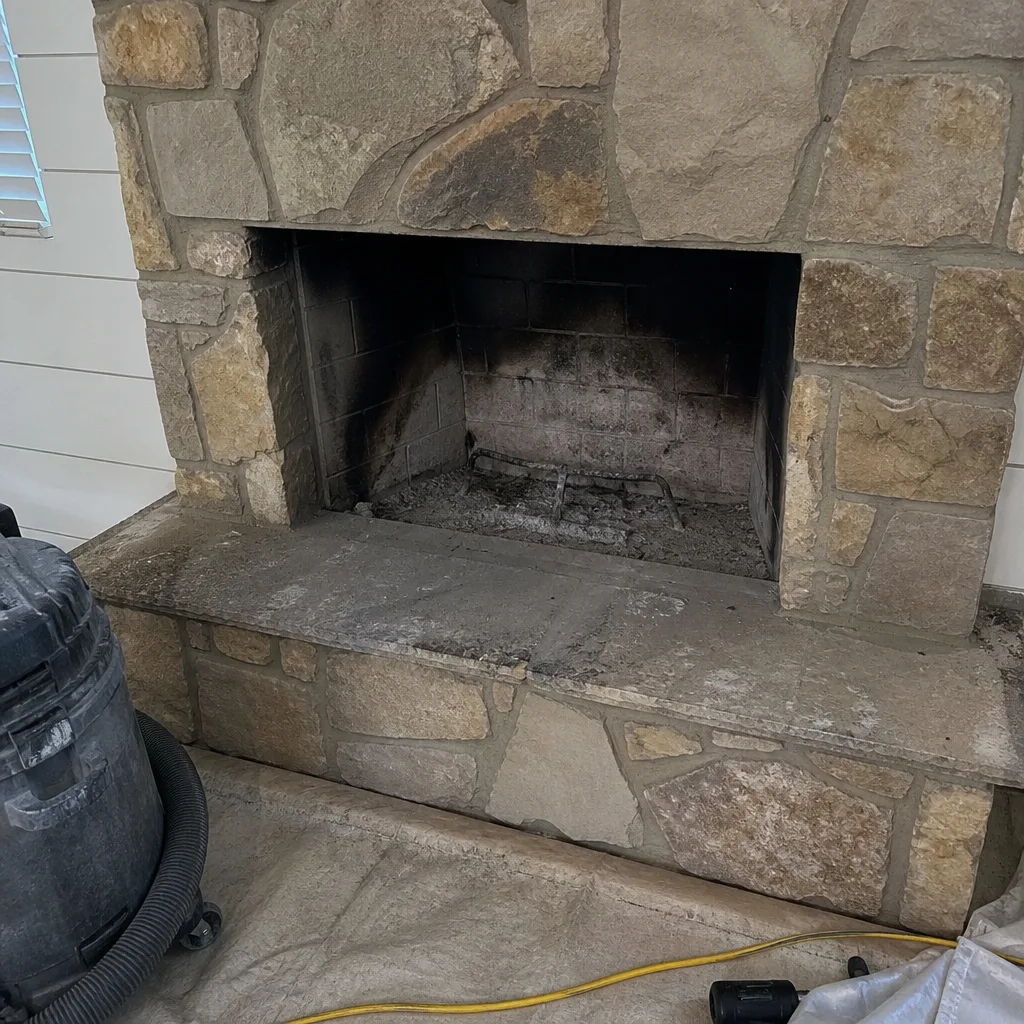
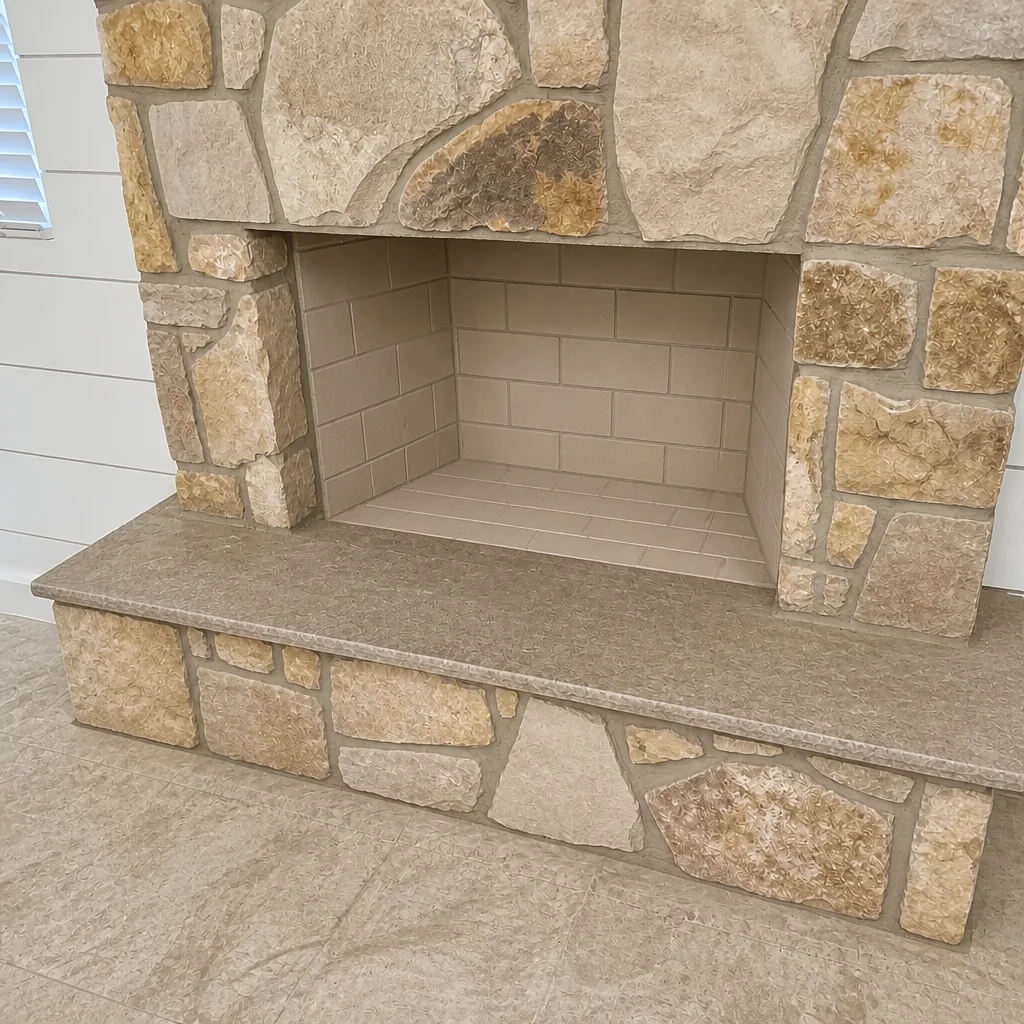
See the difference
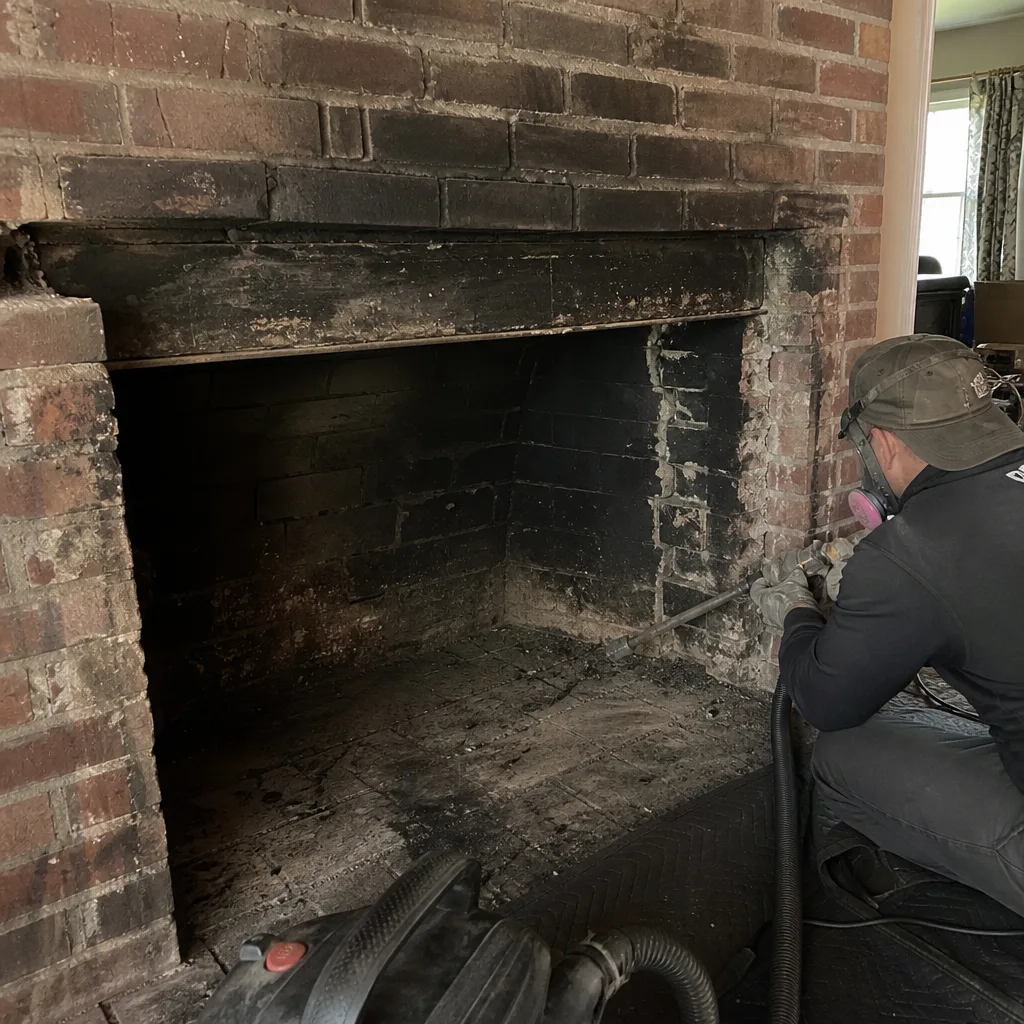 Before
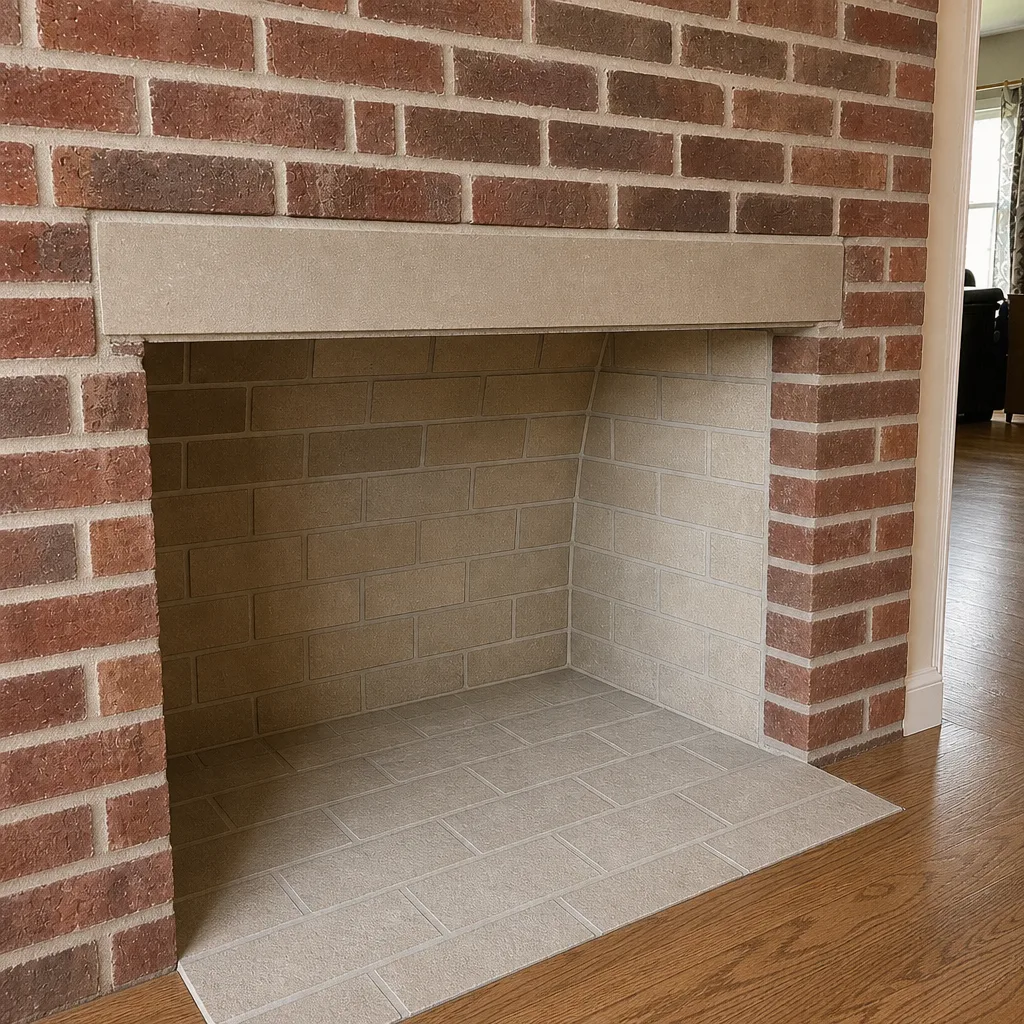 After
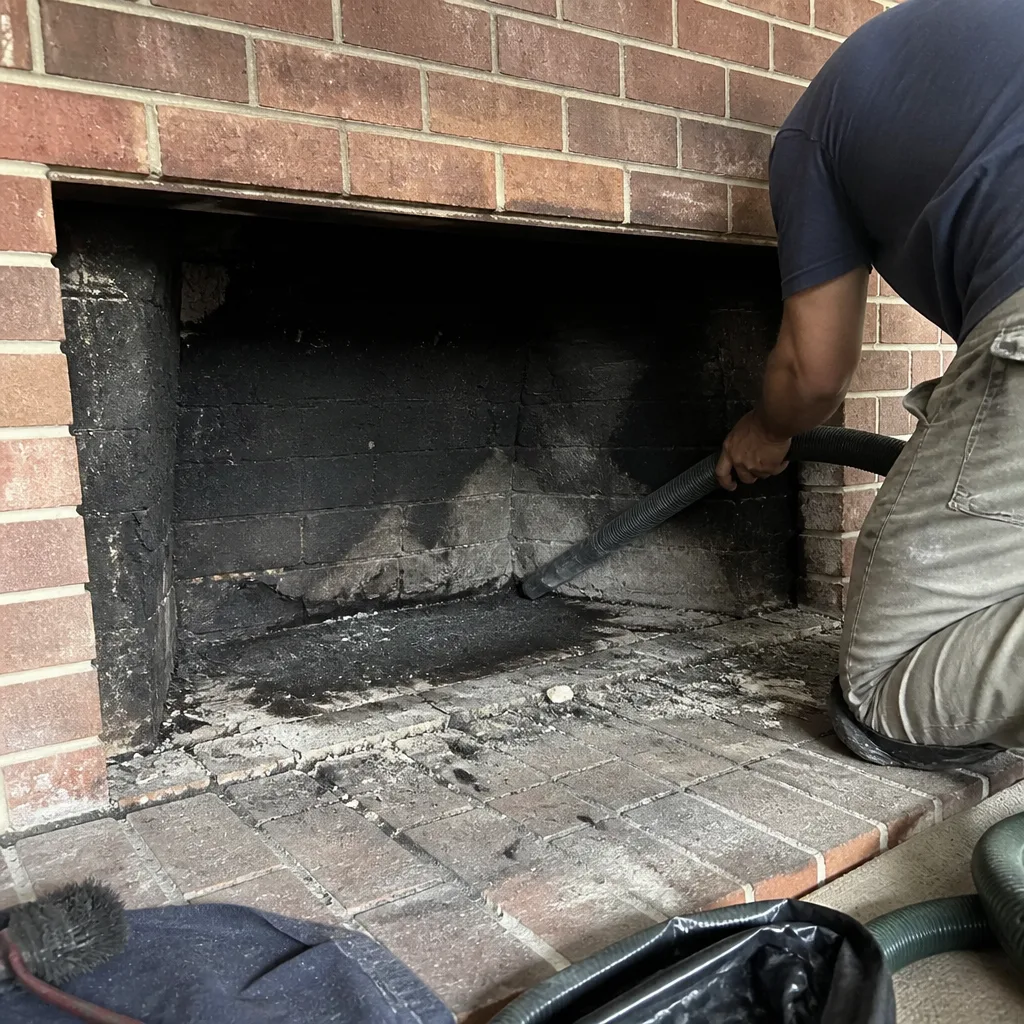 Before
 After
 Before
 After
When to Call a Professional
Call a professional chimney sweep in Donelson when any of the following applies: you see glaze-stage creosote up the flue; smoke rolls back into the room consistently; the chimney crown is cracked or flashing pulled; rust appears inside the firebox; you hear or smell an animal in the flue; loose brick turns up in the firebox; or the fireplace has never been inspected in your ownership. Those are the scenarios where a trained sweep, not a homeowner, should be the one to look. Garage-grade assumptions about an unseen flue are the wrong tool here. Our technicians have up to 8 years of experience and work across the flue, firebox, crown, and cap in a single visit. Same-day and next-day bookings are available around burning season, and our estimate is free. Call (855) 337-0795. We answer 24/7. Fast dispatch from 7am to 7pm, Sunday through Friday.
Frequently Asked Questions
Most wood-burning chimneys need sweeping at least once a year, and more often if you burn regularly through the season. The warning signs in this guide tell you when to sweep sooner. Call (855) 337-0795 for an exact quote. Estimates are free.
Not always. A deteriorated lining sometimes qualifies for HeatShield ceramic resurfacing instead of a full reline, which is a repair-first approach we’re equipped for. The decision is made from camera evidence you can see. Call (855) 337-0795 with your camera results and we’ll talk it through.
A small amount of additional creosote accumulates. If the flue was clean when the season started, this is often fine. If the flue was already carrying buildup, one more season moves a safe chimney toward a chimney-fire risk. The honest answer is: it depends what’s in the flue now, and that’s the reason to inspect. Call (855) 337-0795 for an inspection estimate. Estimates are free.
Glaze-stage creosote on the flue wall, a tighter and smaller fire than last season, or a strong smoke smell on cold mornings are the pre-fire signs to look for. If any of those are visible, book an inspection before the next fire. Call (855) 337-0795. We answer 24/7 with fast dispatch from 7am to 7pm, Sunday through Friday.
No. A smoky fireplace has at least six distinct causes: creosote buildup, soot on the smoke shelf, a blocked cap, a flue sized too short, house pressure imbalance, and a cracked or collapsed liner. The cleaning causes are solved by a sweep. The draft and liner causes need an inspection first. Call (855) 337-0795 and describe the pattern; the description often tells us which group it’s in.
A cracked crown can often be resurfaced or recast without tearing down the chimney, but the determining factor is whether water has already reached the interior masonry. A camera-based inspection tells you which repair fits. Call (855) 337-0795. We install caps and crowns from dedicated manufacturers and quote the repair on a written estimate.
Creosote itself is a fire risk more than a direct health risk, but a restricted or blocked flue raises carbon monoxide risk in the home. That’s the connection worth taking seriously. If you have a wood-burning appliance with a blocked or partially blocked flue and you also have a gas furnace or gas insert, get the whole system inspected. Call (855) 337-0795 with any concern. Estimates are free.
The Bottom Line
The most useful thing a Donelson homeowner can learn from this guide is the difference between a warning sign and a warning sign that matters this week. Efflorescence points to water, and the crown, flashing, and mortar decide the fix. A smoky fireplace has at least six causes, and only three of them are solved by cleaning. Creosote announces itself through the sound and smell of a declining fire before it ever shows in visible staging. Animal intrusion is a blocked-flue problem and a cap problem at the same time. The signs to call now are the ones tied to liner integrity, structural water damage, or a system you haven’t inspected since moving in. Those are the ones we handle, and when a repair can wait a season, we say so. Call (855) 337-0795 for a free estimate. We answer 24/7 with fast dispatch from 7am to 7pm, Sunday through Friday.
Written by the team at Chimney Sweep Donelson.