
Last updated November 24, 2026
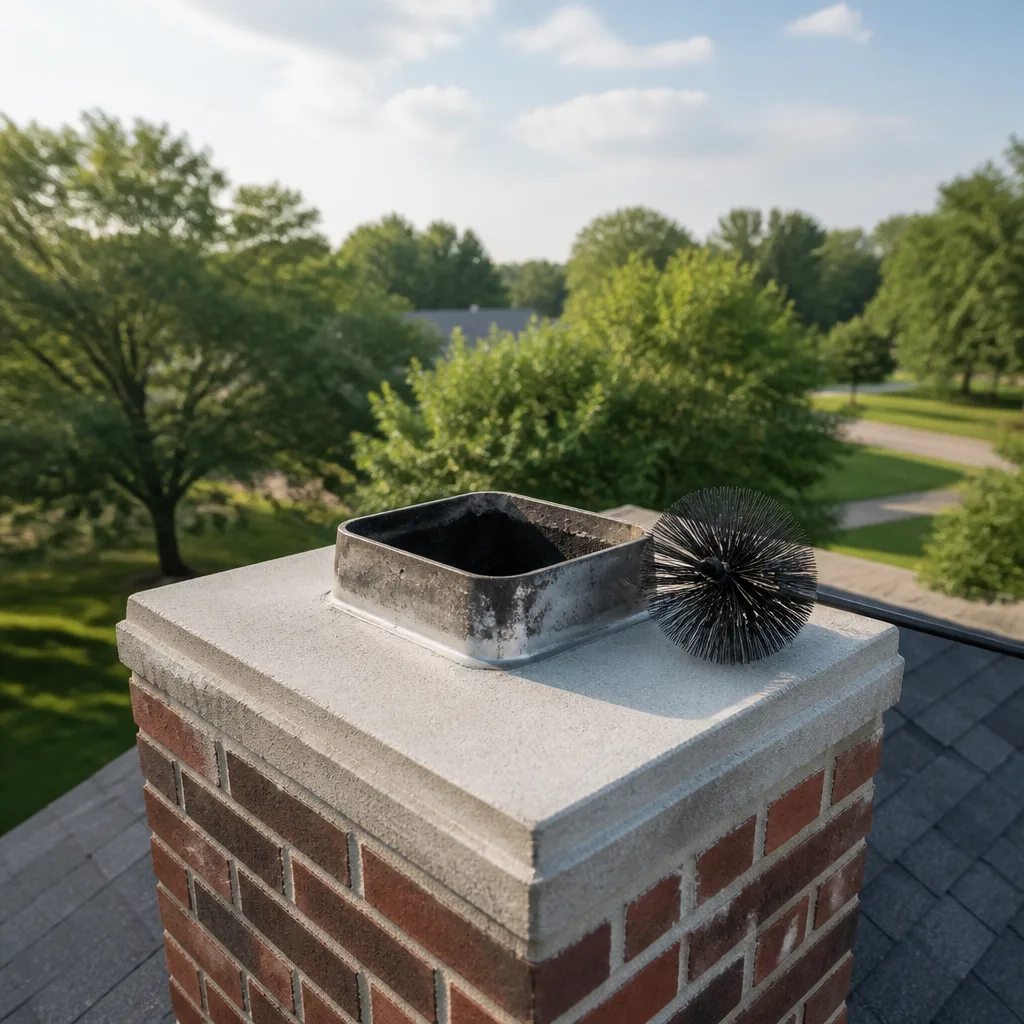 Sweep & inspection
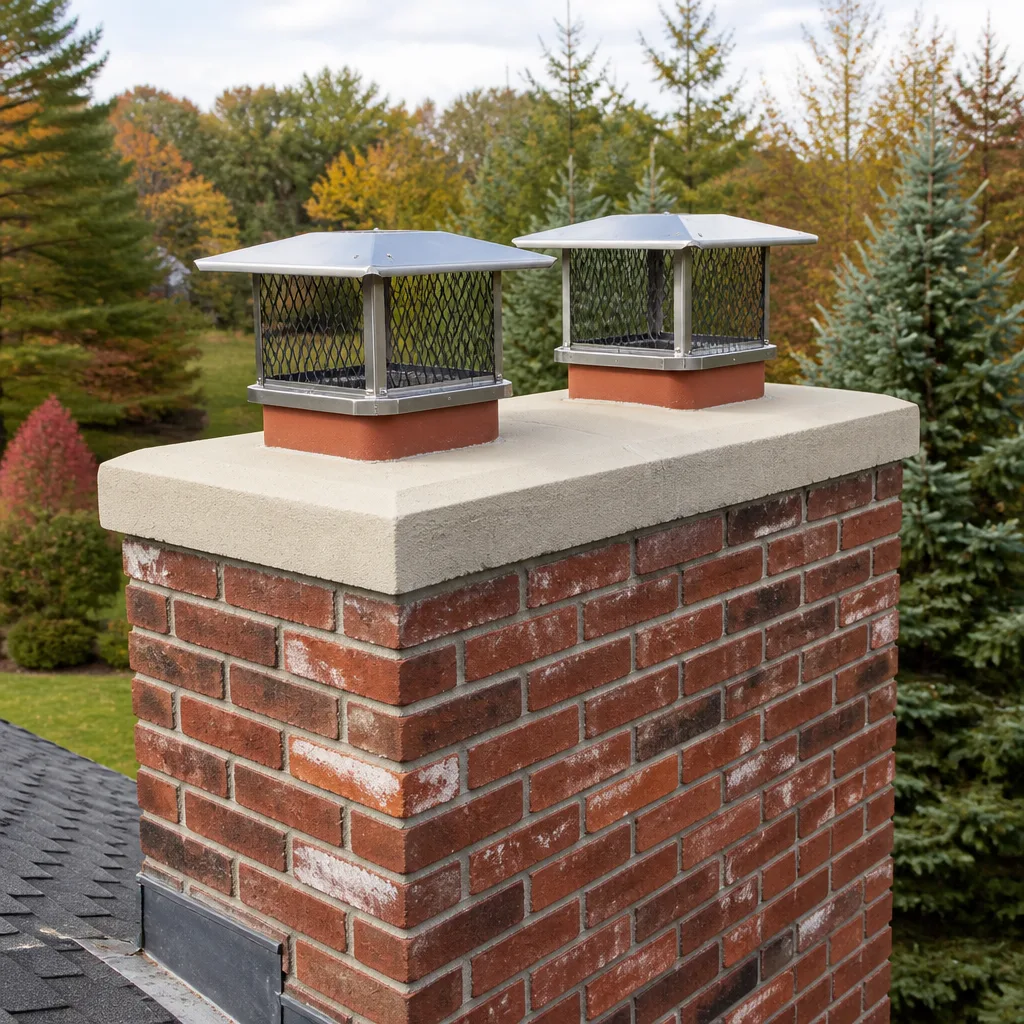 Caps & crowns
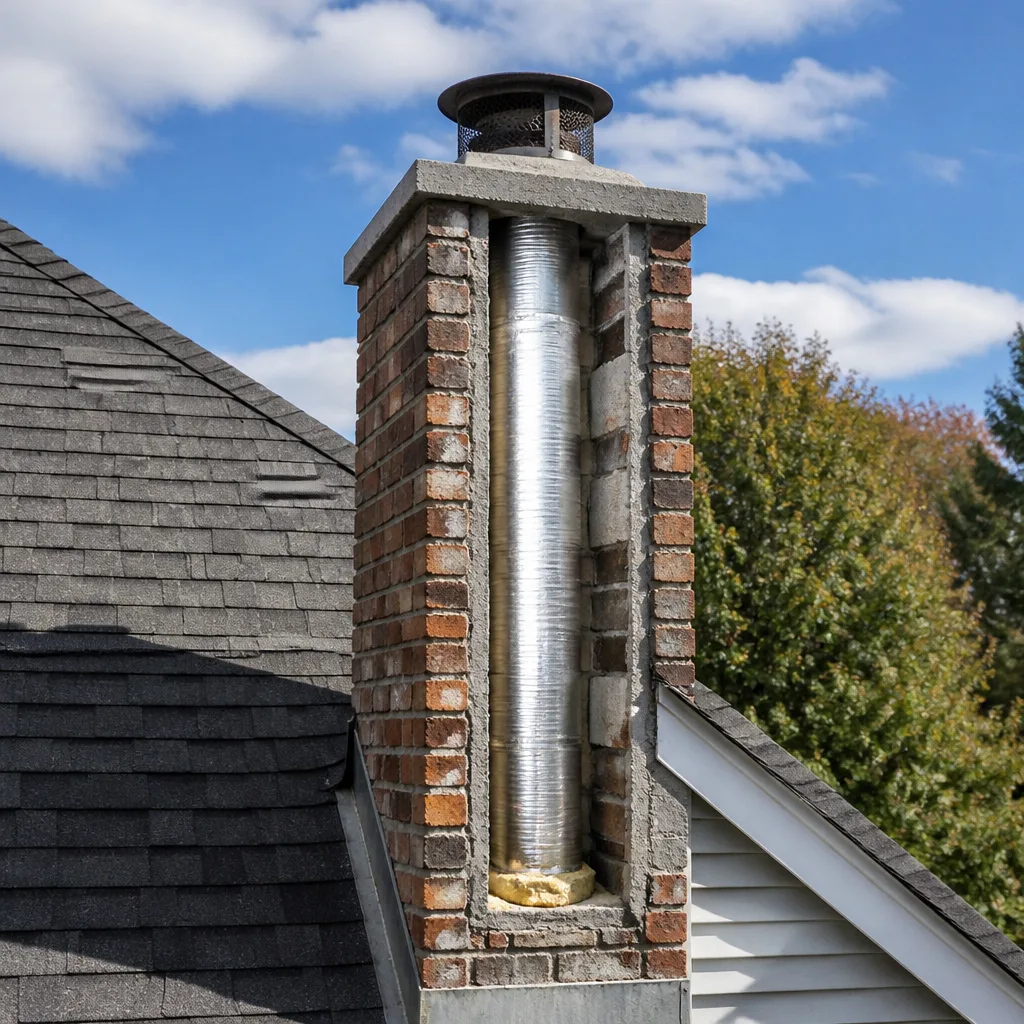 Flue relining
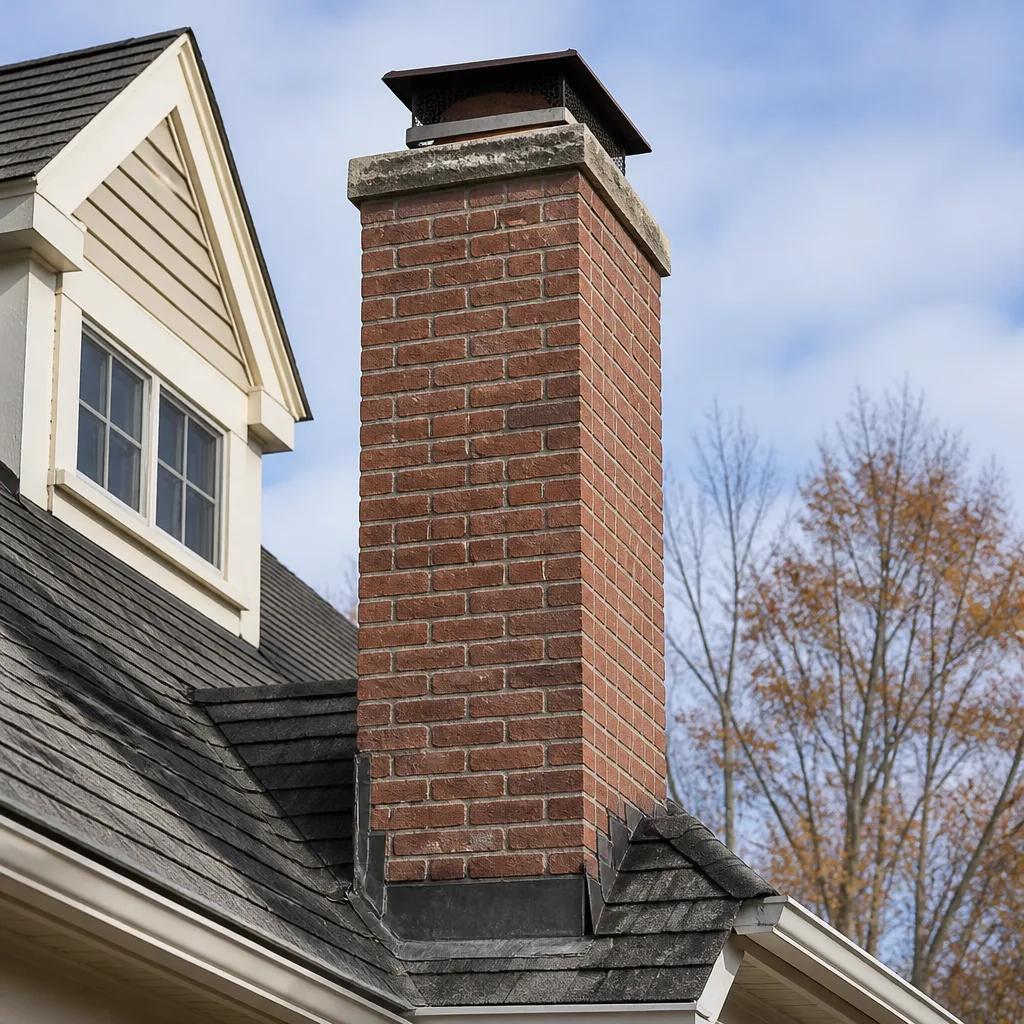 Masonry repair
 Gas fireplace service
Level 1 sweep and inspection to the NFPA 211 annual standard - flue, crown, cap, and flashing checked and photographed
Chimney sweep logs do not sweep chimneys. They loosen some creosote - which then falls where a brush and vacuum still have to collect it.
Chimney Cleaning Permits, Codes & Inspections in Donelson, TN: What You Need to Know
Most chimney work we get asked about needs no permit at all. Sweeping a flue, installing a cap, replacing a damper: routine maintenance, no paperwork. The confusion starts one step further in. The moment a job touches the firebox, the flue liner, or the masonry structure itself, Davidson County’s building permit rules apply, and a surprising number of homeowners don’t find that out until they’re selling the house. This guide draws a clear line between maintenance and permit-triggering work, explains how NFPA 211 and the International Residential Code apply to chimney repairs in Tennessee, and shows you how to check permit records on a Donelson home before you buy it. If you’ve ever wondered whether that liner quote needs a permit, this is the page for you.
Quick Answer
Routine chimney cleaning never requires a permit in Donelson, TN. Repairs that alter the firebox, flue liner, or structural masonry of a chimney generally do require a building permit from Metro Nashville’s Codes Department, which governs Davidson County. A Level 2 inspection documents the condition of the system for code compliance and real estate disclosure, and it’s the single most useful record a homeowner can hold onto after any chimney repair.
Styles & brands we work with
- Sweep & inspection
- Caps & crowns
- Flue relining
- Masonry repair
- Gas fireplace service
Table of Contents
- Maintenance vs. Repair: Where the Permit Line Falls in Donelson
- How NFPA 211 and IRC Section R1001 Apply to Tennessee Chimneys
- Who Pulls the Permit: Contractor vs. Owner-Builder
- What a Level 2 Inspection Documents and Why It Matters at Sale
- How to Check Davidson County Permit Records on a Home You’re Buying
- What to Do When Permit Records Are Missing
- The Three Levels of Chimney Inspection, Explained
- Donelson-Specific Context: Climate, Housing, and Chimney Wear
Maintenance vs. Repair: Where the Permit Line Falls in Donelson
The line between maintenance and repair is the whole ballgame in Davidson County. Routine maintenance keeps a chimney working the way it was built. Repair changes how it was built, or restores structural components that were failing, and that’s where the permit question kicks in.
Here’s how we draw the line, based on what Metro Nashville’s Codes Department routinely asks for on chimney work:
Work that is typically routine maintenance (no permit)
- Chimney sweeping and creosote removal
- Level 1 and Level 2 inspections
- Installing or replacing a chimney cap on an existing flue (a like-for-like replacement)
- Replacing a damper or firebox grate
- Minor mortar repointing on the chimney crown or exterior joints, when it’s cosmetic touch-up
- Removing a bird nest or debris blockage
Work that generally requires a building permit in Davidson County
- Relining or resurfacing a flue liner (a new liner system, or a HeatShield ceramic resurfacing of a damaged liner)
- Rebuilding a firebox or replacing firebrick
- Structural masonry repair: rebuilding a chimney above the roofline, replacing a crown that’s failed structurally, or reconstructing a chimney that’s leaning or cracked
- Changing the flue’s configuration, adding a flue, or connecting a new appliance (a wood stove or insert)
- Any work that alters the chimney’s height, footprint, or structural load path
In our experience, the relining category is where Donelson homeowners get caught most often. A liner replacement is a structural change to the flue, and Metro Codes treats it that way. A cap replacement is not. If a contractor tells you a full liner job doesn’t need a permit, that’s worth a second call to the Codes Department before work starts.
How NFPA 211 and IRC Section R1001 Apply to Tennessee Chimneys
Tennessee’s residential code adopts the International Residential Code, and the IRC’s chimney provisions live in Section R1001. The IRC is the legal code that a building inspector enforces. NFPA 211 is the National Fire Protection Association’s standard for chimneys, fireplaces, vents, and solid-fuel appliances, and it’s the technical reference that the IRC borrows from and that chimney professionals work to when we specify repairs. You need both: the IRC tells you what the inspector will check, NFPA 211 tells you what the system should actually be doing.
What a code-compliant chimney installation requires, in plain terms:
- Clearance to combustibles. The IRC requires minimum clearances between the chimney and wood framing, and that clearance is one of the most common code violations found in older Donelson homes. A chimney that was added or modified outside code often has its framing too close to the flue.
- A listed liner system. A masonry chimney serving a wood-burning appliance needs a liner rated for the appliance. Clay tile flues that have cracked or spalled no longer meet the intent of the code, which is why relining is so common on mid-century masonry chimneys.
- Proper crown and cap. The code calls for a chimney crown that sheds water away from the flue and a cap that keeps rain and animals out. A failing crown is one of the most reliable precursors to a failed liner, because water is the enemy of masonry.
- Height requirements. The 3-2-10 rule (chimney at least 3 feet above the roof, 2 feet above anything within 10 feet) is the classic standard the IRC incorporates for adequate draft and to keep sparks away from the roof. Contractors working near that rule are often doing permit-triggering structural work.
NFPA 211 is also the standard that defines the three inspection levels, which is why your inspection report should reference it by name. When we do work in Donelson, the inspection level and the code citation are part of the report, because that’s what a real estate transaction or a permit reviewer will want to see. If a report doesn’t cite a standard, ask why.
Who Pulls the Permit: Contractor vs. Owner-Builder
For most structural chimney work in Davidson County, the licensed contractor pulls the permit. That’s their legal responsibility. A homeowner can pull an owner-builder permit in some cases, but it comes with real strings attached, and it’s rarely the right move for chimney work.
Here’s the distinction that matters:
- Contractor-pulled permit. The contractor is the permit holder of record, the work is inspected against the code, and the finaled permit becomes part of the property’s history. If something fails inspection, it’s on the contractor to correct it. This is the clean path for a liner replacement, firebox rebuild, or structural masonry repair.
- Owner-builder permit. The homeowner takes on the role of the general contractor for that scope. That means the homeowner is responsible for compliance, for the inspections, and for any correction orders. Some jurisdictions restrict owner-builder permits to a home the owner occupies, and it can complicate things at resale because a future buyer’s lender may scrutinize owner-builder work more closely.
Our position is straightforward: on anything that touches the flue liner, the firebox, or structural masonry, let the contractor who’s doing the work pull the permit in their name. It keeps the paper trail clean and puts the correction responsibility where it belongs. A chimney specialist who inspects and repairs under one roof is already accountable for the work; the permit just makes that accountability official. Our Chimney Sweep Donelson team can walk you through exactly which scope of work triggers a permit before you commit to anything.
What a Level 2 Inspection Documents and Why It Matters at Sale
A Level 2 inspection is the inspection that a chimney professional performs when a property changes hands, when an appliance changes, or when a repair is being planned. It documents the visible and accessible condition of the entire system, and in practice it’s the record that supports the disclosure requirements in most Tennessee real estate transactions.
What a Level 2 inspection covers:
- All accessible parts of the chimney and venting system, including the firebox, the flue, the damper, the smoke chamber, the crown, and the exterior masonry.
- A video scan of the flue interior, so cracks, gaps, spalling, and offset tiles are documented rather than guessed at.
- Clearance checks between the chimney and combustible framing, which is the code item inspectors care most about.
- Photos and a written report that name the findings, cite the relevant standard (NFPA 211), and state what’s safe to use, what needs repair, and what can wait.
Why it matters at sale: Tennessee’s residential property disclosure statement asks sellers to disclose known defects. A Level 2 inspection gives a seller documented evidence of condition, and gives a buyer an independent record they can rely on. In our experience, a Level 2 on a Donelson home is the cheapest insurance a transaction has, because it either clears the chimney or it surfaces the problem before the closing table rather than after.
If a seller can’t produce an inspection record and a buyer’s inspector flags the chimney, the deal can stall while everyone scrambles for documentation. A Level 2 report, in hand, is what prevents that.
How to Check Davidson County Permit Records on a Home You’re Buying
You can check permit records for a Donelson property through Metro Nashville’s online permit portal, and in most cases you can do it in under fifteen minutes. It’s one of the first things we’d recommend doing before you make an offer on a home with a chimney that’s had visible repair work.
Here’s the step-by-step:
- Start with the address. Go to Metro Nashville’s Codes Department online permit search and enter the property address. You can search by address or by parcel number; the parcel number is on the property tax record.
- Look for chimney-related permits. Filter or scan for permits with descriptions mentioning chimney, flue, liner, masonry, or fireplace. Older repairs may be logged under a general “residential alteration” description, so read the descriptions rather than just the titles.
- Check the status of each permit. A permit that shows as “finaled” or “closed” means the work was inspected and approved. A permit that shows as “open” or “expired” is a red flag, because it means the work either wasn’t completed or was never inspected.
- Cross-reference against the work you can see. If the home has a newer stainless liner or a rebuilt firebox and there’s no matching permit on record, that’s a question for the seller and their agent.
- Request the inspection reports. Some permits have inspection notes attached. If they do, they’ll tell you whether the work passed and whether any corrections were required.
- Write down the permit numbers. If you do find records, save the permit numbers. They’ll be useful if you ever sell the home yourself.
If you’re working with an agent, ask them to pull the permit history as part of the due diligence. If the home has no chimney permits on record and the chimney shows evidence of repair, that’s not automatically a deal-breaker, but it’s a strong reason to order a Level 2 inspection before you close.
What to Do When Permit Records Are Missing
Missing permit records don’t automatically mean the work was done wrong. They do mean you can’t prove it was done right, and that’s the problem. The fix is a retrospective inspection, and in most cases it’s straightforward.
Here’s the path we’d recommend:
- Order a Level 2 inspection. A Level 2 gives you a documented, video-supported record of the chimney’s current condition, which is the next best thing to a permit. It’s the report a buyer’s lender or a future buyer will accept in place of a permit history.
- Talk to Metro Codes about a retrospective permit. In some cases, a permit can be pulled after the fact for work that was completed without one. It usually requires an inspection of the existing work and, in some cases, opening up parts of the assembly so an inspector can see it. It’s not free and it’s not fast, but it can clear the record.
- Get the work inspected even if you don’t retro-permit. A Level 2 inspection by a chimney specialist will tell you whether the work was done to code, and if it wasn’t, exactly what needs correcting. That’s the information you need whether you’re buying, selling, or staying put.
- Document what you can, in writing. If the original contractor is reachable, ask them for their permit number or a written statement of the work performed. If not, keep the Level 2 report in the home file so the next owner has something to review.
- Fix what’s actually wrong. If the inspection finds that the prior work has a defect (bad clearances, a liner that wasn’t installed correctly), correcting it is usually cheaper than the paperwork headache of an unpermitted repair at resale. A report that says “corrected and inspected” is worth more than a report that says “condition unknown.”
The Three Levels of Chimney Inspection, Explained
NFPA 211 defines three inspection levels, and the level you need depends on why you’re inspecting. Most Donelson homeowners ordering a routine sweep are getting a Level 1; a real estate transaction calls for a Level 2; and a Level 3 only comes up when a hidden problem needs to be physically opened up.
- Level 1. A visual inspection of the readily accessible parts of the chimney and venting system, done alongside a routine sweep. It covers the firebox, the visible flue, the damper, and the exterior masonry from the ground or roof. It’s what you get when nothing has changed and you just want the chimney checked as part of its annual service.
- Level 2. The transaction-level inspection. It covers everything in a Level 1, plus a video scan of the flue interior, plus the accessible parts of attics, crawlspaces, and any concealed areas around the chimney. It’s the inspection you want before buying or selling a home, after a chimney fire, after an earthquake or major storm, or when a new appliance is being installed.
- Level 3. The diagnostic inspection. It’s performed when a Level 1 or 2 inspection finds a problem that can’t be evaluated without opening up part of the chimney or the building. It’s rare, and it’s usually only used when there’s a specific concern (a suspected hidden crack, a damaged flue in a concealed chase) that has to be confirmed before a repair plan is made.
If you’re not sure which level you need, tell your chimney specialist what’s prompting the inspection. Buying or selling a home in Donelson? Level 2. Routine annual sweep? Level 1. Something feels wrong and nobody can tell you why? Start with a Level 2 and let the findings drive it from there. Our chimney sweep includes a Level 1 inspection as part of the visit, so you’re never getting a cleaning without a professional looking at the system while they’re in it.
Donelson-Specific Context: Climate, Housing, and Chimney Wear
Donelson’s chimney stock has a particular set of problems, and they come from the climate and the housing, not just from the age of the homes. Middle Tennessee’s wet winters and humid summers are hard on masonry, and the freeze-thaw cycle we get in Davidson County is a genuine driver of crown and flue damage. Water gets into small cracks, freezes overnight, expands, and opens the crack a little wider. Repeat that a few winters and a hairline crack in a crown becomes a failed crown, which becomes a leak into the flue, which becomes a spalled liner. This is why we emphasize the crown and cap on Donelson chimneys: stopping water at the top is the cheapest repair a homeowner can make.
The housing itself matters too. Donelson has a lot of mid-century ranches and split-levels with original masonry chimneys. Some of them have had inserts or gas log sets added over the years, sometimes without a proper liner upgrade, and sometimes without a permit. That’s not a knock on the homes; it’s just the reality of a neighborhood that’s been lived in for decades. The practical takeaway is that if you own a Donelson home with an original masonry chimney and you’ve never had it inspected, a Level 1 sweep and inspection is the first thing to do, and a Level 2 is worth it if you’re planning to sell.
On the repair side, our fireplace repair work in Donelson frequently starts with water damage that ran down a failed crown. On the protection side, we install chimney cap & crown assemblies from dedicated manufacturers like Gelco, Famco, and Copperfield, because a generic hardware-store cap isn’t built for the wind and rain loads this climate produces. We work with HeatShield for ceramic liner resurfacing and Olympia Chimney and DuraFlex for liner systems, which means we can often repair a liner without a full reliner replacement. That’s a real distinction when you’re looking at a permit-triggering scope of work: sometimes the repair-first path avoids the permitting headache altogether, and our team can tell you which path applies to your chimney.
Our technicians have up to 8 years of experience with Middle Tennessee chimneys, which means they’ve seen the pattern before: a Donelson home where a prior owner added an insert, the liner was never upgraded, and the first hard freeze of the season opens a crack that’s been forming for a decade. Catching it at a sweep is a repair. Catching it after a chimney fire is a rebuild.
Common Mistakes to Avoid
- Skipping the permit on a liner replacement. Liner replacements are structural work in Davidson County, and unpermitted liner work is one of the most common things we find at resale. Get the permit, even if it adds time and cost up front.
- Letting the seller handle the retrofit without documentation. If a Donelson home’s chimney was repaired without a permit, don’t accept a verbal assurance that it was done right. Order a Level 2 inspection and put the report in the closing file.
- Confusing a Level 1 sweep with a transaction-level inspection. A Level 1 is a maintenance inspection. A Level 2 is what a real estate transaction needs. They’re different scopes, and a Level 1 report won’t satisfy a buyer’s due diligence.
- Assuming a new cap means the system is fine. Caps and crowns protect the chimney from water, but they don’t fix a cracked liner or a firebox that’s deteriorated. A cap on top of a damaged flue just hides the problem longer.
- Pulling an owner-builder permit on structural chimney work. It shifts the compliance burden to you and can complicate resale. Let the contractor who’s doing the work carry the permit on structural repairs.
- Ignoring the crown on a masonry chimney. Donelson’s freeze-thaw winters turn small crown cracks into real leaks. Inspecting and repairing the crown is routine maintenance, and it prevents the liner and firebox repairs that do need permits.
- Waiting on a failed inspection to correct a known defect. If a sweep or inspection finds a liner problem, fix it before the next burning season. A liner that’s good enough to pass a visual at a walkthrough isn’t necessarily good enough to use every week in January.
See the difference
 Before
 After
 Before
 After
 Before
 After
When to Call a Professional
Call a chimney professional if you’re buying or selling a Donelson home with a chimney and you can’t produce a Level 2 inspection report; if you’ve never had the chimney inspected and you burn wood regularly; if you notice water stains, a crumbling crown, or debris in the firebox; or if a prior repair on the home has no permit record. Call us immediately if you smell gas near a gas insert, if you hear a roar or popping from the flue, or if the firebox shows cracking that goes deeper than the surface. These are the cases where the safety question is real, and where a professional’s assessment matters more than a guess. Chimney Sweep Donelson offers free estimates in Donelson. Call (855) 337-0795. We answer 24/7. Fast dispatch from 7am to 7pm, Sunday through Friday.
Frequently Asked Questions
No. Chimney cleaning is routine maintenance and never requires a permit in Donelson or anywhere in Davidson County. What can require a permit is a repair that alters the firebox, flue liner, or structural masonry, so ask your contractor to identify the scope before work starts. Call (855) 337-0795 for a free estimate and a clear answer on whether your job needs a permit.
In most cases, yes. A liner replacement or resurfacing changes the structure of the flue, and Metro Nashville’s Codes Department generally treats it as permit-triggering work. The permit is pulled by the contractor performing the work, and it’s inspected after completion. Call (855) 337-0795 if you’re not sure whether a quote you’ve received includes the permit.
A chimney cleaning removes creosote; a Level 2 inspection documents the condition of the entire chimney system, including a video scan of the flue. A cleaning is maintenance, while a Level 2 is the inspection a real estate transaction usually needs. In Donelson, a Level 2 is the report that supports disclosure when a home is sold. Call (855) 337-0795 to schedule one.
Use Metro Nashville’s Codes Department online permit search and search by the property address or parcel number. Look for permits described as chimney, flue, liner, masonry, or fireplace work, and check whether each one is finaled or still open. If the chimney shows recent repair and there’s no permit on record, order a Level 2 inspection before closing. Call (855) 337-0795 for a free estimate on that inspection.
It can stall the sale. A buyer’s inspector or lender may flag the missing permit, and the fix usually involves a retrospective inspection, extra documentation, and sometimes a retroactive permit from Metro Codes. The cleanest way to protect a sale is to have a Level 2 inspection report in hand before the home goes on the market. Call (855) 337-0795 to schedule one.
Tennessee doesn’t mandate annual chimney inspections by statute, but the code that governs chimney construction and repair in Davidson County does require compliant work, and a Level 2 inspection is what proves compliance. Most chimney professionals and real estate transactions expect a Level 2 at sale. Call (855) 337-0795 if you want a straight answer on what your situation requires.
The Bottom Line
Chimney cleaning in Donelson is maintenance, and maintenance doesn’t need a permit. Repairs that change the firebox, the flue liner, or the structural masonry do, and in Davidson County the paperwork matters as much as the work. A Level 2 inspection is the record that ties it all together: it documents the chimney’s condition, satisfies most real estate disclosure expectations, and gives you something to show a future buyer. If you’re buying a Donelson home, check the permit records before you close. If you already own one, get the chimney inspected and know what you’re working with. The cheapest repair is always the one you make before water or fire makes it for you.
We handle the full chimney, from the firebox to the cap, and we explain what we find and why it matters before we do anything. One inspection, one company, one point of accountability. If you’d like a free estimate on a sweep, inspection, or repair, call (855) 337-0795. We answer 24/7. Fast dispatch from 7am to 7pm, Sunday through Friday.
Written by the team at Chimney Sweep Donelson.