
Last updated November 24, 2026
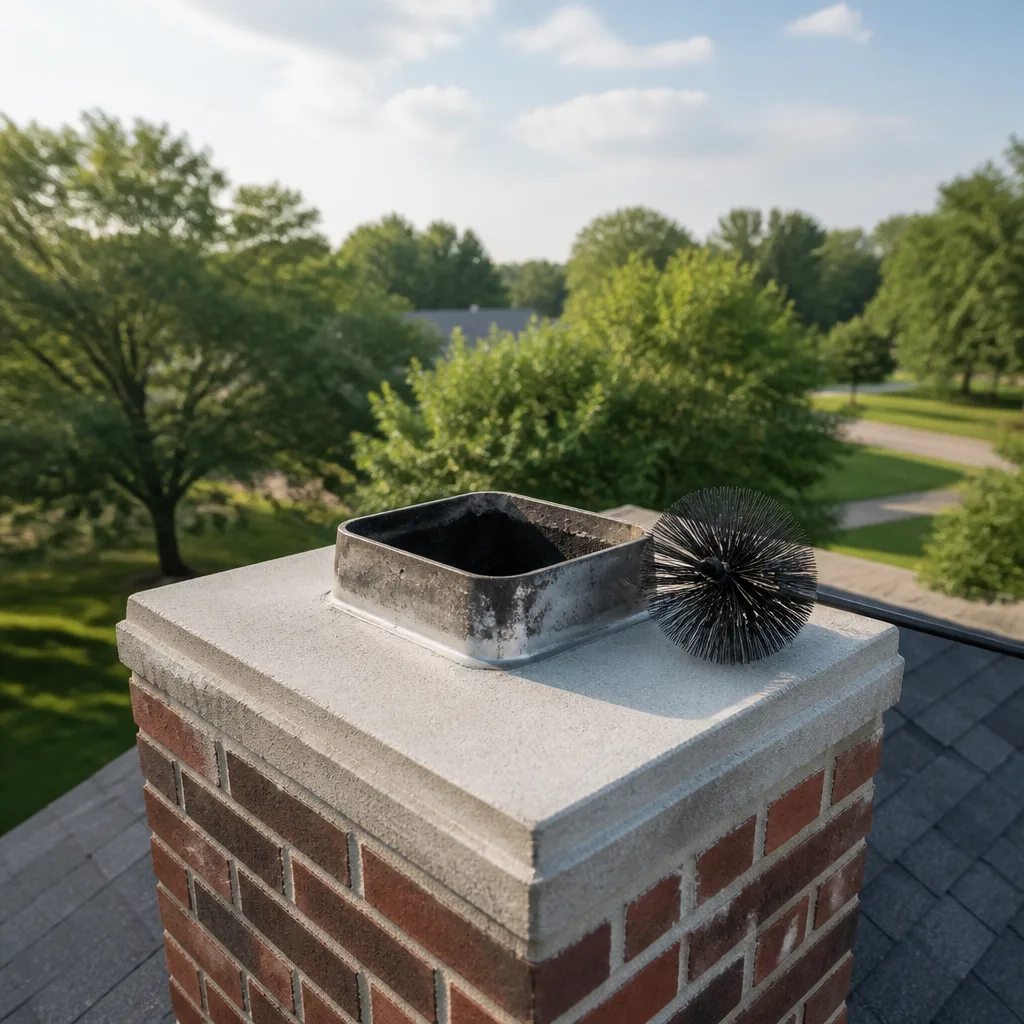 Sweep & inspection
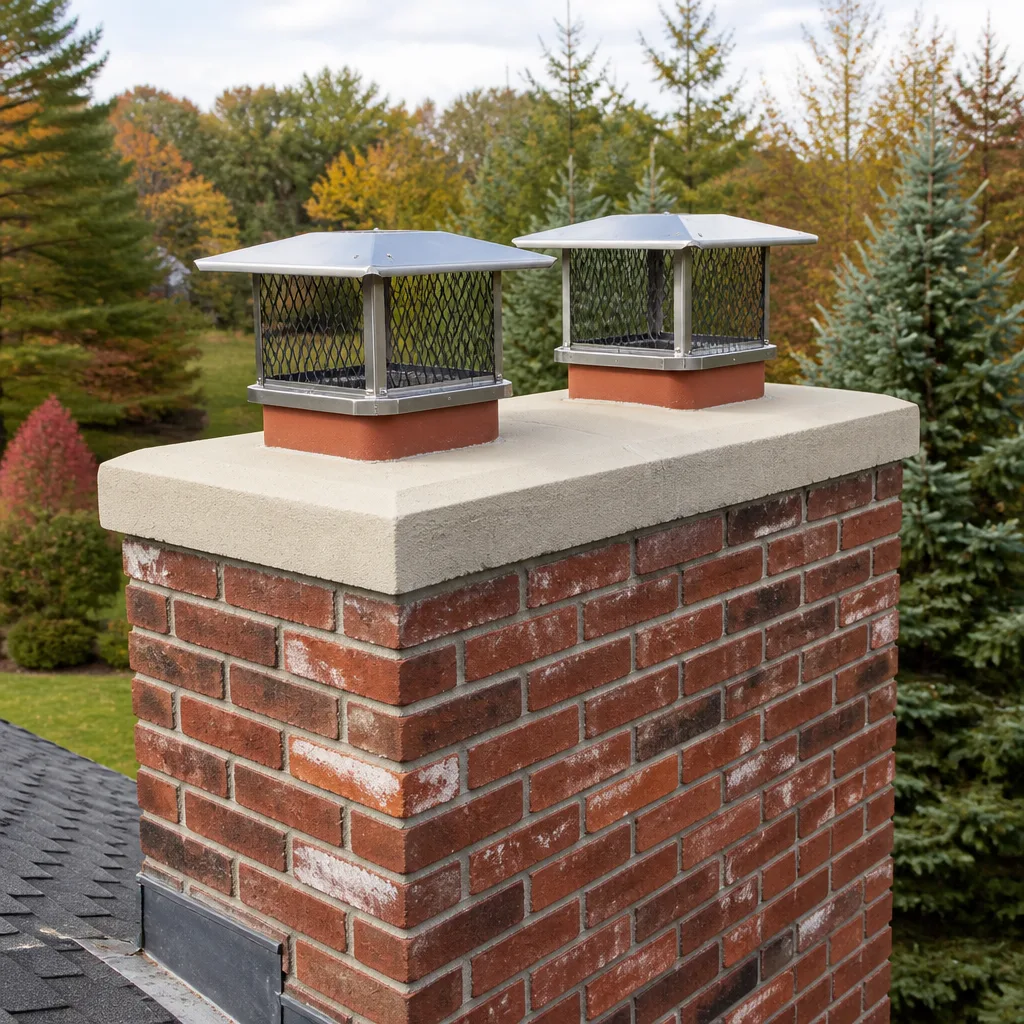 Caps & crowns
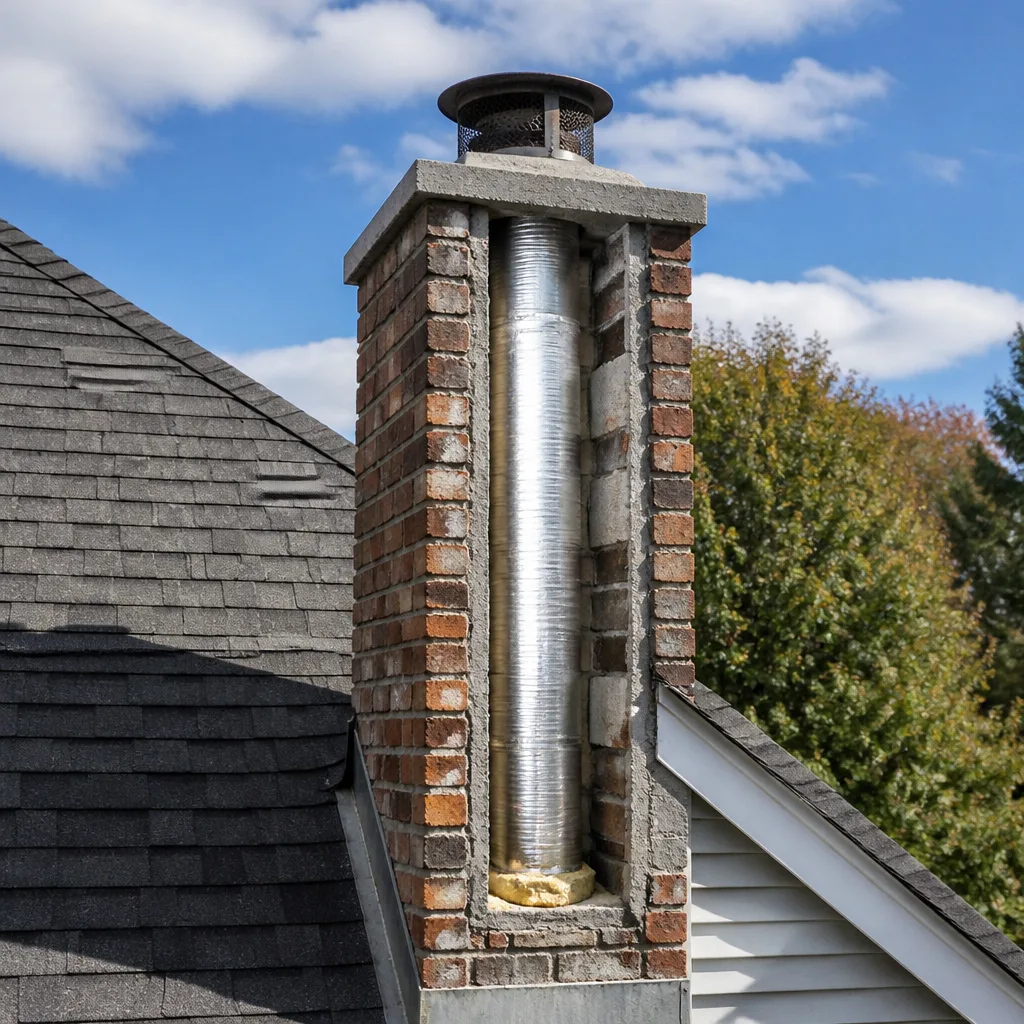 Flue relining
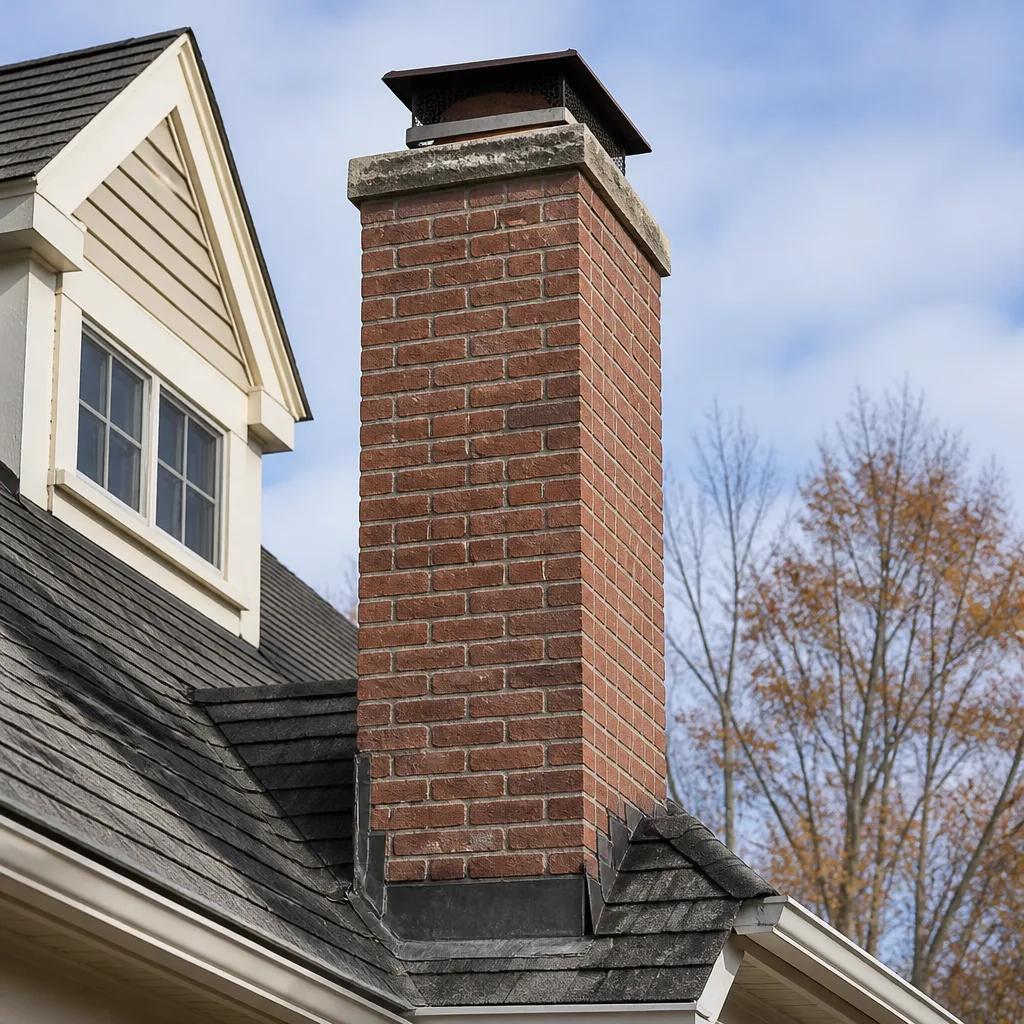 Masonry repair
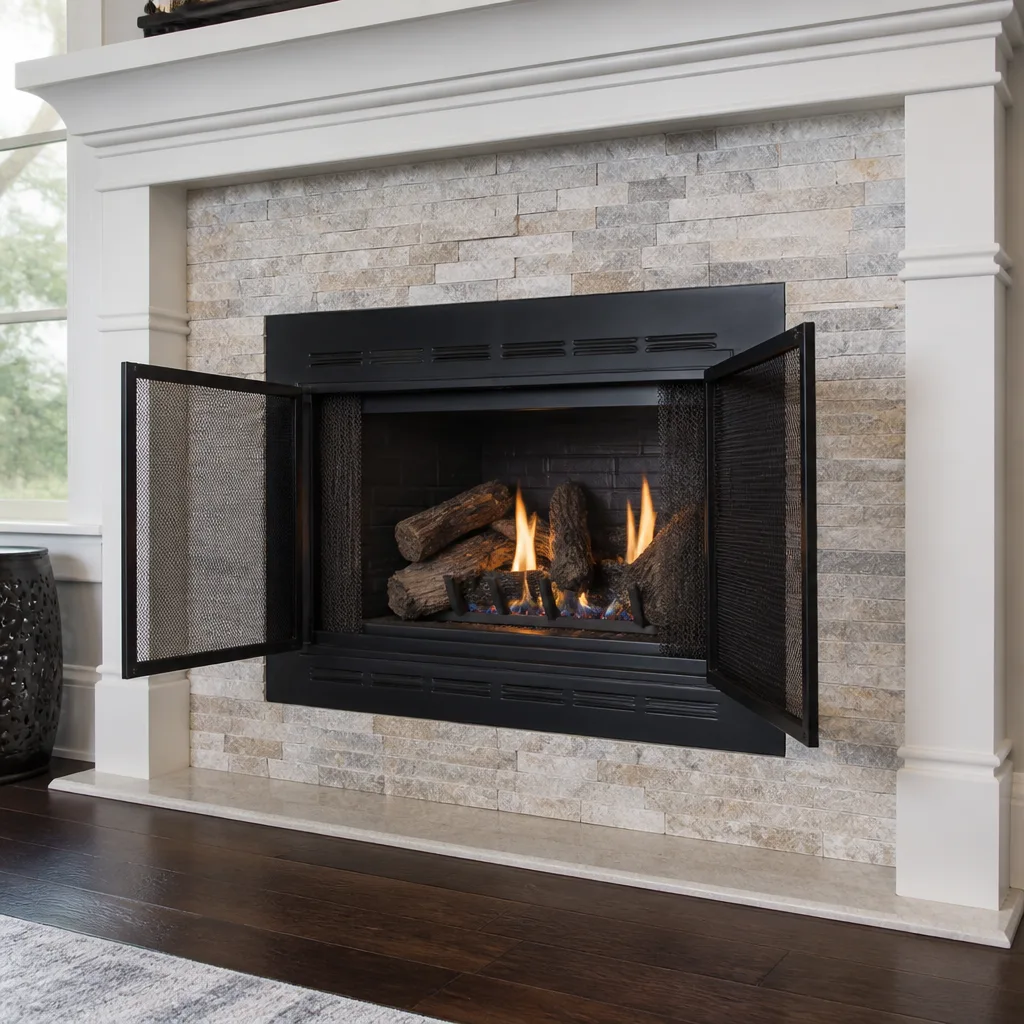 Gas fireplace service
Level 1 sweep and inspection to the NFPA 211 annual standard - flue, crown, cap, and flashing checked and photographed
Chimney sweep logs do not sweep chimneys. They loosen some creosote - which then falls where a brush and vacuum still have to collect it.
Chimney Cleaning Emergency Preparedness Guide for Donelson Homes
Most chimney emergencies don’t announce themselves the way people expect. A chimney fire can burn quietly inside the flue while the house smells only faintly of hot metal, and carbon monoxide from a damaged flue can build up on a summer night when the fireplace hasn’t been lit in months. The gap isn’t that Donelson homeowners don’t care about safety. It’s that nobody ever told them what to actually do in the first sixty seconds. This guide separates the emergencies you can manage calmly from the ones that need action right now, and gives you the steps for each. By the end you’ll know the sensory signs of a real chimney fire, how to shut a fireplace down without feeding a draft, why carbon monoxide behaves differently from smoke, and what a proper inspection has to document before you burn again.
Quick Answer
A chimney emergency is either manageable or urgent, and the two need different responses. Odor, minor smoke rollout, and a sluggish draft are manageable: stop using the fireplace, keep the damper closed, and book a professional chimney sweep. A suspected chimney fire, a carbon monoxide alarm, or visible flame or smoke coming from the chimney structure itself is urgent: get everyone out, call 911, and don’t re-enter until the fire department clears the house.
Styles & brands we work with
- Sweep & inspection
- Caps & crowns
- Flue relining
- Masonry repair
- Gas fireplace service
Table of Contents
- The Three Sensory Signs of an Active Chimney Fire
- Your First Three Steps Before You Call Anyone
- How to Close Off a Fireplace Without Feeding the Fire
- Carbon Monoxide Versus Smoke: Two Different Protocols
- After a Chimney Fire: What a Level 2 Inspection Documents
- Building a Chimney Emergency Kit for a Donelson Home
- Donelson Seasons and When Creosote Turns Dangerous
- Maintenance That Prevents the Emergency in the First Place
The Three Sensory Signs of an Active Chimney Fire
An active chimney fire usually shows up through three senses: sound, smell, and the smoke pattern at the top of the chimney. Sound can be a low rumble, a roaring like a distant train, or in some slow-burning fires almost nothing at all. Smell is often hot metal, a sharp tar-like odor, or a strong burning creosote smell that’s different from normal wood smoke. The exterior smoke pattern is the third: dense, dark, or unusually voluminous smoke from the chimney top, or sparks and embers lifting out of it, indicates active burning inside the flue.
The reason this matters is that the quiet fire is the one people miss. A slow creosote fire can smolder in a flue for a while before it either grows or burns itself out, and the only clue may be a hot smell in a room with no obvious source. In our experience, the homeowners who catch these early are the ones who already know what “different” smells like in their own house.
What each sense actually tells you
- Sound: a rumble or roaring from the flue, or a crackling that continues after the firebox fire has died down
- Smell: hot metal, burning tar, or a sharp chemical edge to the smoke – not the usual wood smell
- Exterior pattern: thick dark smoke, sparks, or embers leaving the chimney top; also a sudden heat shimmer above the cap
- Walls and hearth: a wall or hearth surface feeling unusually warm to the touch, or a clicking or ticking sound from expanding metal
If two or more of these are present, treat it as an active fire even if you’re not certain. The cost of a false alarm is a visit from the fire department and a proper inspection afterward. The cost of a missed one is much higher.
Your First Three Steps Before You Call Anyone
If you suspect an active chimney fire, the order of operations matters. Step one is to get everyone out of the house, including pets, and call 911 from outside. Step two is to close the firebox doors, glass doors, or a metal screen so the fire inside the firebox is contained. Step three is to shut the damper and any outside air intake to the fireplace, which limits the oxygen feeding the flue, and then stay out of the house until the fire department says it’s safe to return.
Notice what’s not on that list: throwing water on a fire, using a garden hose on the roof, or going up to look at the chimney top. Water on a hot flue can crack masonry or a liner, and a roof visit during an active fire is a fall risk and a distraction.
The three steps in order
- Evacuate and call 911. Everyone out, doors closed behind you, call from outside. Tell the dispatcher it’s a chimney fire and give your Donelson address clearly.
- Close the firebox. Shut glass doors or pull the screen across if you can do it in one motion on your way out. Don’t stop to rearrange logs.
- Shut the damper and outside air. If the damper control is easy to reach, close it. If there’s a wall switch or lever for an outside air kit, close that too.
After the fire department has cleared the house, don’t light another fire until a professional has inspected the flue. That inspection is the step that tells you whether the fire damaged the liner or the masonry, and it’s the one most people skip because the house looks fine from the living room.
How to Close Off a Fireplace Without Feeding the Fire
The correct instinct during a suspected chimney fire is to close the damper, not open it. Opening the damper gives the fire more oxygen and a straight path up the flue, which is the opposite of what you want. A chimney fire needs three things to keep going: fuel in the form of creosote on the flue walls, heat, and oxygen. Closing the damper starves it of the third one.
That’s counterintuitive because opening the damper is what you’d do for a normal smoky fire in a cold flue. The difference is the situation. Smoke rollout from a cold start is a draft problem; a fire in the flue is a containment problem, and the containment move is to shut the air down.
How to prepare for this in advance
- Find your damper control now, before you need it. For most masonry fireplaces it’s a metal handle or lever just above the firebox opening; for some inserts it’s a rod on the front.
- Learn which position is open and which is closed by feel. Most handles sit horizontal when open and vertical when closed, but it varies by manufacturer.
- Note whether you have glass doors and how they latch. Practicing the close once, with no fire lit, means you won’t fumble it later.
- If you have a gas log set or gas insert, find the shut-off valve and the wall switch. Turning the gas off is a different step from closing the damper, and both matter.
Donelson has a lot of older masonry fireplaces in homes built decades ago, and damper hardware on those can be stiff from disuse. If yours won’t move freely, that’s worth flagging during your next chimney sweep visit so it can be freed up and checked as part of the service.
Carbon Monoxide Versus Smoke: Two Different Protocols
Carbon monoxide and smoke require different responses because they behave differently. Smoke is visible and rises, so you’ll usually see or smell it before it becomes dangerous. Carbon monoxide is invisible, odorless, and can come from a blocked or damaged flue even when the fireplace isn’t in use, which means a CO event can happen in summer, on a warm evening, with no fire in the firebox at all.
The CO response protocol is: if a CO alarm sounds, get everyone out, call 911 or the fire department from outside, and don’t re-enter until they’ve cleared it. Don’t open windows and wait to see if the alarm stops. Don’t assume it’s a faulty detector. A CO alarm is the one home safety device where the safe default is always to believe it.
Why CO from a chimney can happen with no fire lit
- A flue that’s blocked by a nest, a fallen cap, or a collapsed liner section can trap combustion gases from a furnace, water heater, or gas appliance vented into the same chimney
- A cracked liner can let CO migrate into wall cavities and living space instead of going up and out
- A backdrafting chimney can pull exhaust down into the house when the pressure balance changes
- Negative pressure from a running exhaust fan, dryer, or range hood can pull gases the wrong direction
This is the reason a chimney inspection is about more than the fireplace. The same flue that serves your wood fire may also vent a gas appliance, and a problem in the flue affects both. If you’ve never had the flue camera-inspected, that’s the single most useful safety step for a Donelson home with an older chimney.
After a Chimney Fire: What a Level 2 Inspection Documents
After a chimney fire, the flue needs a Level 2 inspection before you burn again. A Level 2 inspection includes a camera scan of the flue interior, a check of accessible portions of the chimney exterior, the attic and crawl space where accessible, and connections to appliances. It documents the condition of the liner, any cracks or gaps, the condition of the crown and cap, and whether creosote has glazed onto the flue walls. It also produces a report, usually with photos, that records what was found and what work is recommended.
That documentation matters for more than your peace of mind. Most insurance carriers require a Level 2 inspection before they’ll approve restoration work after a chimney fire, and the report is what makes the claim possible.
What the report should show you
- Photos of the flue interior from top to bottom, including the smoke chamber and the connection to the firebox
- The type and condition of any existing liner, and whether it’s continuous or has gaps at joints
- The condition of the crown, cap, and flashing at the roof line
- Any evidence of fire damage, warping, or spalling in the masonry
- A written recommendation of repair options, with the reasoning for each
Liner damage after a fire is common even when the fire was small, because the heat stress can crack clay tile or distort a metal liner. If the flue needs relining, materials matter: HeatShield resurfacing can restore a clay flue without a full tear-out in some cases, and DuraFlex or Olympia Chimney stainless liners are used when a new liner is the right call. We work with all three, which means the recommendation follows the condition of your flue rather than a limited inventory.
Building a Chimney Emergency Kit for a Donelson Home
A chimney emergency kit is a small set of items and information you keep ready so the first time you need it isn’t the first time you think about it. It doesn’t need to be elaborate. What matters is that the CO detector is placed correctly and working, that you know where your damper and gas shut-off are, and that you have the number of a chimney specialist on hand before you need one at ten at night.
What goes in the kit
- A carbon monoxide detector on every level of the home, plus one near the sleeping area. Place it according to the manufacturer’s instructions and test it on the schedule the manufacturer gives. CO is lighter than air in a mixture with room air only slightly, so follow the label rather than a rule of thumb you heard somewhere.
- A working smoke detector in the room with the fireplace and in the hallway outside bedrooms.
- A fire extinguisher rated for A and B fires near the fireplace, and knowledge of how to use it.
- The damper control location written down or marked, plus the gas shut-off valve location if you have gas logs or a gas insert.
- A chimney specialist’s phone number posted where you can find it, not buried in a phone contacts list.
- A small flashlight kept near the fireplace, because a power outage during a winter storm is when people light fires and when they’re least able to check the flue.
Beyond the kit, a chimney cap matters more than most homeowners realize. A missing or damaged cap lets rain, debris, and animals into the flue, and a blocked flue is one of the most common causes of CO backup. A properly sized cap with a screen, installed to fit the flue opening, is a small job with an outsized effect on safety. We install caps from Gelco, Famco, and Copperfield because those manufacturers build to the dimensions a masonry or factory-built chimney actually needs, not the one-size-fits-most approach of hardware-store caps.
Donelson Seasons and When Creosote Turns Dangerous
Chimney fire risk in Donelson clusters around two parts of the year. The first is the shoulder season, when the weather turns cool enough for a fire but not cold enough for a long, hot burn. Fires lit and then left to smolder, or burned at low air settings for hours, produce more creosote than a hot fire does. The second cluster is late winter and early spring, after a season of use, when creosote has had months to build up on the flue walls.
Middle Tennessee’s climate adds a factor that matters for chimney condition: humidity. A masonry chimney that takes on water through a failing crown or a missing cap, then goes through freeze-thaw cycles in January and February, spalls and cracks faster than one kept dry. A cracked crown doesn’t just leak; it opens a path for water to get into the flue structure, and over time that water finds its way into the smoke chamber and the liner joints.
When to check the flue during the year
- Early fall, before the first fire: the best time for a sweep and inspection, since it clears out a summer’s worth of debris and gives you a clean baseline for the season
- Mid-winter, after heavy use: a visual check of the firebox and flue draft is worth it if you’ve burned a lot of wood; a dramatic change in how the fire draws is a signal
- Spring, after the season ends: a good time to look at the crown, cap, and flashing before storm season, since that’s when water intrusion starts
- After any chimney fire, regardless of season: Level 2 inspection before you burn again
If you burn only occasionally, the annual sweep-and-inspect still applies, because creosote accumulates even with light use and because the inspection catches problems unrelated to soot. If you burn daily through the winter, an annual sweep is the floor, not the ceiling.
Maintenance That Prevents the Emergency in the First Place
Most chimney emergencies are preventable with a small amount of routine work. The principle is simple: know what’s in your flue, keep water out of the chimney structure, and address small problems before they become big ones. That’s the whole game.
The maintenance cycle that keeps a Donelson chimney safe
- Annual sweep and inspection. One visit, one report, before the season. If you’ve never had the flue camera-inspected, ask for it. The professional chimney sweep service we provide includes the sweep and a look at the flue, and if the inspection turns up a problem, we can quote the repair in the same visit.
- Cap and crown check. Look at the chimney top from the ground after any storm. A tilted or cracked crown, a missing cap, or loose flashing is a water problem waiting to start. Chimney cap & crown work is a straightforward repair when it’s caught early.
- Firebox and damper check. Look at the firebox brick and the damper before each season. Cracked firebrick, a damper that won’t seat, or a gas log set with a damaged burner are all worth a professional look.
- Burn well. Seasoned wood, hot fires, and no smoldering overnight burns. A fire that smolders for eight hours is the creosote factory; a fire that burns hot and dies down is not.
- Repair first, replace second. When a flue has damage, a repair-first approach extends the life of the chimney without the cost of a full reline in cases where the flue can be resurfaced. That’s the reasoning behind HeatShield capability: resurface the ceramic where it can be resurfaced, and keep the original structure doing its job.
Fireplace repair is the other half of this. A firebox with cracked brick, a damper that won’t close, or a gas insert that won’t light reliably is a problem that gets worse with each season of use, and it’s usually cheaper to fix in the fall than after a cold snap. Because we handle the full chimney – from the firebox to the cap – the same company that finds a problem fixes it, and there’s no hand-off between a sweep and a mason.
Common Mistakes to Avoid
- Opening the damper during a suspected chimney fire. Opening it feeds the fire more oxygen. The correct move is to close it, close the firebox doors, and get out.
- Waiting to see if the CO alarm stops on its own. A CO alarm is not a nuisance to be silenced. Get out and call the fire department.
- Assuming a “clean-looking” firebox means the flue is fine. The firebox can look perfect while the flue above it is glazed or cracked. Only a camera inspection tells you what’s inside the flue.
- Skipping the Level 2 inspection after a chimney fire because the house “seems okay.” The house looks fine from the living room regardless of the condition of the liner. The report is what tells you whether it’s safe to burn again, and most insurers require it.
- Putting off cap and crown repairs until spring. A cracked crown lets water into the chimney all winter, and a Donelson freeze-thaw cycle turns a small crack into a bigger one. Fix it while it’s small.
- Burning unseasoned wood to stretch a cord of firewood. Wet wood burns cool and smolders, and smoldering is the creosote producer. Seasoned wood burns hotter and cleaner, and it’s cheaper than a liner repair.
- Relying on a hardware-store cap to keep water and animals out. A cap that doesn’t fit the flue opening properly doesn’t do its job. A properly sized cap from a manufacturer like Gelco, Famco, or Copperfield is a better fit and lasts longer.
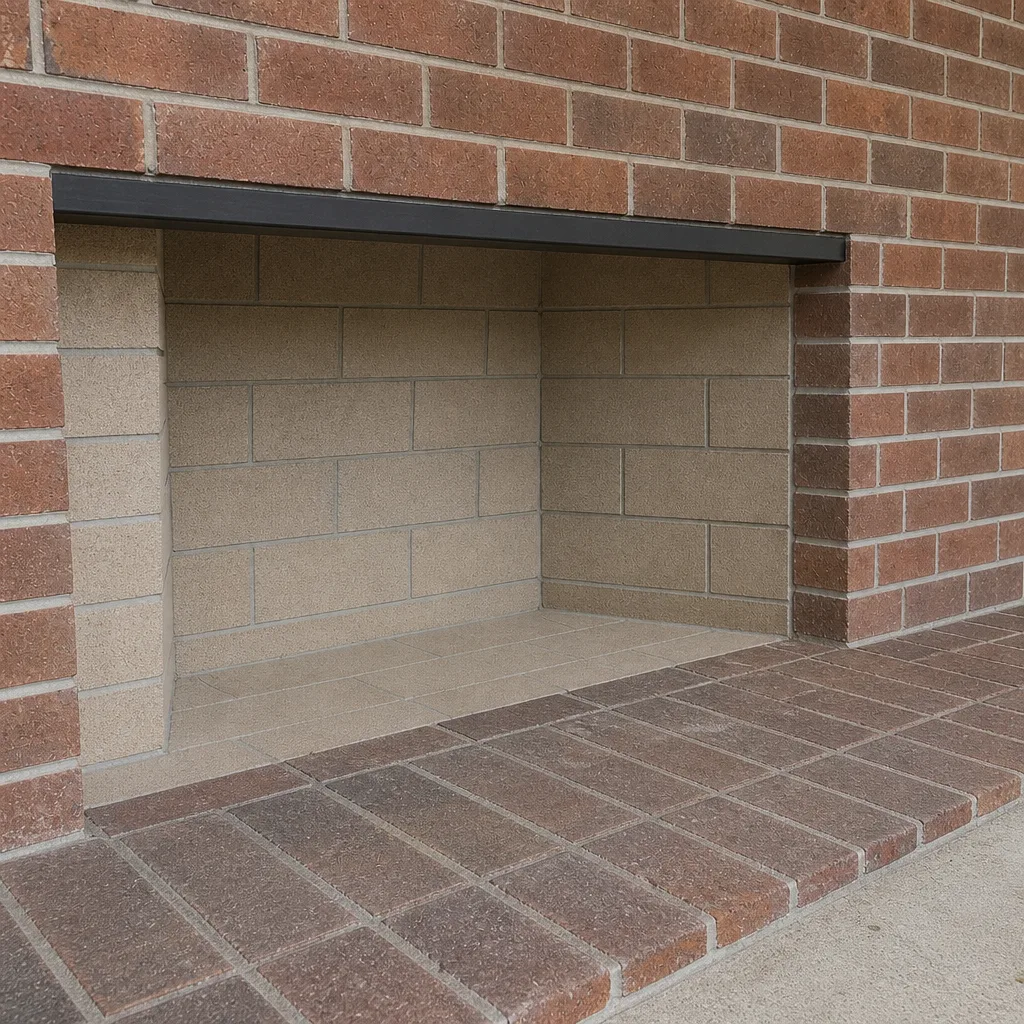
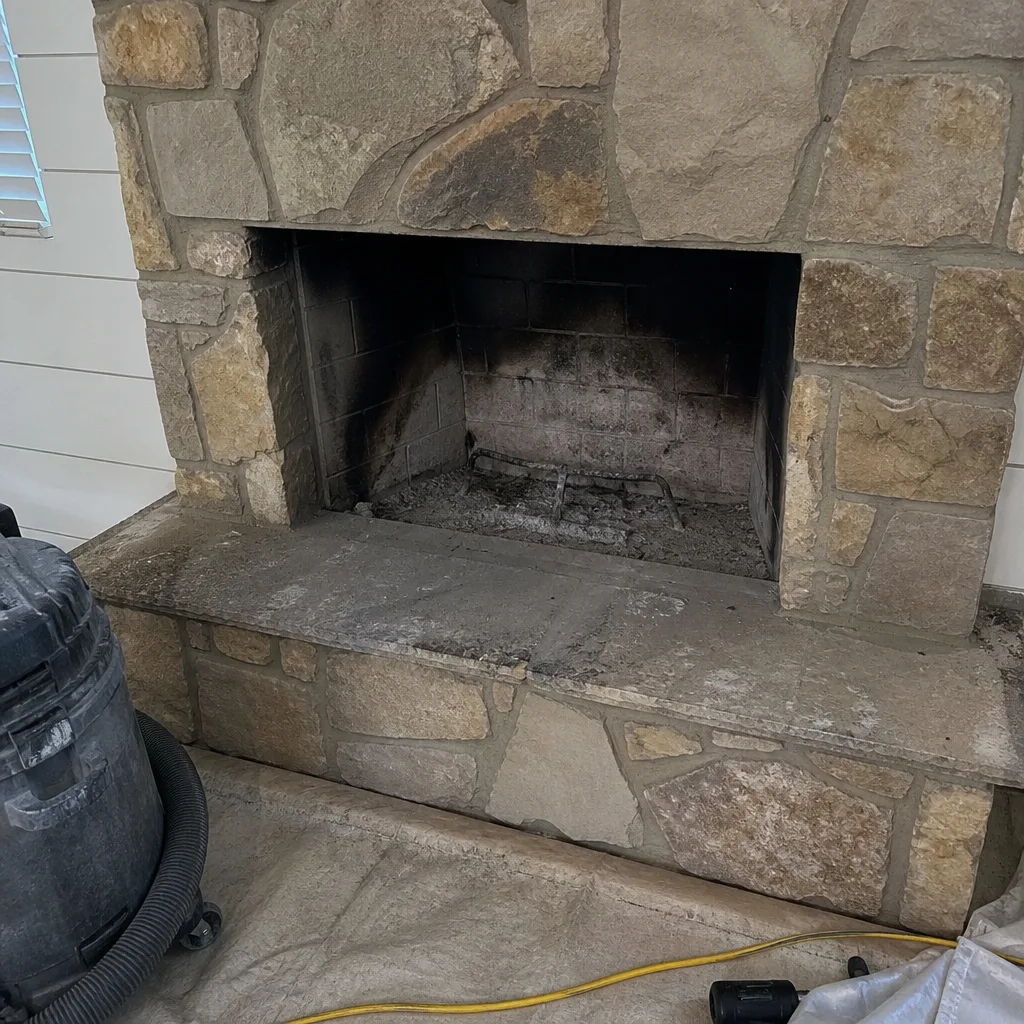
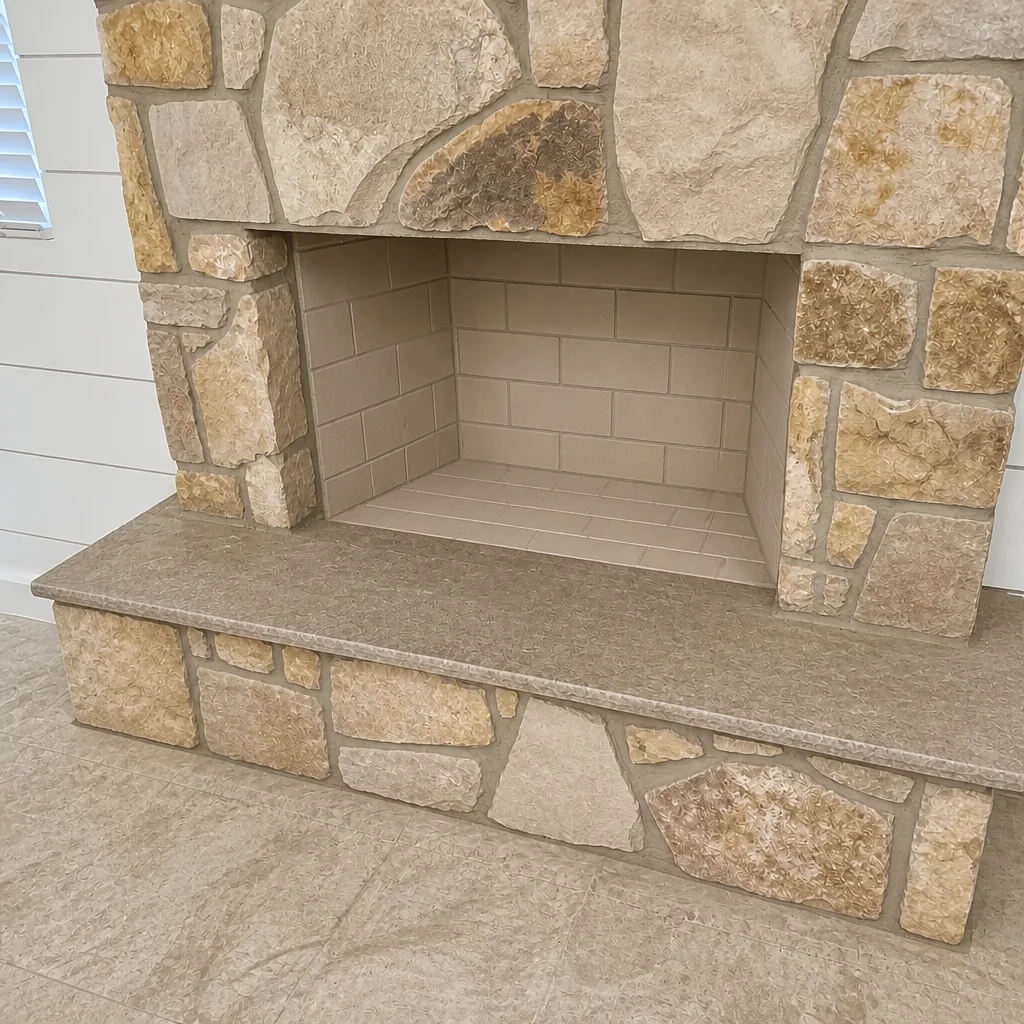
See the difference
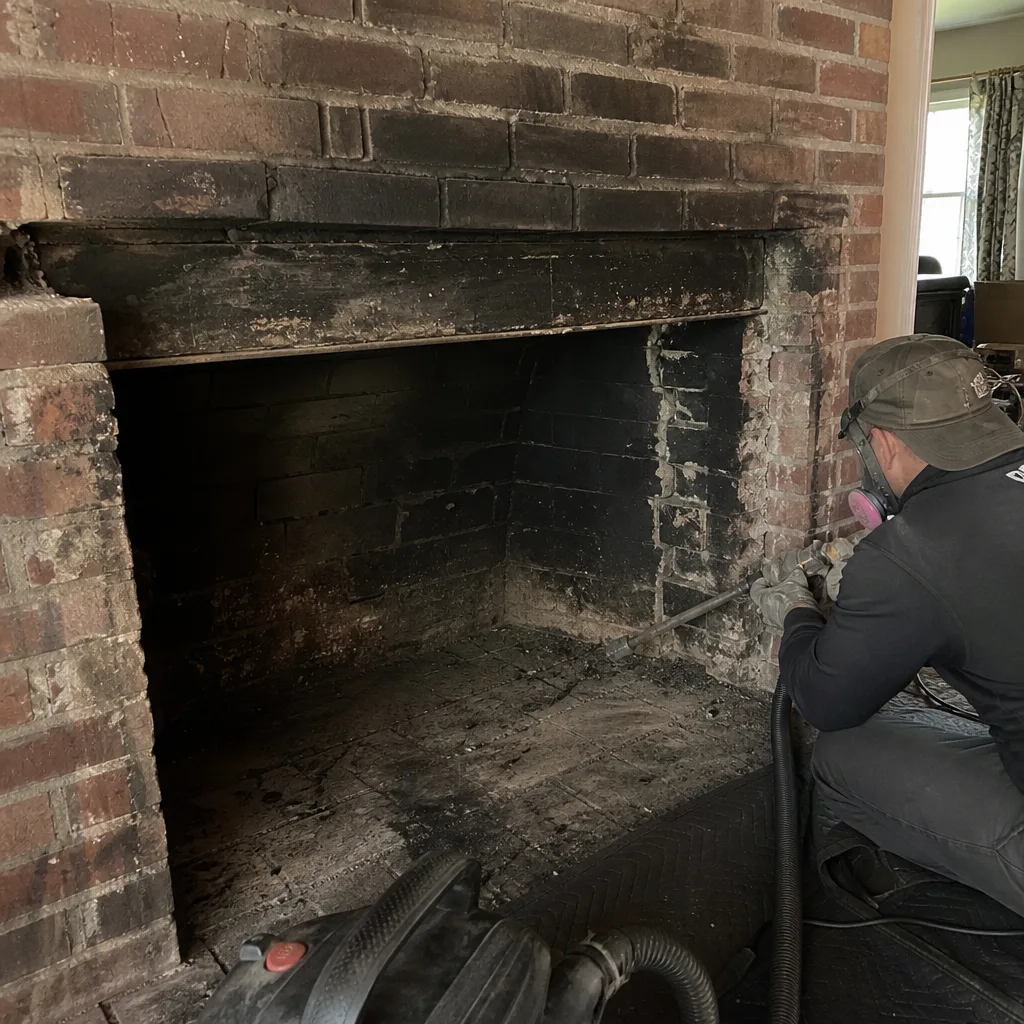 Before
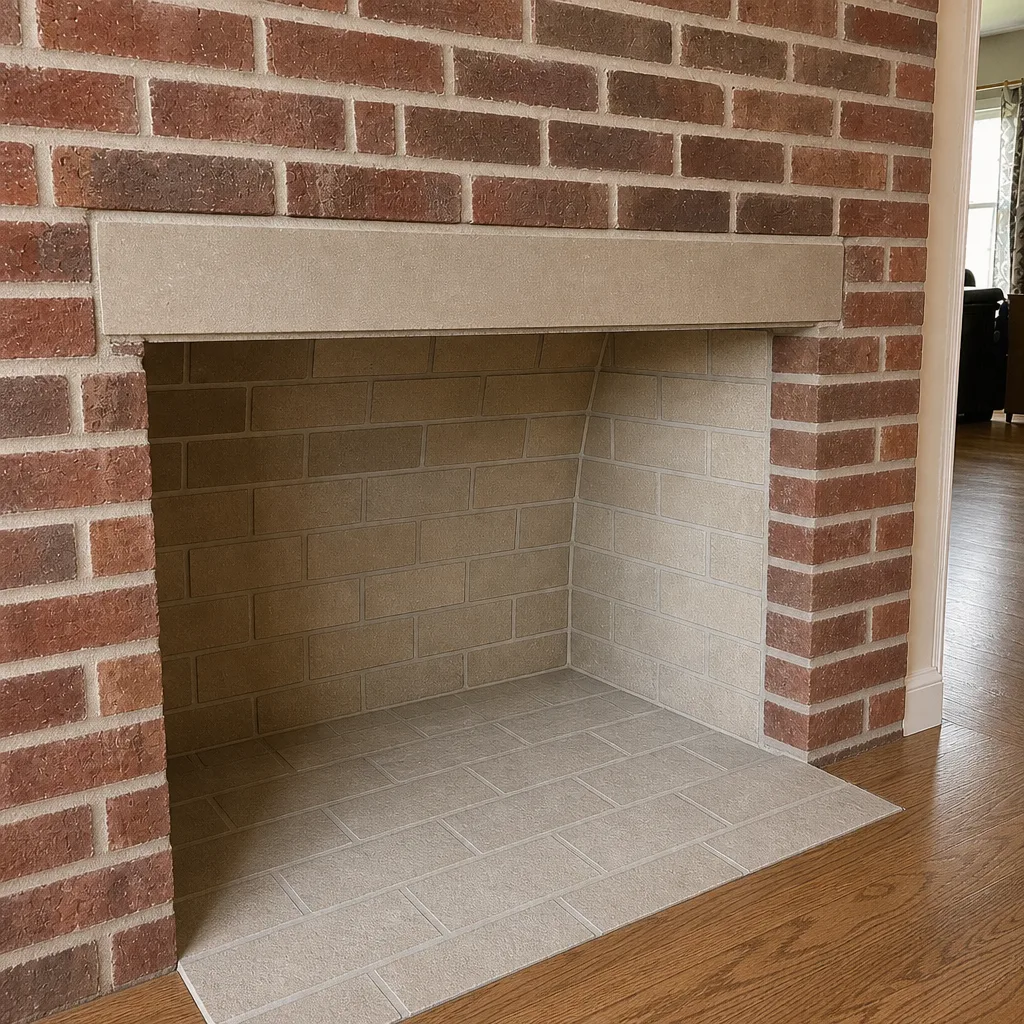 After
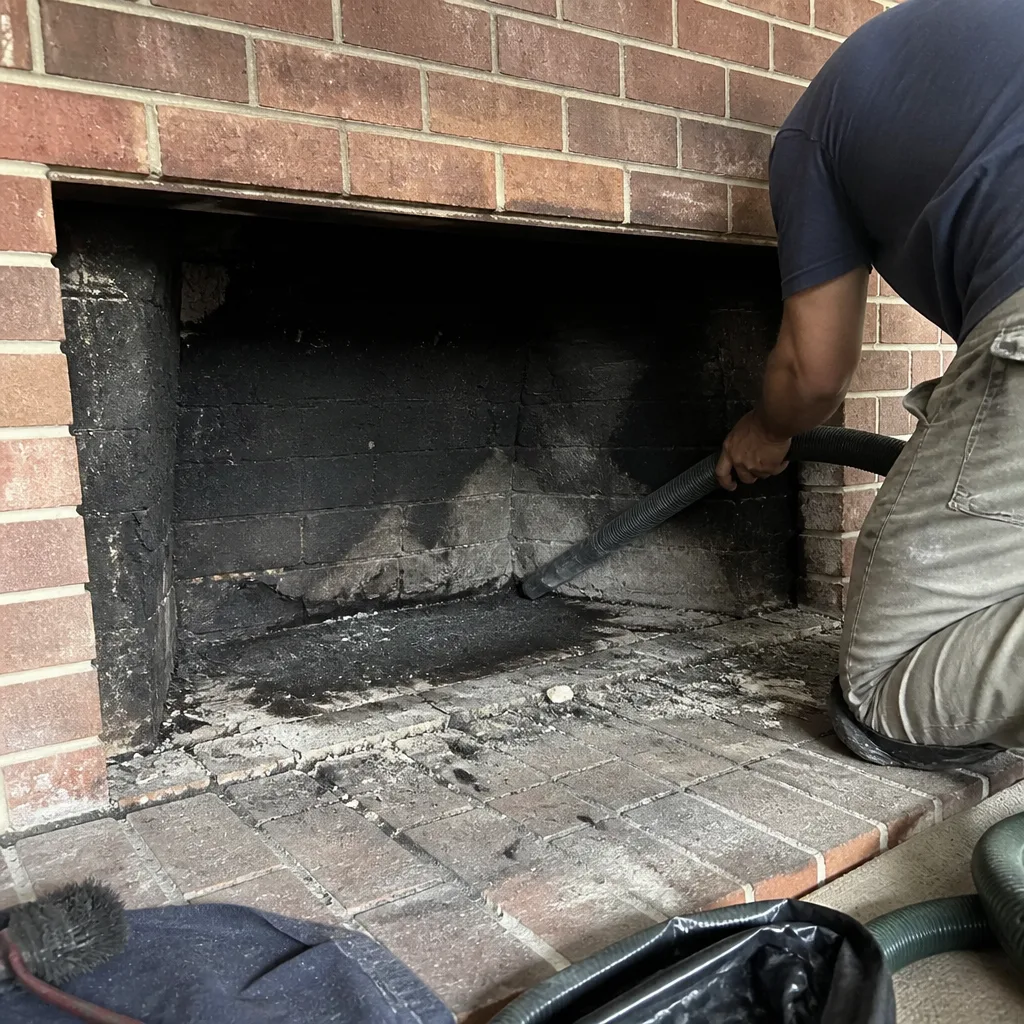 Before
 After
 Before
 After
When to Call a Professional
Call a professional when you see or smell signs of a chimney fire, when a CO alarm sounds, when the firebox has cracked or missing brick, when the chimney crown or cap is damaged, or when it’s been a year or more since the last sweep. Also call when the fireplace behaves differently than it used to – less draft, more smoke into the room, a smell you can’t identify. Changes in how a chimney performs are usually telling you something about the flue.
Our technicians have up to 8 years of experience, and we handle the full stack of chimney work in one company: sweeping, inspection, cap and crown, fireplace repair, and chimney repair. Chimney Sweep Donelson offers free estimates in Donelson – call (855) 337-0795. We answer 24/7, with fast dispatch from 7am to 7pm, Sunday through Friday. If you call outside dispatch hours, we’ll book you into the next opening. Estimates are free and the price is set per job by the written estimate, so nothing is recommended without you seeing the evidence for it.
Frequently Asked Questions
You know you’ve had a chimney fire if you heard a rumble or roaring from the flue, smelled hot metal or burning tar, saw dense dark smoke or sparks from the chimney top, or found puffed creosote flakes on the roof or in the firebox afterward. A quiet fire can leave creosote that looks like a honeycomb or a puffy, expanded texture on the flue walls. Any of these signs means a Level 2 inspection before you light another fire. Call (855) 337-0795 to book an inspection – estimates are free.
Close the damper during a suspected chimney fire. Closing it limits the oxygen feeding the fire and is the containment move. Opening it gives the fire more air and a clear path up the flue. The order is: get everyone out, call 911, close the firebox doors, then close the damper and any outside air intake. Don’t re-enter until the fire department clears the house. Then call a specialist for the inspection before your next fire.
Carbon monoxide can come from a chimney with no fire lit because the same flue often vents a furnace, water heater, or gas appliance, and a blocked or cracked flue lets those gases migrate into the house instead of going up and out. A nest, a fallen cap, a collapsed liner section, or a backdrafting chimney can all cause it. That’s why a CO detector on every level is not optional in a home with a chimney. If a CO alarm sounds, get out and call 911, then book an inspection with a chimney specialist.
A Level 2 inspection includes a camera scan of the flue, a check of accessible chimney areas including the attic and crawl space, the condition of the crown, cap, and flashing, and a written report with photos and recommendations. Insurers want it after a chimney fire because it’s the document that establishes the condition of the flue and the scope of restoration. Without it, most claims can’t be approved. Call (855) 337-0795 to schedule one – estimates are free.
A Donelson chimney should be swept once a year, and inspected at the same time, regardless of how often you burn. If you burn wood daily through the winter, or burn a lot of unseasoned wood, an annual sweep is the minimum. If you’ve had a chimney fire, a change in draft, or a CO event, don’t wait for the annual cycle – book an inspection now. A yearly visit catches small problems before they become expensive ones.
You can clean a chimney yourself if you have the right brushes and the ladder access, but you can’t inspect it properly without a camera and the training to read what the camera shows. The inspection is the part that catches a cracked liner, a failing crown, or glazed creosote before it becomes a fire or a CO problem. Most homeowners who sweep their own chimney still need a professional inspection once a year. Call (855) 337-0795 to book one – estimates are free.
The Bottom Line
Chimney emergencies split cleanly into two groups, and knowing which one you’re in is most of the preparedness. Odor, minor smoke rollout, and a sluggish draft can wait for a scheduled visit – stop using the fireplace and book a sweep. A suspected chimney fire or a sounding CO alarm can’t wait: get everyone out, call 911, close the firebox and the damper, and stay out until the fire department clears the house. After any fire, a Level 2 inspection with a camera scan is what tells you whether the flue is safe to use again, and it’s usually required by your insurer before restoration. The rest is prevention: an annual sweep, a fitted cap, a sound crown, and a detector on every level. We handle the full chimney – from the firebox to the cap – and we explain what we find and why it matters before we do anything. Call (855) 337-0795 for a free estimate. We answer 24/7, with fast dispatch from 7am to 7pm, Sunday through Friday.
Written by the team at Chimney Sweep Donelson.