
Last updated November 24, 2026
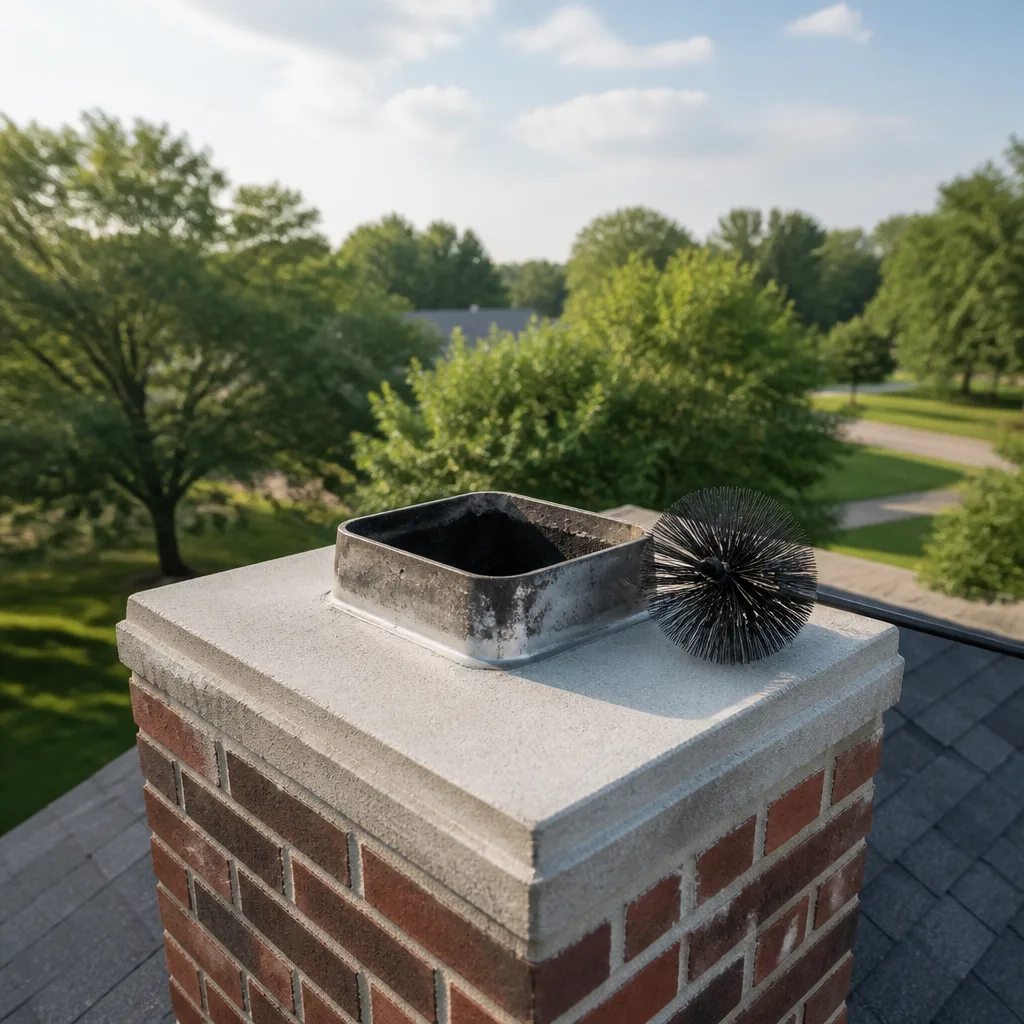 Sweep & inspection
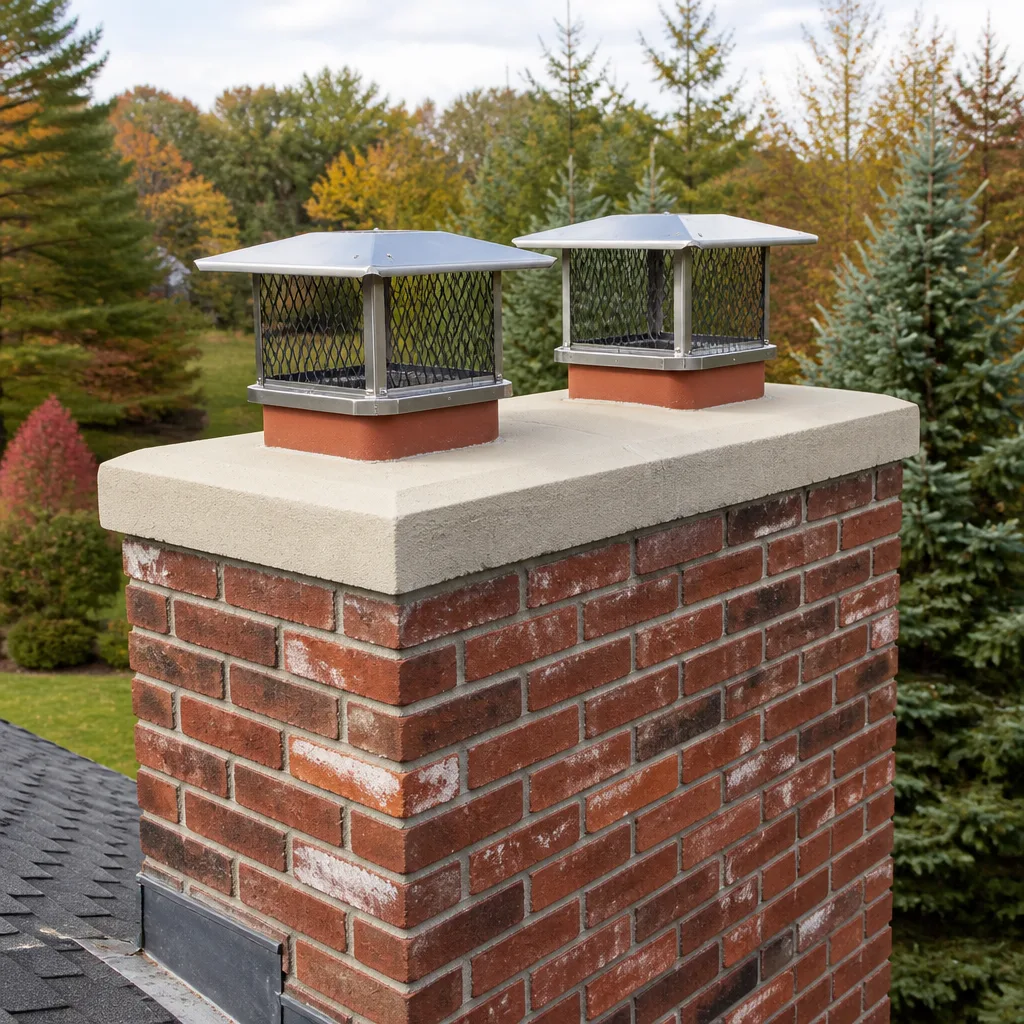 Caps & crowns
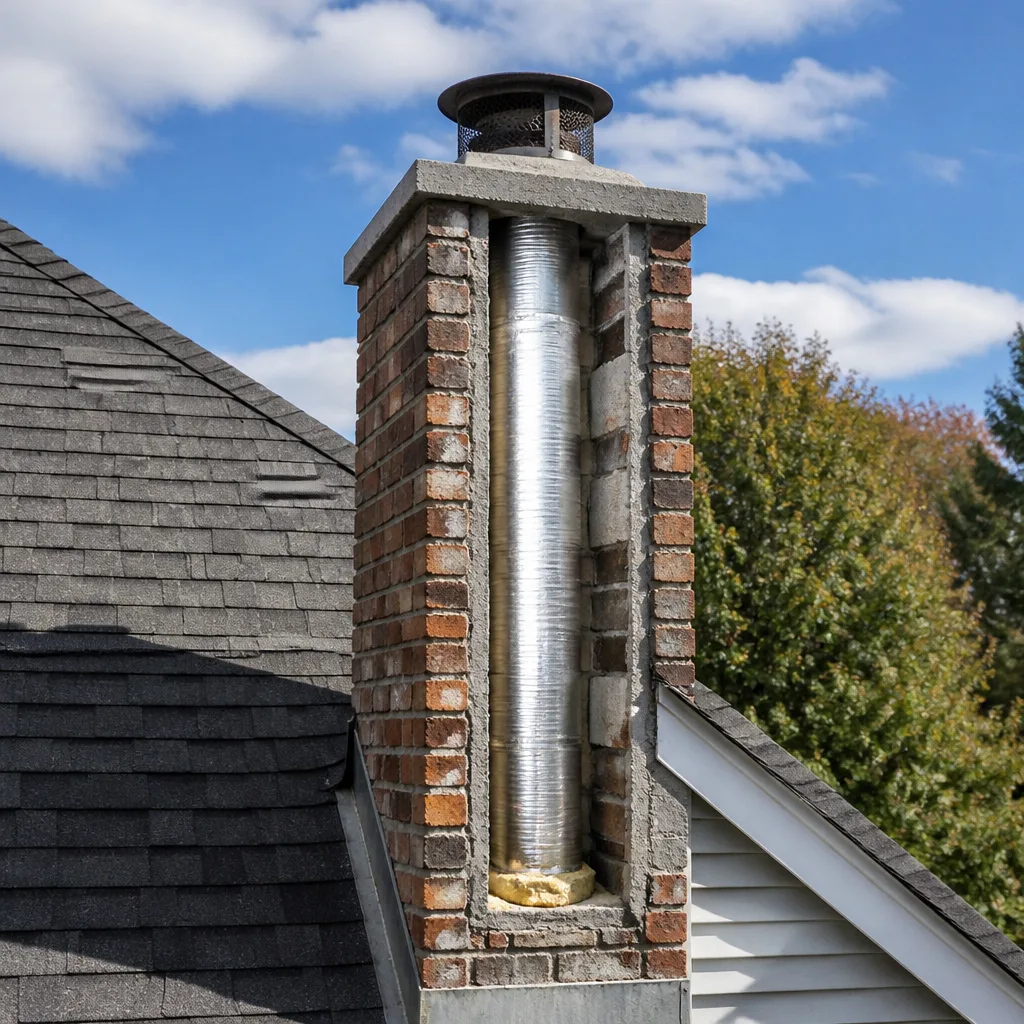 Flue relining
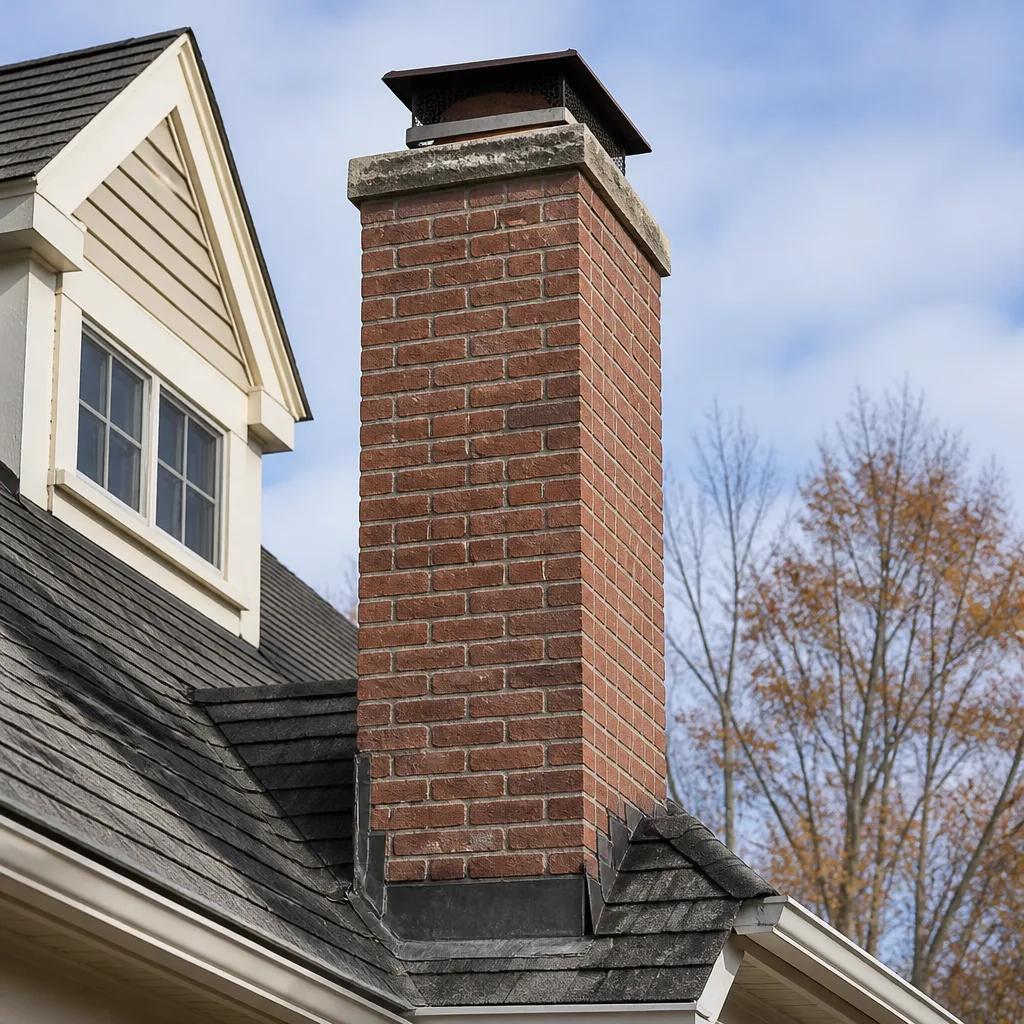 Masonry repair
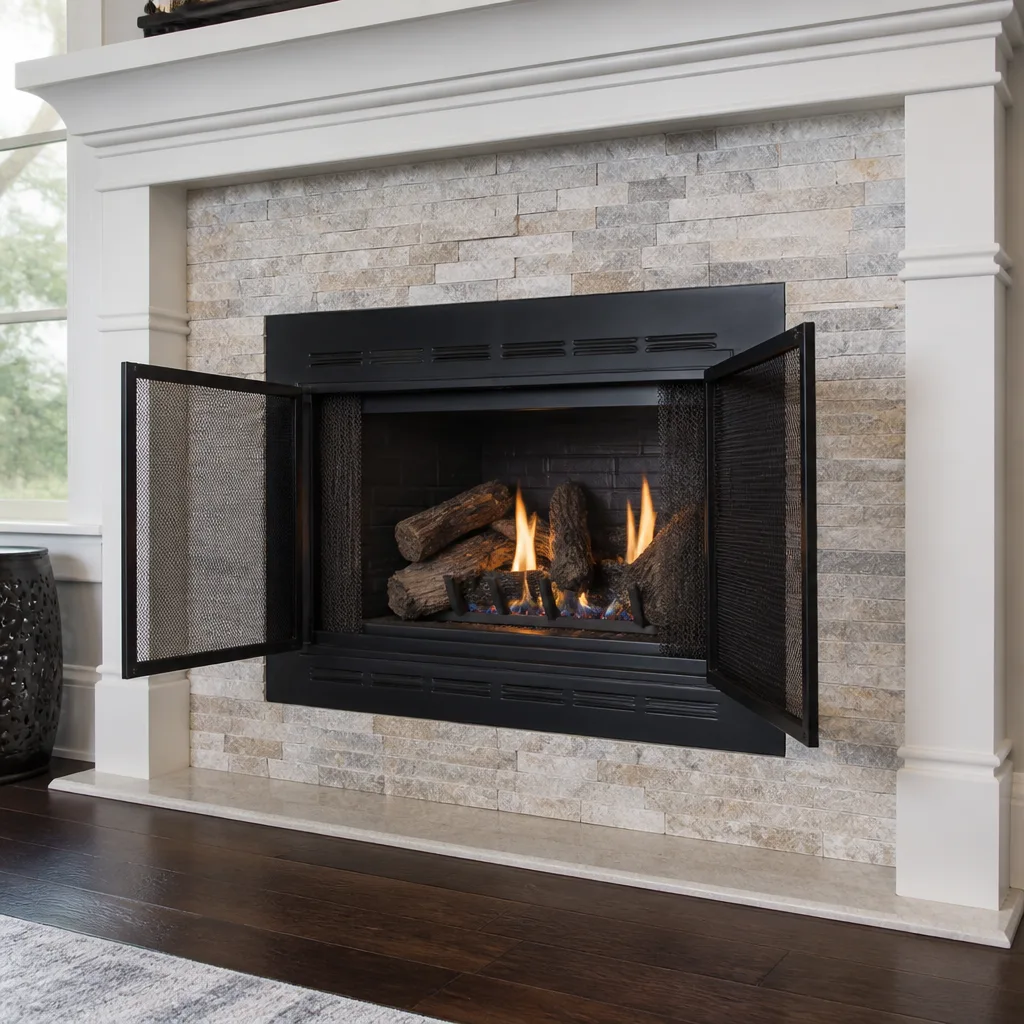 Gas fireplace service
Level 1 sweep and inspection to the NFPA 211 annual standard - flue, crown, cap, and flashing checked and photographed
Chimney sweep logs do not sweep chimneys. They loosen some creosote - which then falls where a brush and vacuum still have to collect it.
Chimney Sweep Troubleshooting in Donelson: Common Problems and How to Fix Them
A smoky fireplace right after a cleaning doesn’t mean the sweep did a bad job. More often it means you’re looking at a pressure or draft problem that no amount of brushing will solve. That’s the counterintuitive part of chimney troubleshooting: the symptom homeowners notice first (smoke in the room, a weak fire, a smell that won’t quit) is rarely the same thing as the cause. Booking a sweep for a structural issue wastes your money. Ignoring a draft problem because the flue “looks clean” wastes something more important. In this guide we walk through how to tell one from the other, using the specific climate and housing stock here in Donelson, so you know what’s actually wrong before anyone shows up with a brush.
Quick Answer
Most chimney problems in Donelson fall into one of two buckets: flow problems (smoke rollout, weak draft, odors) which are usually caused by negative pressure, a blocked or undersized flue, or a cold stack, and structural problems (staining, crumbling mortar, a damaged liner) which are caused by moisture, age, or heat stress and never fixed by sweeping alone. A cleaning only solves the third, smaller bucket: actual creosote and soot buildup. If your chimney is smoking, staining, or smelling, the right first step is usually an inspection, not a sweep.
Styles & brands we work with
- Sweep & inspection
- Caps & crowns
- Flue relining
- Masonry repair
- Gas fireplace service
Table of Contents
- The Symptom-to-Cause Matrix: What Your Chimney Is Telling You
- Why Donelson Homes Get Negative Pressure (The Stack Effect)
- What You Can Check Yourself and What Needs a Camera
- Masonry Spalling vs. Flue Liner Damage: Two Different Failures
- When a Level 2 Inspection Is the Right First Step
- Moisture, Caps, and Crowns: The Quiet Cause of Most Repairs
- Creosote, Smoke, and What Actually Needs Sweeping
- How the Repair Path Works, Start to Finish
The Symptom-to-Cause Matrix: What Your Chimney Is Telling You
The single biggest mistake in chimney troubleshooting is lumping every problem under “the chimney’s dirty.” A dirty flue is one cause among many, and often not the cause at all. Here’s how we map symptoms to their real roots. When you can name the symptom precisely, you save yourself a wasted service call and get to the right fix faster.
- Smoke rolling back into the room when you light a fire: Usually a pressure problem (negative pressure in the house) or a flue that’s too short, too cold, or blocked near the top. Occasionally it’s a closed or partly closed damper. Seldom a simple soot issue.
- A fire that draws slowly or struggles to catch: Often a cold flue that needs priming, an undersized flue for the firebox opening, or a partially obstructed flue. In Donelson’s shoulder seasons, cold-stack behavior is common on first light.
- Persistent smoky or creosote odor even when there’s no fire: Frequently a downdraft from an uncapped or poorly capped flue, or negative pressure pulling air down the chimney. A missing cap lets weather and debris in and odors out.
- White or brown staining on exterior masonry: Water. This is a moisture-management problem, usually a failed crown, cracked mortar joints, or a missing cap letting rain in.
- Crumbling, flaking brick faces on the exterior: Spalling from freeze-thaw cycling and moisture intrusion, not soot.
- Soot streaks above the firebox or on the hearth: Could be a smoke-rollout pattern, an oversized firebox, or a poorly sealed damper. Worth an inspection to trace.
- A metallic or oily smell during and after a fire: Usually hot creosote or a liner that’s being stressed by heat. Both deserve a professional look before the next fire.
Notice how few of those symptoms point to “needs sweeping.” That’s the point. The fix for smoke rollout is a draft and pressure diagnosis. The fix for staining is moisture control. The fix for odors is often a cap. Only a handful of genuine problems trace back to creosote buildup, and even then, the buildup has to be bad enough to narrow the flue. In our experience in Donelson, a large share of “my chimney needs sweeping” calls turn out to be a draft or structural issue that a cleaning wouldn’t have touched.
Why Donelson Homes Get Negative Pressure (The Stack Effect)
Here’s a cause most chimney pages never mention: the stack effect, and how a Middle Tennessee climate makes it worse. A chimney works because warm air rises out of the top while cooler air is drawn in at the firebox. That works only if the house isn’t fighting it. When your home is tighter than the chimney expects, the house pulls air down the flue instead of letting it rise, and you get smoke in the room, a weak fire, or a steady cold draft coming down even when nothing’s burning. That’s negative pressure.
Donelson homes are prone to it for a few reasons. Many of the neighborhoods here, from the older brick ranches near the airport corridor to the postwar homes along the Lebanon Pike side of town, were built with chimneys sized for the houses of their era. Add modern weatherstripping, new windows, insulation upgrades, and tightly sealed doors, and you’ve essentially made the house air-tight without changing the chimney. The chimney becomes the easiest path for replacement air, so it pulls downward. The result is a fireplace that smokes after a remodel or a window replacement even though nothing about the chimney itself changed.
Donelson’s climate adds another wrinkle. Our winters swing hard between mild and genuinely cold, and the transition between the two happens fast. On a mild evening the flue and the outdoor air can be nearly the same temperature, so the stack has little thermal lift to work with. A fire struggles to establish draft, then smokes. On a cold night the same chimney may draw fine. This is why a homeowner sometimes reports that the fireplace “only smokes sometimes.” It’s not random. It’s the stack effect responding to temperature.
How to tell if negative pressure is your problem
- Light a small fire and watch. If smoke rolls out at the top of the opening before the fire is established, pressure or a cold flue is the likely culprit.
- Crack a window near the fireplace an inch or two. If the smoke clears and the fire draws noticeably better, the house is starving the chimney for air. That’s a pressure diagnosis.
- Check for competing exhaust. A kitchen hood, a bathroom fan, or a dryer running can pull air from the same house and turn the chimney into an intake. Try turning them off and relighting.
- Note the outdoor temperature. If the problem only shows up on mild days or during weather transitions, cold-stack behavior is in play.
What you’re really testing for is whether the chimney can get the air it needs. If it can’t, the fix isn’t a sweep. It’s a conversation about make-up air, damper management, cap selection, or flue sizing, which is exactly the kind of thing an inspection should surface. The right cap and a properly sized flue can change how a Donelson fireplace behaves more than a cleaning ever will.
What You Can Check Yourself and What Needs a Camera
Not every check requires a technician, and knowing which is which keeps you from paying for a visit you don’t need or skipping one you do. There’s a real line between “safe to look at yourself” and “stop and call someone.”
DIY-safe diagnostics (eyes and hands only)
- Visual smoke test: Light a small, smoky fire (or a rolled newspaper) and watch whether smoke rises cleanly up the flue or rolls into the room. This tells you about draft behavior.
- The cracked-window draft check: described above. Cracking a window a bit is a legitimate pressure test and costs nothing.
- Look up the flue from the firebox with a flashlight: You can see obvious soot buildup, a visible obstruction, or a damper that’s stuck. You can’t see past the first bend, and you can’t judge a liner’s condition this way.
- Check the outside of the chimney: Look for cracked mortar, a crumbling crown, missing cap, or staining from the ground with binoculars. This is safe and genuinely informative.
- Check the cap and spark arrestor for visible debris: Leaves, twigs, and bird nests at the top are visible from the ground with a good look.
What needs a professional with a camera
A chimney camera lets a technician see the whole flue interior, including the offsets, the smoke chamber, and the top of the liner that nobody can reach with a flashlight. That’s where the important answers live. If your symptoms include staining, a metallic smell, crumbling masonry, a known chimney fire in your home’s past, or a recent remodel or appliance change, those are camera situations, not flashlight situations. The same is true any time you’re being told a big repair is needed. A chimney camera inspection produces a photo or video record you can look at yourself, and that evidence is what separates a real diagnosis from a sales pitch.
We think you should see what we see. Nothing gets recommended without camera evidence you can review, and if the honest answer is that the chimney is fine for now, we’ll tell you that too. That’s the standard a chimney specialist should hold itself to.
Masonry Spalling vs. Flue Liner Damage: Two Different Failures
These two problems get mentioned in the same breath so often that homeowners start treating them as one. They aren’t. They happen in different places, for different reasons, and they take different repair paths. Getting this distinction right is one of the most useful things you can learn from this guide.
Masonry spalling: the outside skin failing
Spalling is what happens when water gets into the brickwork, freezes, expands, and pushes the face of the brick off. You’ll see it as flaking, crumbling, or pockmarked faces on the exterior of the chimney, sometimes with chunks missing at the corners. In Donelson, spalling is common on the top several courses of the chimney and on the crown, because that’s where water sits and where freeze-thaw cycles bite hardest. The failure mode is moisture plus temperature, not heat. A chimney that never has a fire can still spall if it’s getting wet.
The repair path for spalling is structural and moisture-focused: rebuild or replace the damaged brick, repoint the joints, repair or replace the crown, and make sure the top is shedding water properly. That’s where a proper cap and crown matters. We install caps and crowns from dedicated manufacturers like Gelco, Famco, and Copperfield, because a generic hardware-store cap is often the weak link in a moisture-management plan. If you want a real look at that part of the picture, our chimney cap & crown page walks through it.
Flue liner damage: the inside failing
The liner is what protects your house from the heat and byproducts of the fire. Liner damage can be a cracked clay tile, a separated joint, or a failed run that lets heat into the surrounding masonry. The causes are heat stress, moisture, and age, plus sometimes a chimney fire that did more damage than anyone realized. Symptoms include staining inside the firebox, a metallic smell, and a flue that doesn’t draw the way it used to. Liner damage needs a camera inspection to confirm; you can’t judge a liner with a flashlight from the firebox.
When a liner is failing, the question is whether it can be resurfaced or whether it needs relining. Ceramic resurfacing with HeatShield is a repair-first option that can restore a damaged liner without the cost of a full reliner. It isn’t right for every failure, but in the cases where it applies, it’s the kind of decision that saves real money and preserves the original flue rather than replacing it. A full reline, where it’s needed, uses a listed liner system. The point is that the answer depends on what the camera actually shows, not on a rule of thumb.
When a Level 2 Inspection Is the Right First Step
A cleaning is not a diagnosis, and an inspection is not a cleaning. If your symptoms point to structure or draft rather than soot, the correct first step is a Level 2 inspection, which includes a camera look at the flue interior and a full assessment of accessible parts of the system. Booking a cleaning instead of an inspection can mean paying for a service that doesn’t address your actual problem.
Here’s what tends to trigger the “inspect first, don’t sweep first” decision in a Donelson home:
- Smoke in the room, or a fire that won’t draw. You need the draft and pressure story, not a brush.
- A recent home sale, remodel, appliance change, or new flue connection. Anything that changed how the house handles air or how the chimney is used is a reason to look, not just sweep.
- A known or suspected chimney fire in the home’s past. Even a small one can crack a liner or damage the structure without much visible sign.
- Water staining, crumbling mortar, or a crumbling crown. These are structural and moisture findings that need a different scope of work.
- A persistent smell even with no fire. Smells often mean a missing or failed cap, or a pressure issue, both of which an inspection catches.
- Being told a big repair is needed somewhere else. If you want a second opinion, a proper inspection with a camera report is the way to get it, and it’s how you protect yourself from unnecessary work.
When a Level 2 inspection is the right call, it’s because your issue is bigger than soot. In those cases, the cleaning and the inspection can be done in one visit, but the inspection is what drives the plan. If a cleaning is genuinely all that’s needed, we’ll say so and you’ll get a clean sweep, not a sales conversation. Explaining what we find and why it matters before we do anything is how we work.
Moisture, Caps, and Crowns: The Quiet Cause of Most Repairs
Ask what causes most chimney repairs and a lot of people will say fire. In our experience, water does more damage over time. Rain coming down an uncapped flue, melting snow finding its way into a cracked crown, and condensation inside a cold chimney all work on the same bricks and mortar that hold the system together. The result shows up as spalling, crumbling joints, a rusted damper, and staining. In a Middle Tennessee climate where freeze-thaw cycles happen repeatedly through the winter and spring, a small crack that would be harmless in a milder place opens up season after season.
That’s why a cap and a crown aren’t add-ons you get to eventually. They’re the top of the moisture-management plan.
What a proper cap does
- Keeps rain and snow out of the flue, which keeps the liner dry and reduces condensation.
- Keeps leaves, twigs, and nesting animals out, which prevents blockages that cause smoke rollout and draft issues.
- Reduces downdrafts, which helps with the smoky-odor and negative-pressure symptoms we covered above.
- Sheds debris away from the crown, which protects the crown from the freeze-thaw damage it’s most vulnerable to.
What a proper crown does
The crown is the concrete top that sheds water away from the brickwork. When it cracks or was never built with the right slope, water sits on the chimney top and works its way down. A dedicated crown from a manufacturer like Gelco, Copperfield, or Famco is built for this climate’s cycles in a way that poured-in-place or hardware-store solutions often aren’t. Getting the crown right the first time is cheaper than rebuilding the top of the chimney later, and it’s a repair a chimney specialist can handle without bringing in a second contractor.
Creosote, Smoke, and What Actually Needs Sweeping
We’ve been pointing out that not everything is a sweeping problem, so let’s be fair to sweeping. It exists for a reason, and when it’s the right service, it’s a straightforward one. Creosote is a natural byproduct of burning wood, and it builds up in layers over time. The buildup narrows the flue, which affects draft, and at higher concentrations it becomes a fire hazard when a hot fire meets a deposit that’s ready to ignite. Soot builds up too, and both can pile up to the point where the flue is genuinely blocked.
What actually needs sweeping is a flue with meaningful creosote or soot buildup. What doesn’t need sweeping is a chimney whose real problem is pressure, structure, or moisture, no matter how dirty it looks from the firebox. The two questions are separate:
- Does the flue have buildup that’s narrowing it or feeding a fire hazard? If yes, sweep it.
- Is there a draft, structural, or moisture problem driving the symptoms? If yes, address that, and a sweep won’t fix it.
How often a chimney needs sweeping depends on how it’s used, how dry the wood is, and how hard it’s burned, which is why a schedule set by a sweep who knows your chimney beats a generic rule. Burning dry, seasoned wood and keeping the fire hot and clean will slow buildup, and a cap that keeps rain and animals out will prevent the blockages that get mistaken for creosote. When a sweep is the right service, a real sweep looks inside with a camera and tells you what it sees. That’s the difference between a maintenance visit and a guess. If you want the full picture of how that service works, see our chimney sweep page.
How the Repair Path Works, Start to Finish
Knowing what happens when you call takes the guesswork out of it. Here’s the sequence we follow, from first contact to the final decision on what, if anything, needs doing.
- We talk through your symptoms first. Smoke, staining, smell, a weak fire, a recent remodel, or a known chimney fire all point in different directions. That conversation shapes what we look at.
- We inspect with a camera and document what we find. You get a photo report you can look at yourself, so you’re working from evidence, not a verbal diagnosis.
- We explain what’s wrong and what it will take to fix. We separate the immediate problem from the maintenance items and are clear about which is which.
- We tell you when work can wait. If a finding is minor and won’t get worse this season, we say so. If it needs to be handled before the next burn, we say that too, and why.
- We price the job in writing. Pricing is set per job by the written estimate, and the estimate is free, so you can decide with a real number in front of you.
- We do the repair with the right materials for the job. Depending on what we find, that can mean a cap and crown, a liner resurface with HeatShield, a fireplace repair, or a full chimney repair. One company, one point of accountability, from inspection through repair.
That single-company path matters because it removes the finger-pointing that happens when the person who inspected isn’t the person who repairs. When the same team diagnoses and fixes, there’s no gap where a problem gets lost. It also means the diagnosis is made in context, by people whose whole job is chimneys, rather than a generalist who sweeps on the side and may miss a structural clue. If you want to see how the whole operation fits together, the main Chimney Sweep Donelson page lays it out, and if the problem turns out to be inside the firebox itself, our fireplace repair service is where that gets handled.
Common Mistakes to Avoid
- Assuming every chimney problem is a sweeping problem. As this guide has shown, most symptoms trace back to pressure, structure, or moisture, not soot. Booking a cleaning for a draft issue is money spent on the wrong service.
- Skipping the cracked-window test before calling. It’s free, and it tells you whether negative pressure is in play. In Donelson’s tightly-sealed homes, a two-minute pressure check often explains a whole season of smoky evenings.
- Letting a missing or failed cap go through the rainy season. Rain down an open flue is the leading cause of the moisture damage that shows up later as spalling and a cracked crown. A cap is the cheapest preventative on the chimney.
- Treating spalling and liner damage as the same thing. They need different repairs from different parts of the system. Getting one fixed doesn’t fix the other, and diagnosing them separately is how you avoid paying twice.
- Accepting a big repair estimate without camera evidence. If you’re being told you need a new liner or masonry work, you should be able to see what the technician sees. No camera report, no proof of the problem.
- Assuming a fireplace that smokes on mild evenings is broken. In a Middle Tennessee climate, a flue that struggles on a cool spring evening may draw perfectly on a cold night. That’s the stack effect, not a defect, and it changes how you manage the fire.
- Burning wet or unseasoned wood to “get through the season.” Damp wood makes more creosote, which shortens the time between sweeps and stresses the liner. Dry, seasoned wood is the simplest thing you can do to keep buildup in check.
See the difference
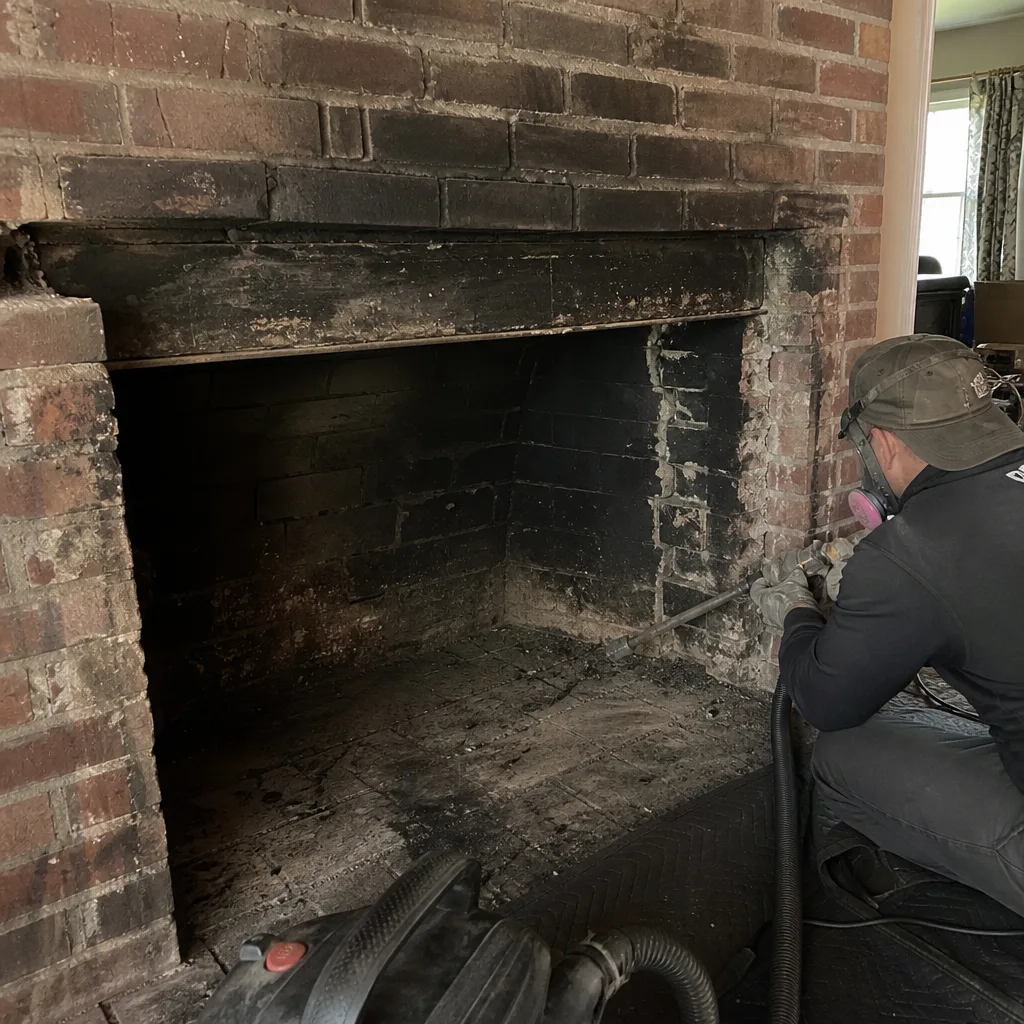 Before
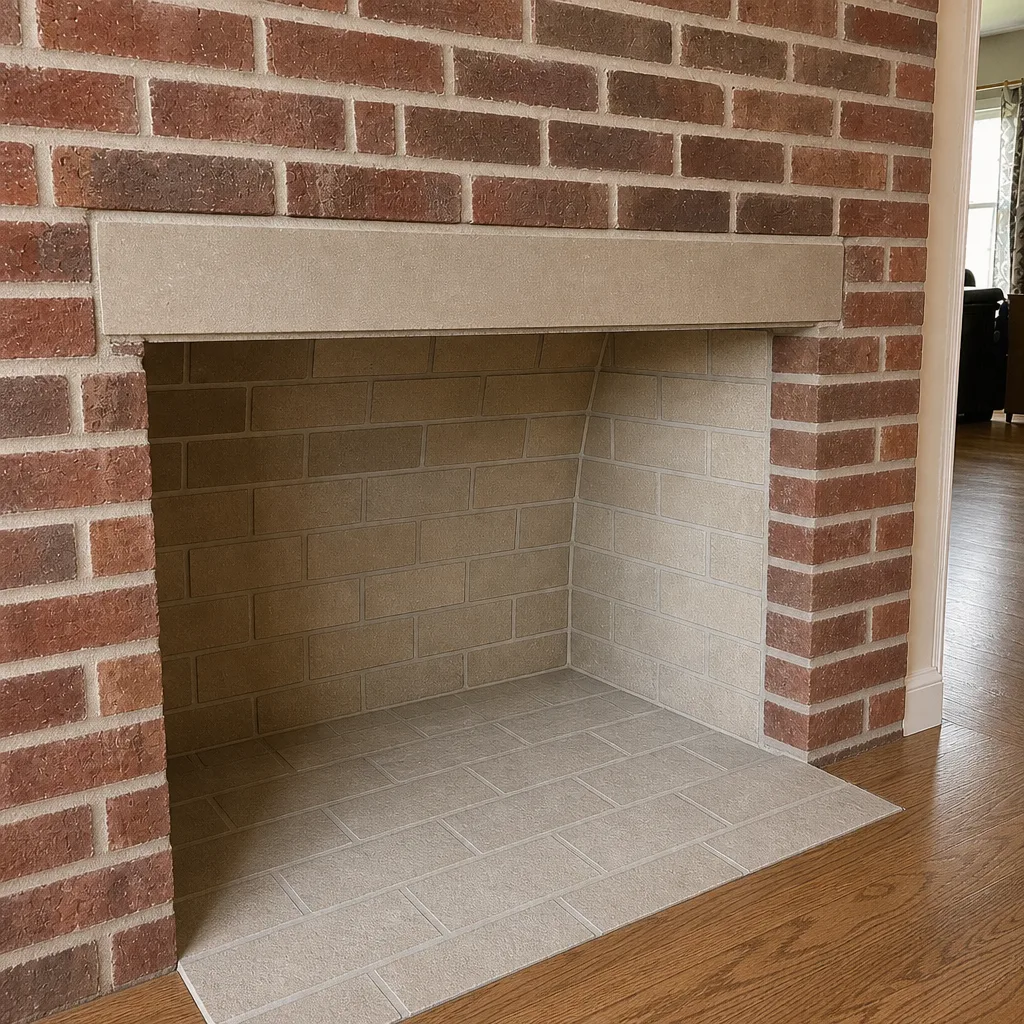 After
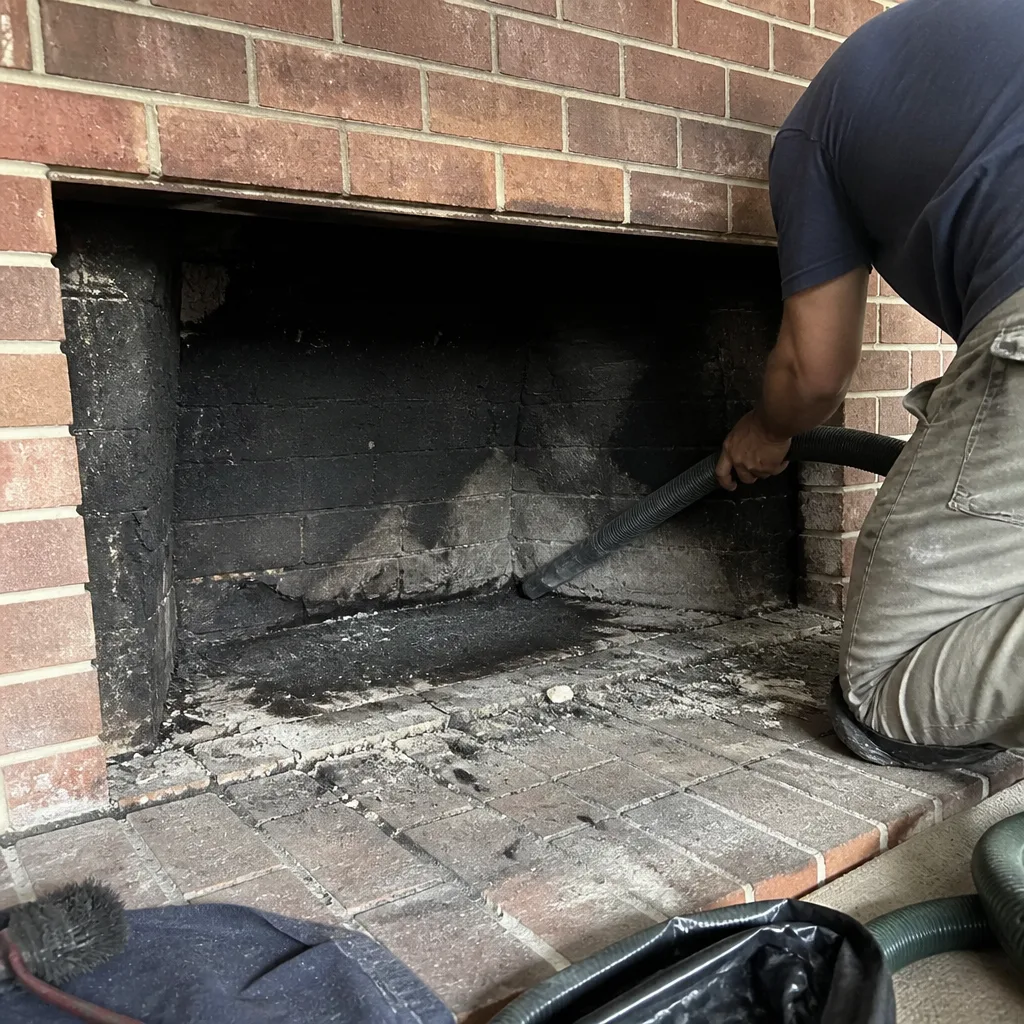 Before
 After
 Before
 After
When to Call a Professional
Call a professional when a symptom is structural or safety-related, not cosmetic. That means smoke rolling into the room, a fire that won’t draw after a window check, staining on or inside the chimney, a metallic or oily smell with fire, crumbling masonry, a missing or damaged cap, or a home that’s had a remodel, appliance change, or a chimney fire in its past. It also means calling when you’re about to buy or sell a house and need a real inspection, or when someone has quoted you a large repair and you want it verified with a camera. What you shouldn’t do is ignore a symptom because the flue looks clean from the firebox. Chimney Sweep Donelson offers free estimates in Donelson. Our technicians have up to 8 years of experience, and every recommendation comes with camera evidence you can review. Call (855) 337-0795.
Frequently Asked Questions
It usually means the problem is pressure or draft, not soot. A cleaning removes buildup inside the flue, but if the house is pulling air down the chimney (negative pressure), if the flue is cold or undersized, or if the cap is damaged, the fire will still smoke no matter how clean the flue is. Try the cracked-window test to check for negative pressure, and if that clears the smoke, book an inspection rather than another cleaning. Call (855) 337-0795 for an exact quote – estimates are free.
If your only symptom is routine soot and creosote buildup with a fire that draws fine, a sweep is the right service. If your symptoms include smoke rollout, staining, odors, crumbling masonry, a suspected chimney fire, or a recent remodel or appliance change, an inspection with a camera should come first. An inspection diagnoses; a sweep cleans. Book the right one and you save a step. Call (855) 337-0795 for an exact quote – estimates are free.
The stack effect is the movement of air caused by temperature differences, and it’s what makes a chimney draw. In Donelson’s tightly-sealed homes and swingy Middle Tennessee climate, the chimney can become the easiest path for replacement air, which pulls smoke downward instead of up. That’s why a fireplace may smoke on a mild evening and draw fine on a cold night. It’s a pressure problem, not a cleanliness one, and a cap, make-up air, or a properly sized flue addresses it. Call (855) 337-0795 for an exact quote – estimates are free.
There’s no single schedule that fits every home. It depends on how often you burn, how dry your wood is, and how the chimney is used, so the interval should be based on what a technician sees inside the flue, not a generic rule. Burning dry, seasoned wood and keeping the cap in good shape slows buildup and stretches the time between sweeps. Call (855) 337-0795 for an exact quote – estimates are free.
Often yes, when it’s caught early. Spalling is usually concentrated at the top of the chimney and on the crown where water sits, so a repair that replaces the damaged brick, repoints the joints, and rebuilds the crown correctly can solve it without a full rebuild. What decides the scope is how deep the damage goes and whether the brickwork beneath is sound. A camera and an exterior look settle that question. Call (855) 337-0795 for an exact quote – estimates are free.
Insist on camera evidence you can see for yourself. A liner problem can only be confirmed by looking inside the flue, and a proper inspection produces a photo or video report of what’s found. If a technician recommends relining or resurfacing and can’t show you why, get a second opinion before committing. When a resurface with HeatShield is the right fix, it can restore the liner without the cost of a full reline, which is why the diagnosis matters as much as the repair. Call (855) 337-0795 for an exact quote – estimates are free.
The Bottom Line
Most chimney problems in Donelson aren’t dirty-chimney problems. They’re draft problems, pressure problems, moisture problems, or structural problems, and each one has a different fix. The three questions to ask yourself before you call anyone: is there smoke or a weak fire (pressure or draft, get an inspection), is there staining or crumbling masonry (moisture or structure, get an inspection), or is it just routine buildup on a fire that draws fine (a sweep is the right call). When you can name the symptom, you can name the service. And when you do need help, the same company should inspect, explain, and repair, with camera evidence you can review. Bring your symptom to the call and you’ll get the right service the first time. Call (855) 337-0795. We answer 24/7. Fast dispatch from 7am to 7pm.
To see the full scope of what a chimney specialist covers, start with Chimney Sweep Donelson and book the visit that matches your symptom.
Written by the team at Chimney Sweep Donelson.