
Last updated November 24, 2026
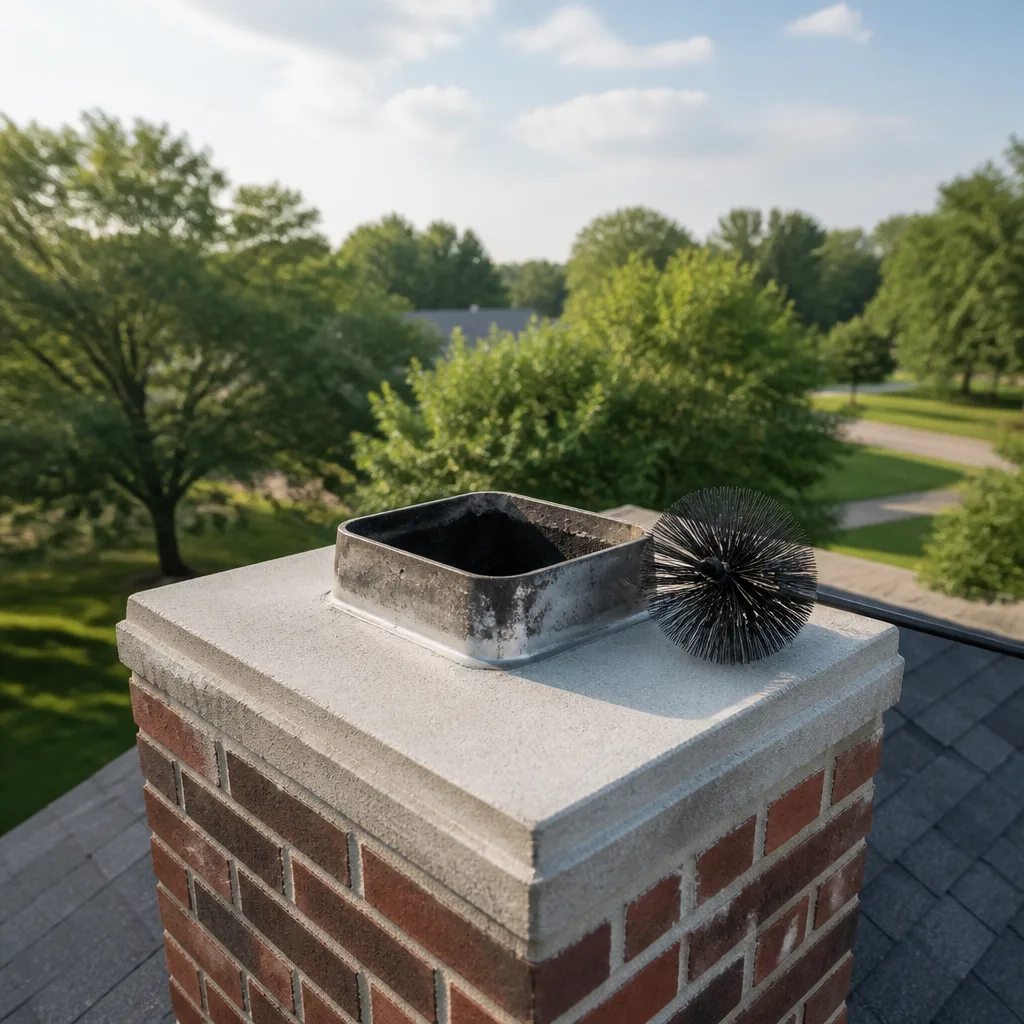 Sweep & inspection
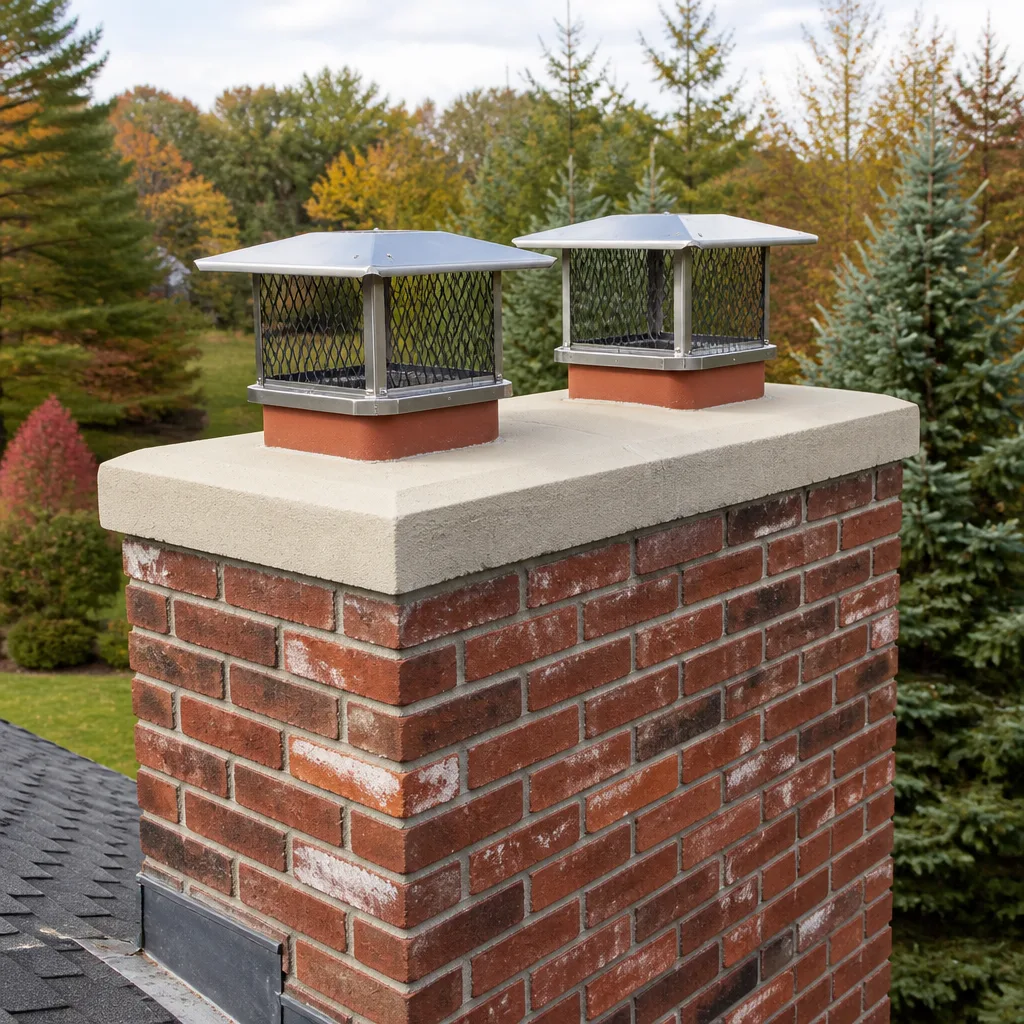 Caps & crowns
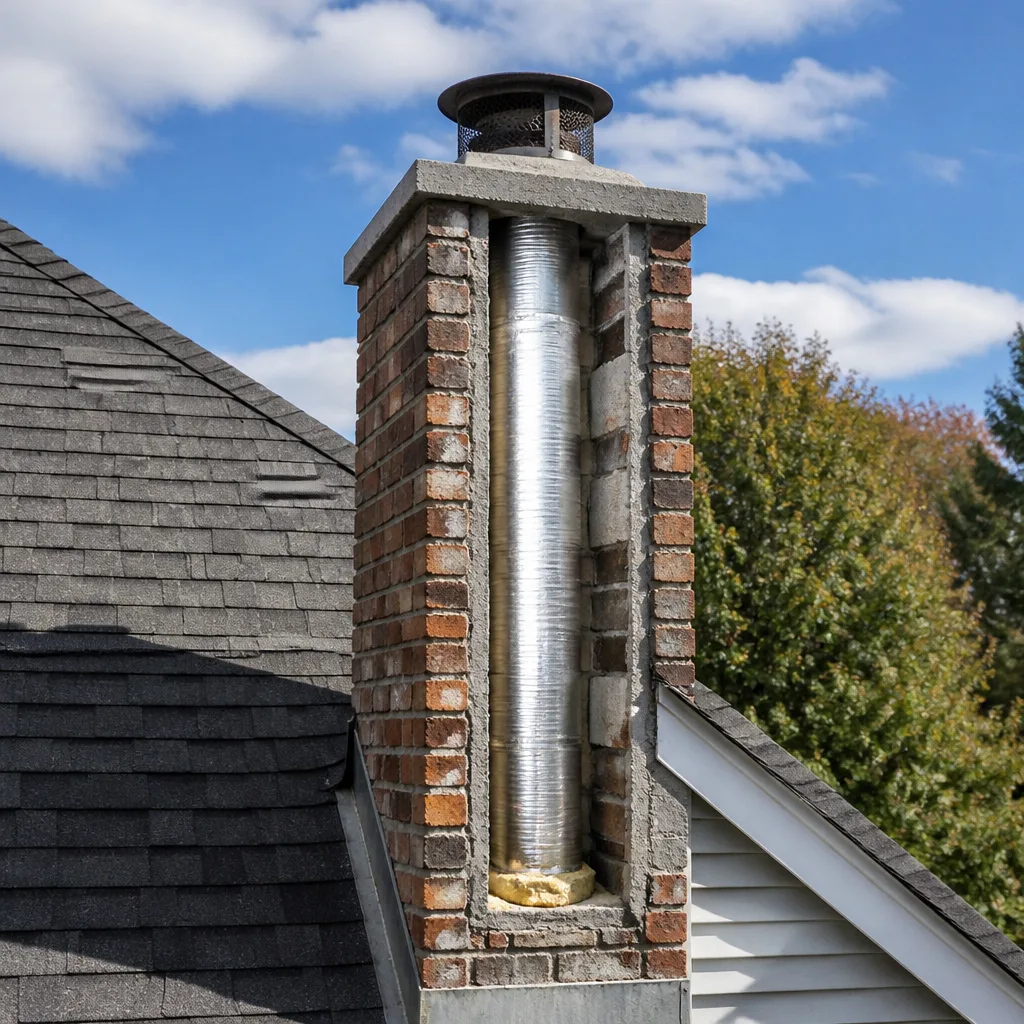 Flue relining
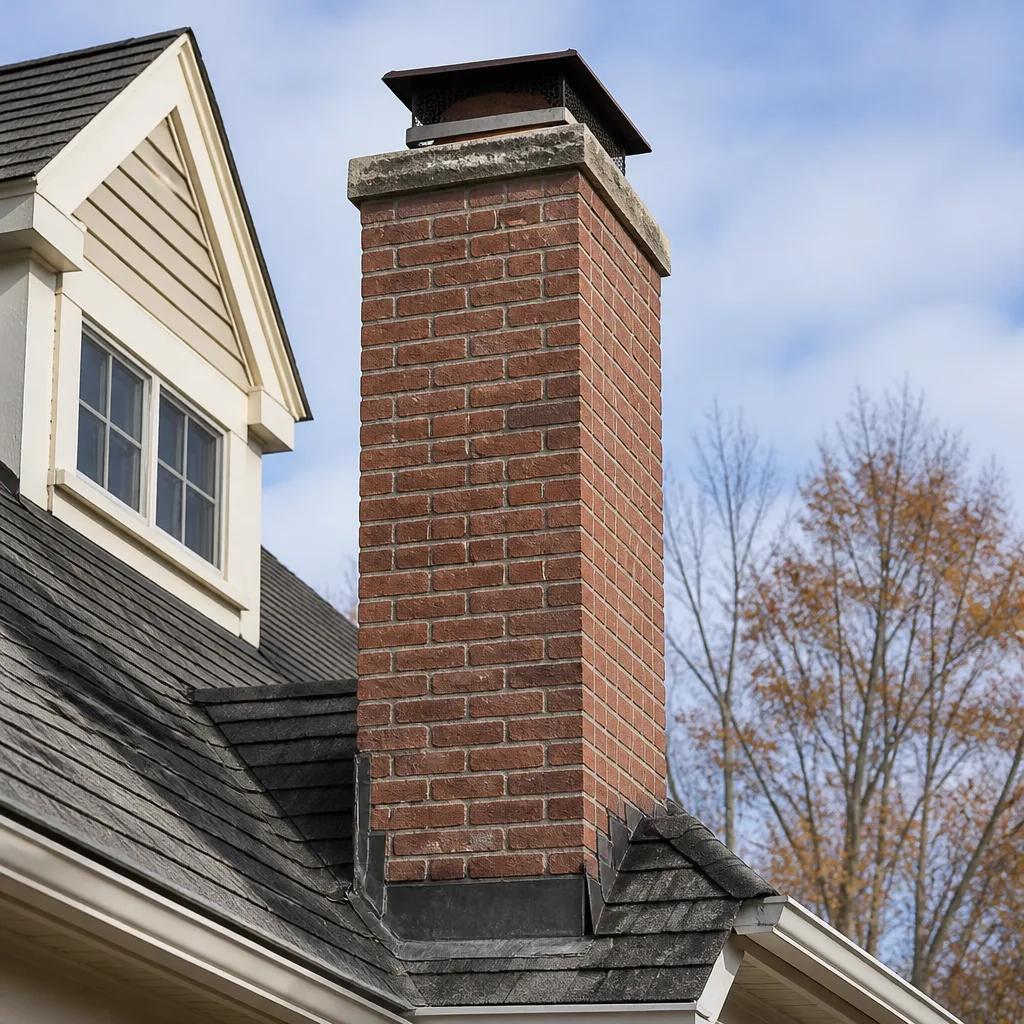 Masonry repair
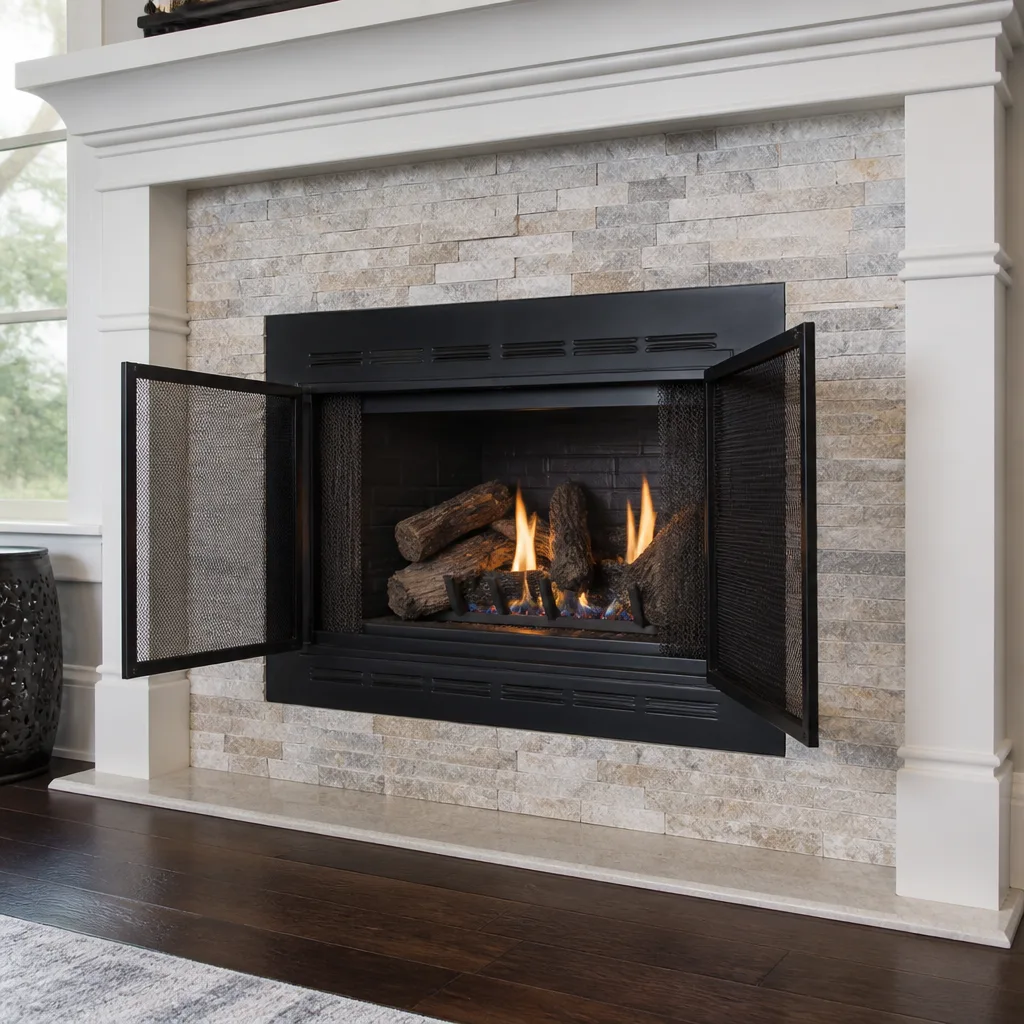 Gas fireplace service
Level 1 sweep and inspection to the NFPA 211 annual standard - flue, crown, cap, and flashing checked and photographed
Chimney sweep logs do not sweep chimneys. They loosen some creosote - which then falls where a brush and vacuum still have to collect it.
DIY vs Professional Chimney Cleaning: The Donelson Homeowner’s Decision Guide
Most homeowners assume the DIY-or-professional question is about skill. It isn’t, not mostly. It’s about access and liability. A chimney brush, a set of rods, and a drop cloth run roughly $80 to $120 at any hardware store, and if your flue holds light creosote and nothing else is wrong, that’s a reasonable investment. The problem starts when you’re halfway up a ladder, or halfway through the flue, and you find a cracked clay tile you can’t fix, a failed damper you can’t reach, or a nest packed into an offset you can’t see. At that point you have a half-cleaned fireplace, no professional on hand to finish the job, and a household that can’t safely burn until someone qualified takes over. This guide lays out the conditions that make a DIY sweep sensible in Donelson, the ones that don’t, and how to tell which camp you’re in before you buy anything.
Quick Answer
Professional chimney cleaning is the safer default for most Donelson homeowners, especially in two-story houses, on steep roofs, or where the flue hasn’t been inspected recently. A DIY sweep is reasonable only when you have a single-story home, an accessible roof pitch, a wood-burning fireplace that was professionally cleaned within the last two seasons, and no known structural issues. If any of those four conditions fails, book a professional sweep instead of a brush kit.
Styles & brands we work with
- Sweep & inspection
- Caps & crowns
- Flue relining
- Masonry repair
- Gas fireplace service
Table of Contents
- Why This Is an Access and Liability Question, Not a Skill Question
- The Three Conditions That Make DIY Chimney Cleaning Reasonable
- What a Legitimate DIY Chimney Cleaning Actually Requires
- The Mid-Job Discovery Problem
- Why Gas Fireplace Flues Should Never Be DIY Cleaned
- The Four Conditions That Mean Professional-Only
- What Partial DIY Looks Like: Prep Yourself, Sweep Professional
- Donelson Chimney Context: Climate, Housing, and Seasonal Timing
Why This Is an Access and Liability Question, Not a Skill Question
Run a brush up a flue and you’ll remove creosote. That part isn’t complicated, and anyone with decent balance and a willingness to get dirty can do it. What separates a routine DIY sweep from a job that goes wrong is what happens after the brush comes down.
In our experience, the calls that start with “I tried to clean it myself” almost always involve something unexpected. A cracked flue tile that the brush widened. A birds’ nest lodged in a smoke chamber that the homeowner couldn’t see or reach. A damper that was jammed and now won’t close. A crown crack that lets water in every time it rains in Donelson. None of these are brush-work problems. They’re inspection and repair problems, and they require a trained eye already on site.
A professional chimney sweep is doing two jobs at once: cleaning and inspecting. The cleaning is only half the value. The other half is that a trained technician recognizes a problem the moment it appears, knows whether it’s safe to keep burning, and can fix it in the same visit. That’s what you’re really paying for, and it’s what a homeowner with a brush and a YouTube tab can’t replicate mid-job.
There’s also a liability piece worth naming plainly. If a DIY sweep leads to a chimney fire later in the season, that’s a claim your insurer may push back on. A professional chain chimney sweep gives you a documented record of the condition of the flue and what was done about it. In Donelson, where mature neighborhoods mean plenty of chimneys that have seen fifty or more seasons of use, that record matters.
The Three Conditions That Make DIY Chimney Cleaning Reasonable
A homeowner can reasonably clean their own wood-burning chimney when three conditions line up. Miss any one of them and the risk starts climbing faster than the savings.
- You can get on the roof safely. A single-story ranch with a low pitch and a stable roof surface is manageable. A two-story with a steep pitch, questionable shingles, or an interior chimney routed through a chase is not. Ladder safety alone sends people to the emergency room every season, and DIY chimney cleaning isn’t worth a broken hip.
- The chimney has been professionally cleaned within the last two seasons. If a technician has looked at the flue recently, you know what you’re dealing with. If it’s been four or five seasons since anyone looked, you don’t know the condition of the tiles, the smoke chamber, or the crown, and a DIY sweep is a blind job.
- There are no known structural issues. No cracked tiles, no spalling mortar joints, no damaged crown, no history of chimney fires, no water intrusion. If any of that’s on the record, a professional needs eyes on the flue before anyone runs a brush through it.
When all three hold true, a homeowner with stage 1 creosote, a straight flue, and a wood-burning fireplace can do a decent job. The work is messy and it takes a full afternoon, but it’s within reach.
Wood-burning versus other appliance types
Those three conditions apply specifically to wood-burning fireplaces. Gas inserts and gas log sets have different failure modes (more on that below), and oil or pellet appliances introduce soot and byproduct issues that don’t match wood-burning cleaning procedure. If your Donelson home has anything other than a straight wood-burning setup, the DIY case falls apart.
What a Legitimate DIY Chimney Cleaning Actually Requires
Most online tutorials leave out half the equipment. A brush on a pole is the visible part of the job. The invisible part is what protects your house from the soot coming down.
Here’s what a genuine DIY attempt needs:
- Enough rods to reach the full flue height. A 12-foot flue needs 12 feet of rods, plus a little margin. Most kits come short. Measure from the firebox floor to the top of the flue before you buy anything.
- A brush sized to the flue, not to the firebox. Round brushes match round flues. Square brushes match square flues. A mismatched brush either won’t clean or will damage tiles.
- A HEPA-rated vacuum, not a shop vac. Creosote and soot particles are fine enough to pass through a standard shop-vac filter and settle across the room. A HEPA vacuum is the minimum for indoor containment.
- A proper firebox seal. Plastic sheeting taped across the fireplace opening is what keeps the rest of the room clean, and this is exactly the step tutorials skip. Tape the plastic tightly, leave a slit for the rod, and accept that soot will find the one gap you didn’t tape.
- Drop cloths and a respirator. Not dust masks. A proper respirator rated for fine particulates.
- A flashlight and a mirror, or a camera. You need to see the flue after the sweep, not just assume it’s clean.
Add those items up and the “cheap” DIY path lands closer to a couple hundred dollars before you’ve touched the flue. That’s still less than a professional cleaning, but the gap narrows once you include the tools a homeowner won’t use again for years.
The Mid-Job Discovery Problem
This is where the DIY decision actually falls apart, and it’s the scenario most guides ignore. You’ve taped the plastic, run the brush up, brought it down twice, and now you’re looking up the flue with a flashlight. You see something.
Common mid-job discoveries a homeowner can’t safely address:
- A crack in a clay flue tile, sometimes several, often near an offset or at a joint where the brush has dislodged loose mortar.
- A missing or damaged damper that no longer seals and needs replacement before the next burn.
- A bird or squirrel nest packed into a smoke shelf or offset, far enough up that no brush will reach it.
- A cracked or spalling crown at the top of the chimney, letting water into the flue structure.
- A deteriorated mortar joint between tiles, showing daylight through the chimney wall.
- Glazed, stage 3 creosote that a brush won’t remove no matter how hard you scrub.
At that moment, a homeowner faces three bad options: keep going and hope, stop and burn anyway (which isn’t safe), or stop and call a professional who now has to finish a half-cleaned job. A professional sweep never faces this problem because the discovery and the fix happen in the same visit, by the same technician, under one company’s accountability.
In our experience working in Donelson, mid-job discoveries are most common in homes built before the 1980s with original clay liners. Those chimneys have had decades of heating cycles, and it’s not unusual to find a tile that’s cracked or a joint that’s given way. A chimney repair team expects that and has the materials on hand. A homeowner doesn’t.
Why Gas Fireplace Flues Should Never Be DIY Cleaned
A gas appliance flue is not the same job as a wood-burning flue, and the DIY case disappears entirely. Wood-burning chimneys fail loudly. Gas appliance flues can fail quietly, and the failure mode is carbon monoxide in the living space.
The specific risk is heat exchanger damage. On a gas insert or gas log set, the flue carries combustion byproducts up and out. If the flue or venting is disturbed, partially blocked, or damaged during a DIY cleaning, the products of combustion can back-draft into the room instead of venting outside. Because carbon monoxide is colorless and odorless, a homeowner who’s done a DIY cleaning and lit the fireplace has no way to know until symptoms appear. That’s a genuine safety issue, not a marketing talking point.
There’s a second, quieter problem: gas fireplace cleaning involves the burner assembly, the pilot, the thermocouple, and the heat exchanger itself, none of which are safely reachable by a homeowner with a brush. The cleaning a gas fireplace actually needs is different from the cleaning a wood-burning fireplace needs, and a wood-burning CHIMNEY brush has no business anywhere near it.
If you’re in a Donelson home with a gas insert, book the cleaning as a professional job. Add a carbon monoxide detector on each floor if you don’t already have one – that’s the right call regardless of who sweeps the chimney.
The Four Conditions That Mean Professional-Only
If any one of the following is true, book a professional sweep. Don’t negotiate with this list.
- The chimney is on a two-story or steeper roof pitch. Ladder and roof safety alone justifies the cost. No cleaning is worth a fall.
- You don’t know the last time a professional inspected the flue. If there’s no record of a recent inspection, a homeowner is cleaning blind. That’s the opposite of safe.
- There’s a known structural issue or history of chimney fire. Cracks, spalling, water intrusion, a past fire event, or visible glaze inside the firebox all mean the flue needs eyes on it before a brush goes in.
- You have a gas appliance, an oil appliance, or a pellet appliance. None of these types of chimney systems are safe to DIY clean. The failure modes are different and quieter than wood-burning, and carbon monoxide is the risk that matters.
Notice that “I could probably manage it” doesn’t override any of these. Skill isn’t the deciding factor. Access, inspection, and liability are. If a professional sweep in Donelson confirms the chimney is in good shape after the cleaning, you’ll know the flue is safe and documented. That’s the piece a brush-and-hope approach can’t deliver. Our technicians have up to 8 years of experience and know exactly what a Donelson chimney from every era of construction looks like on the inside.
What Partial DIY Looks Like: Prep Yourself, Sweep Professional
The middle path is where most homeowners land once they’ve weighed the options. It saves real money, and it doesn’t require buying any equipment you won’t touch again.
Here’s what the split looks like:
- Homeowner prep: Clear the firebox of ash, remove the grate and log set, move furniture and rugs back at least six feet, tape a drop cloth down, confirm the damper opens fully, and note anything unusual you’ve seen while burning (smoke rolling into the room, a smell you can’t place, difficulty starting fires).
- Professional sweep: The actual flue cleaning, the camera inspection (if included), the report, and the diagnosis of anything found.
- Homeowner follow-up: Decide on any recommended repairs once you’ve seen the evidence, and schedule them for the right season.
This split respects the DIY instinct without putting anyone on a ladder. It also keeps the professional sweep focused on the flue itself, which is where the real work happens.
What to prepare the day before
- Remove all ash from the firebox using a metal scoop and a metal bucket. Wait at least 48 hours after the last fire, and longer if the ash feels warm.
- Take out the grate, the andirons, and any gas log set (on wood-burning units).
- Move any furniture, rugs, and decor at least six feet back from the hearth.
- Test the damper to confirm it opens and closes fully, and note whether it seals.
- Note any symptoms from the last burn season: smoke in the room, ash on the mantel, a persistent smell, difficulty drafting.
A sweep coming into a prepared firebox spends its time on the flue. A sweep cleaning around furniture spends it on prep, and that costs you the same either way.
Donelson Chimney Context: Climate, Housing, and Seasonal Timing
Donelson isn’t a harsh-climate chimney market, but it’s not a gentle one either. The local pattern that matters is wet winters followed by hot, humid summers, and a heating season that runs roughly from late October into March. That cycle does specific things to masonry chimneys.
Wet winters drive water into any crack in the crown, the mortar joints, or the flue tiles. Repeated freeze-thaw cycles – not the deep freezes of northern climates, but plenty of nights that drop below freezing and thaw by mid-morning – widen those cracks year over year. By summer, the humidity sitting on a masonry chimney’s exterior keeps the masonry damp long enough for spalling to start. A crown crack that would sit quietly in a dry climate causes real damage in Donelson over a few seasons.
That’s why a proper chimney cap & crown installation matters more in Donelson than the typical homeowner realizes. A cap keeps rain, birds, and debris out of the flue between burn seasons. A sound crown sheds water off the top of the chimney instead of letting it soak into the masonry below. Both are repair-first moves that extend the life of the chimney without a full reliner.
Housing stock adds another layer. Donelson has a lot of mid-century ranches and older brick homes with original clay tile liners. Those liners are serviceable but not immortal, and a technician who’s seen the local housing stock knows what to look for in a 1960s-vintage flue that a homeowner wouldn’t think to check. That’s a real reason to choose a chimney-only company over a generalist – the specialist has seen the same era of construction dozens of times and knows the failure patterns by heart.
On the material side, we work with HeatShield for ceramic liner resurfacing, which restores a cracked liner rather than replacing it, and with DuraFlex stainless liners when a full reline is actually necessary. Choosing between repair and replacement is a decision made after looking at the flue, not before. A cap or crown from Gelco, Famco, or Copperfield is what we typically install when the top of the chimney needs new protection. Those are the same trade-grade brands working chimney professionals use across the country, not hardware-store substitutes.
For Donelson homeowners, the timing that matters is the stretch from late summer into early fall, before the first cold snap sends everyone into the same booking queue. A sweep in September is a routine job. A sweep the week the weather turns cold is a job done in a hurry.
Common Mistakes to Avoid
- Buying a brush kit sized to the firebox instead of the flue. Firebox opening is not flue size. Measure the flue before you buy, or ask a professional to confirm it when they clean.
- Sweeping on a windy day. Wind pushes soot back down the flue and across the room. In Donelson, where fall weather flips quickly, this is a real risk for a DIY job that has to happen on an unscheduled afternoon.
- Using a shop vac instead of a HEPA vacuum. Fine soot particles go straight through standard filters. Homeowners who use a shop vac end up with a thin film of soot on every surface in the room.
- Skipping the firebox seal. Plastic sheeting taped across the fireplace opening is the single most important piece of containment. Most tutorials leave it out entirely.
- Cleaning a gas insert flue with wood-burning equipment. Different appliance, different procedure, different risk. Carbon monoxide is the failure mode here, not a smoky room, and there’s no odor to warn you.
- Doing a DIY sweep after a chimney fire. A past fire means the flue may already be compromised. A brush can turn a compromised flue into a dangerous one. Book a professional inspection first.
- Ignoring the crown. The crown is the top of the chimney, and it’s the piece most likely to be cracked in Donelson. Sweeping without looking at the crown is only half a job, whether you do it or we do.
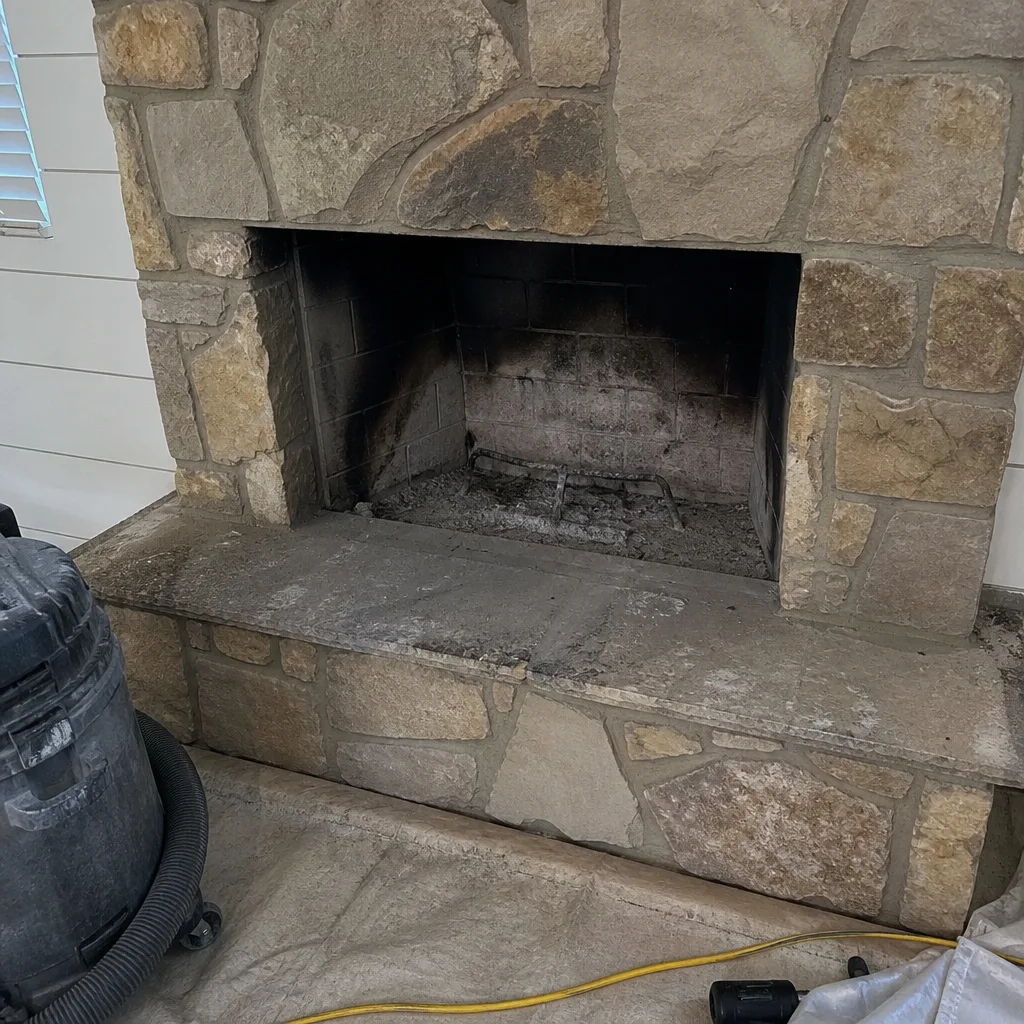
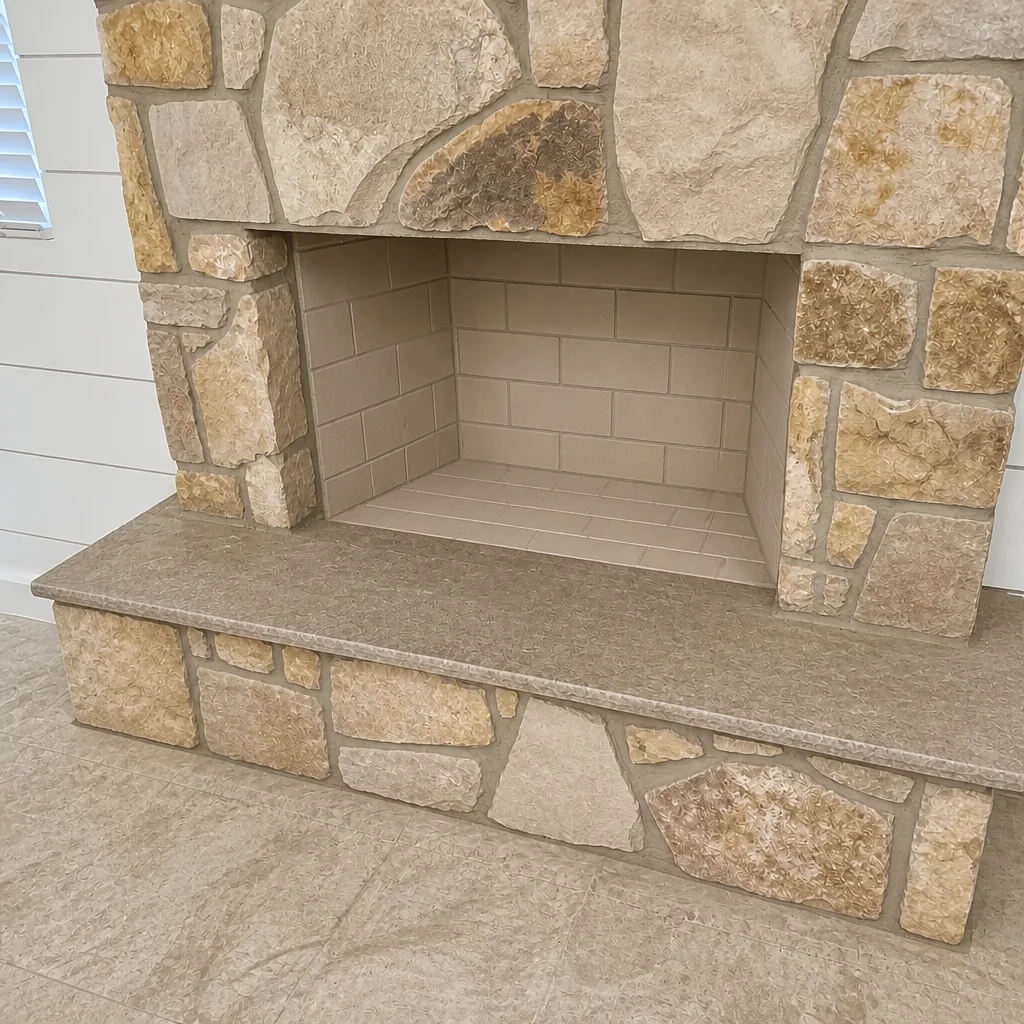
See the difference
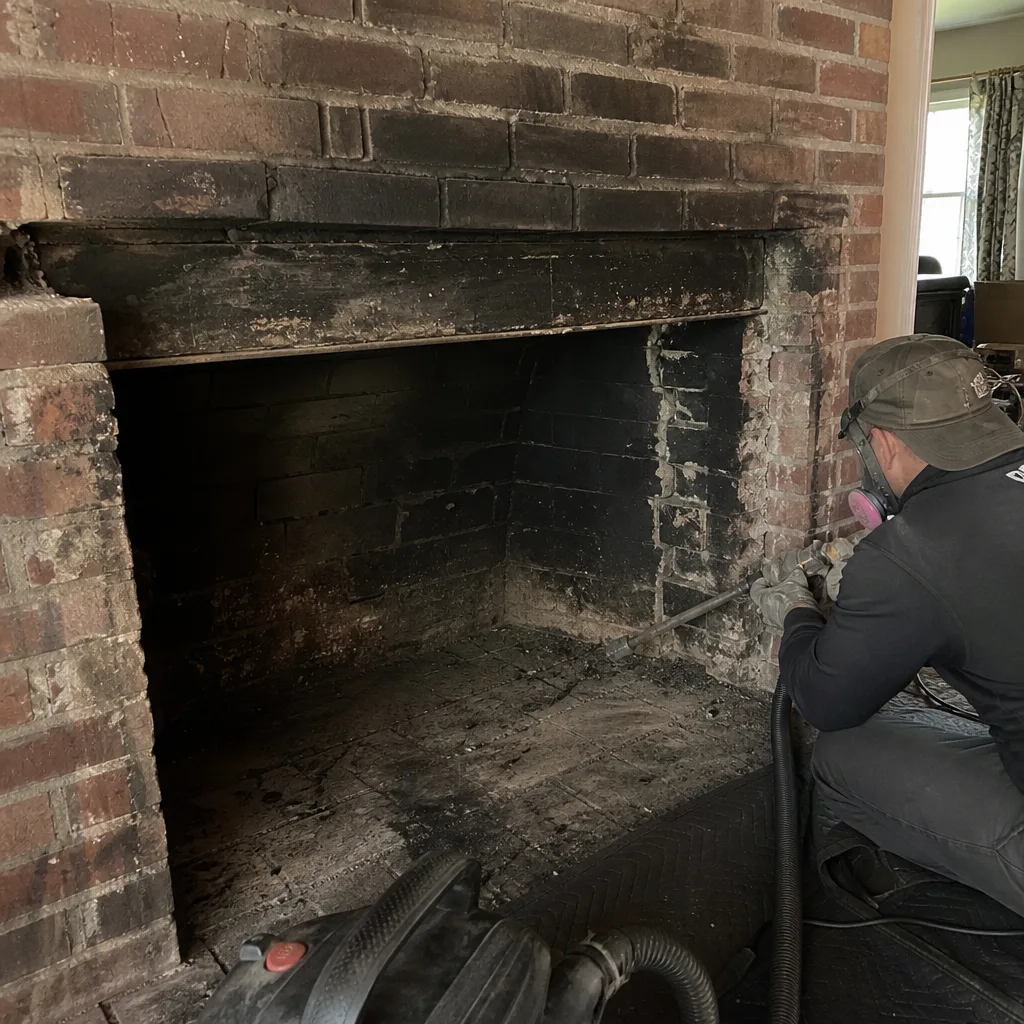 Before
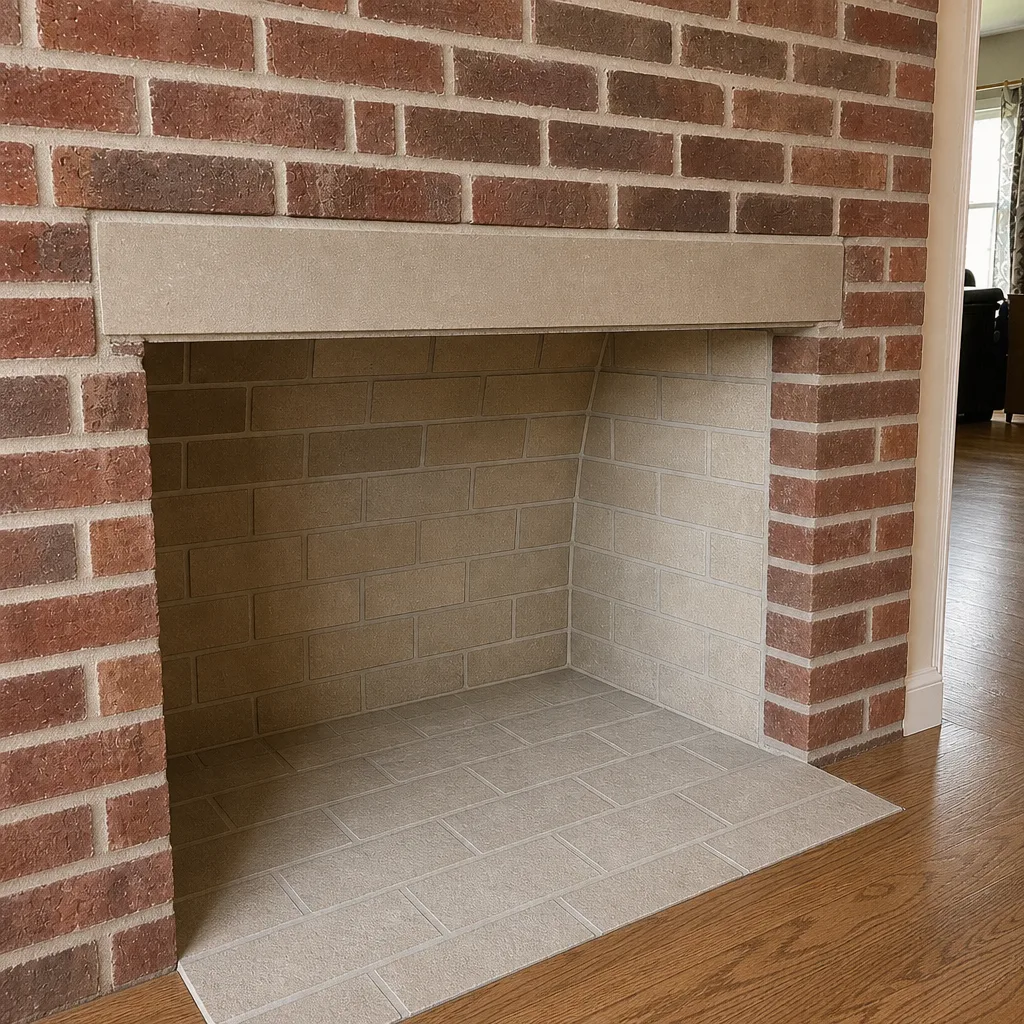 After
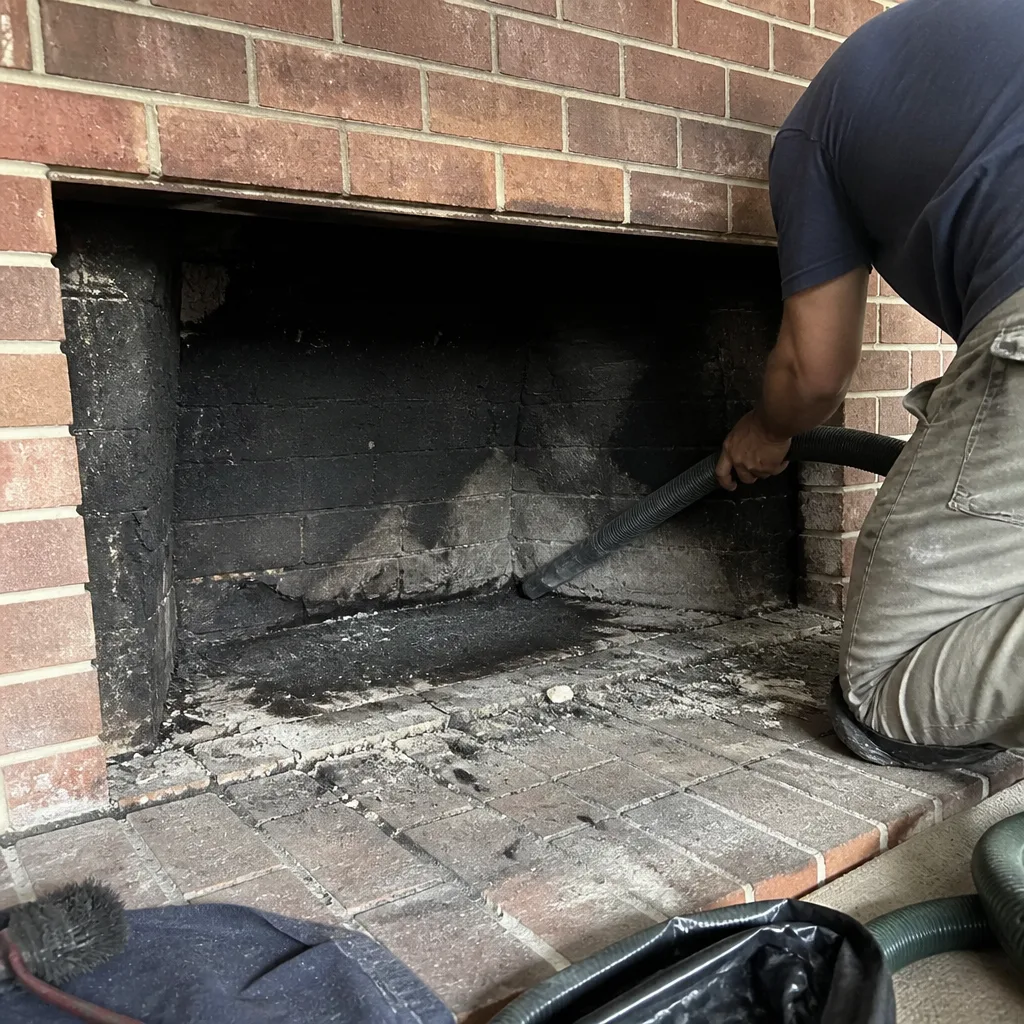 Before
 After
 Before
 After
When to Call a Professional
Call a professional sweep if any of these describe your situation: the chimney sits on a two-story home or a steep roof pitch; the last professional cleaning was more than two seasons ago; there’s a known crack, spalling, water intrusion, or history of chimney fire; you burn gas, oil, or pellets; you’re seeing smoke roll into the room or smelling chimney odor between burns; or the crown needs inspection (which it does, every year). For Donelson homeowners in any of those categories, DIY is not the right call this season. Chimney Sweep Donelson offers free estimates in Donelson, and our technicians work with the full chimney from the firebox to the cap. Call (855) 337-0795 to book an estimate. We answer 24/7. Fast dispatch from 7am to 7pm, Sunday through Friday.
Frequently Asked Questions
Most wood-burning chimneys in Donelson need sweeping once a year, usually at the end of the burn season or in early fall before the heating season starts. If you burn heavily through the winter, or if a professional finds creosote building faster than expected, twice a year may be the right rhythm. A chimney-only specialist will tell you what your specific flue needs after a cleaning and inspection, rather than quoting a one-size schedule. Call (855) 337-0795 to book a sweep before the fall queue fills up.
Yes, in a narrow set of circumstances: a single-story home, an accessible roof pitch, a wood-burning fireplace, a professional cleaning within the past two seasons, and no known structural issues. If all five hold true, a homeowner can reasonably run a brush through the flue. But the moment a business owns a mid-job discovery that requires a repair, the case for DIY collapses. In our experience, most Donelson homeowners can’t honestly check all five boxes, and the ones who can usually still prefer to hand the job off once they weigh the time and the mess.
Creosote builds up in layers with every burn, and the accumulation becomes flammable at stage 2 and stage 3. A chimney fire is the outcome, and chimney fires damage the flue in ways that aren’t always visible from the firebox. A blocked or damaged flue also sends smoke and carbon monoxide back into the living space instead of up and out. Skipping the sweep doesn’t save money in the long run. It postpones a repair that gets more expensive each season it waits. Call (855) 337-0795 for a free estimate if your chimney hasn’t been cleaned in over a year.
No. Gas fireplace flues require a trained technician because the failure mode is carbon monoxide back-drafting into the living space, and there’s no visible or olfactory warning when it happens. Cleaning a gas insert involves the burner assembly, the heat exchanger, and the venting, none of which are safe for a homeowner to touch with wood-burning equipment. If you have a gas fireplace in Donelson, book the cleaning as a professional job and make sure you have working carbon monoxide detectors on each floor. Call (855) 337-0795 to schedule a sweep.
A typical chimney sweep in Donelson is priced as a fixed-fee job by written estimate, so the cost depends on the flue height, the home’s roofline, and whether an inspection and camera report are included. We don’t quote a flat number before seeing the chimney, and we don’t surprise you after the work is done. The estimate is free, and the price is set per job by the written estimate. Call (855) 337-0795 for an exact quote. Estimates are free.
Book a professional inspection and repair before the next burn season. A cracked crown lets water into the flue structure, and in Donelson’s wet winters that water drives freeze-thaw damage into the masonry. The right fix depends on the extent of the crack, which is why we install caps and crowns from dedicated manufacturers rather than patching with generic sealant. Repairing the crown early extends the life of the chimney without a full reliner. Call (855) 337-0795 to schedule an inspection. Estimates are free.
The Bottom Line
The DIY vs. professional question really comes down to access and liability. A homeowner with a single-story home, an accessible roof, a straight wood-burning flue cleaned recently by a professional, and no structural issues can reasonably run a brush through it. Every other case tips toward calling a professional, especially gas appliances, two-story homes, flues that haven’t been inspected in years, and any chimney with a known problem. The cost of a professional sweep is smaller than most homeowners expect, the estimate is free, and the value is what happens when something turns up mid-job and a trained technician is already on site to handle it. Chimney Sweep Donelson handles the full chimney from the firebox to the cap – cleaning, inspection, fireplace repair, cap and crown work, and structural chimney repair – under one company and one point of accountability. If you want a Chimney Sweep Donelson team to look at your flue before the season starts, call (855) 337-0795. We answer 24/7. Fast dispatch from 7am to 7pm, Sunday through Friday.
Written by the team at Chimney Sweep Donelson.