
Last updated November 24, 2026
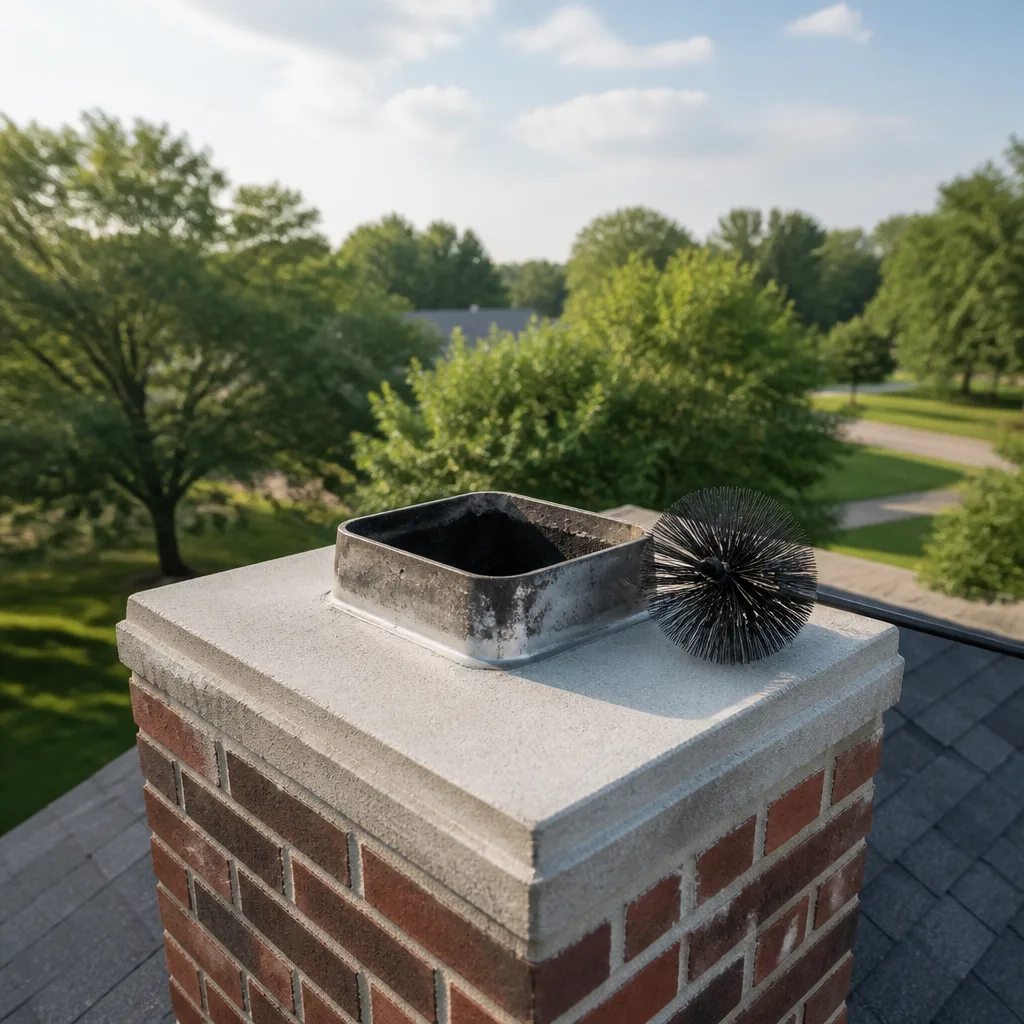 Sweep & inspection
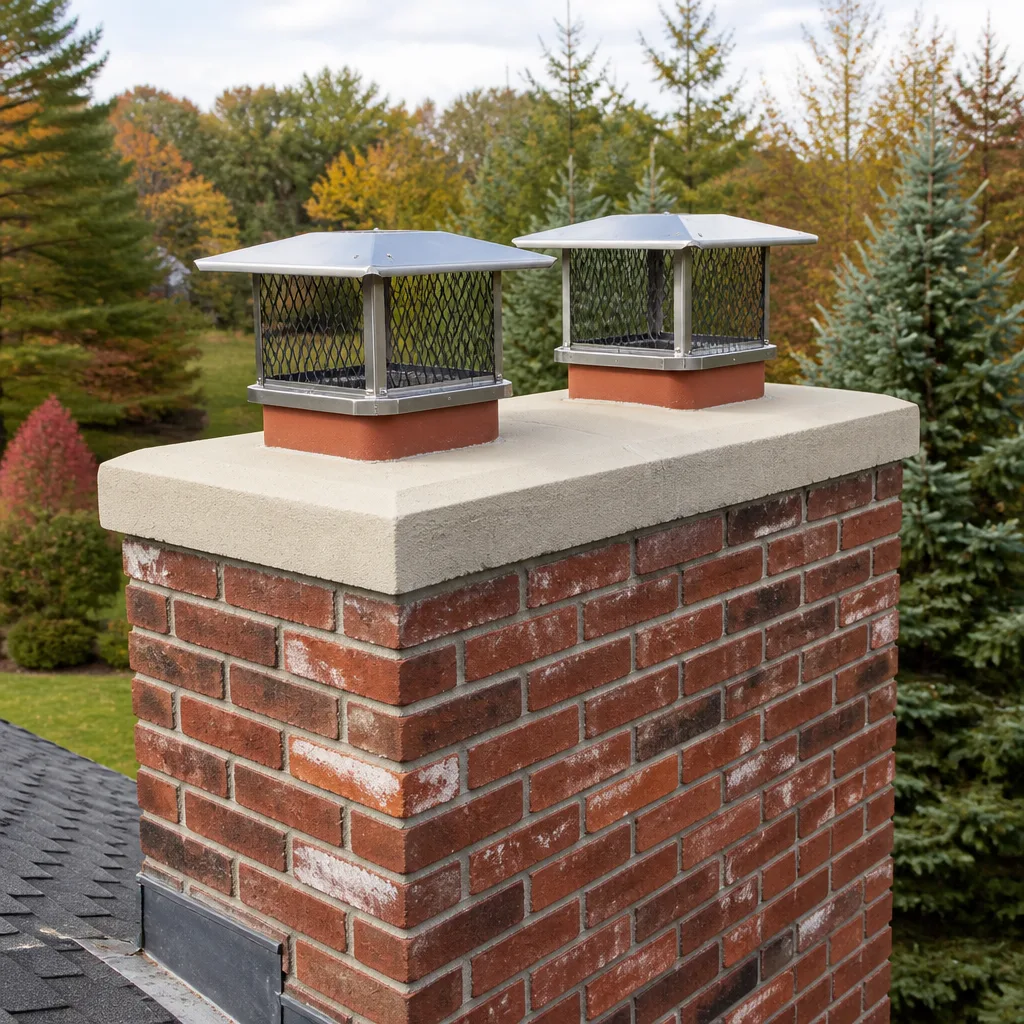 Caps & crowns
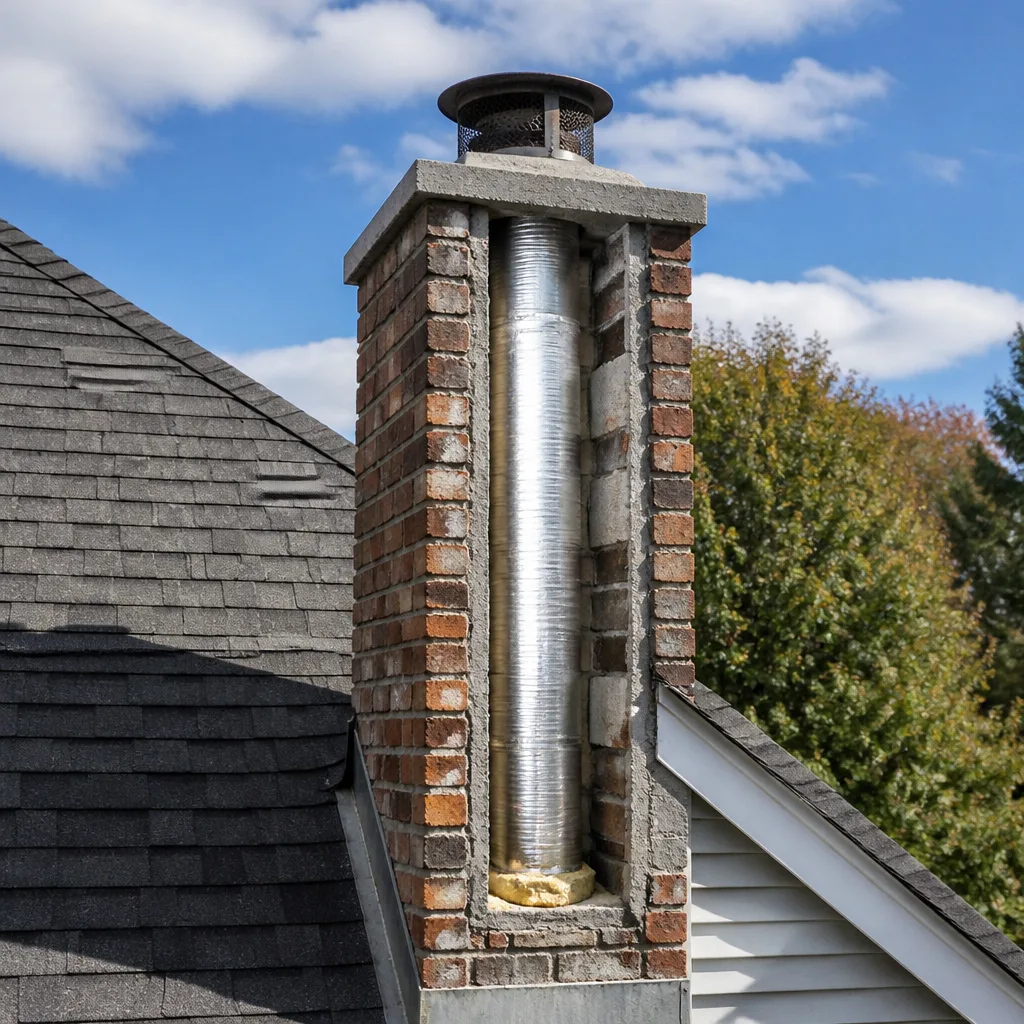 Flue relining
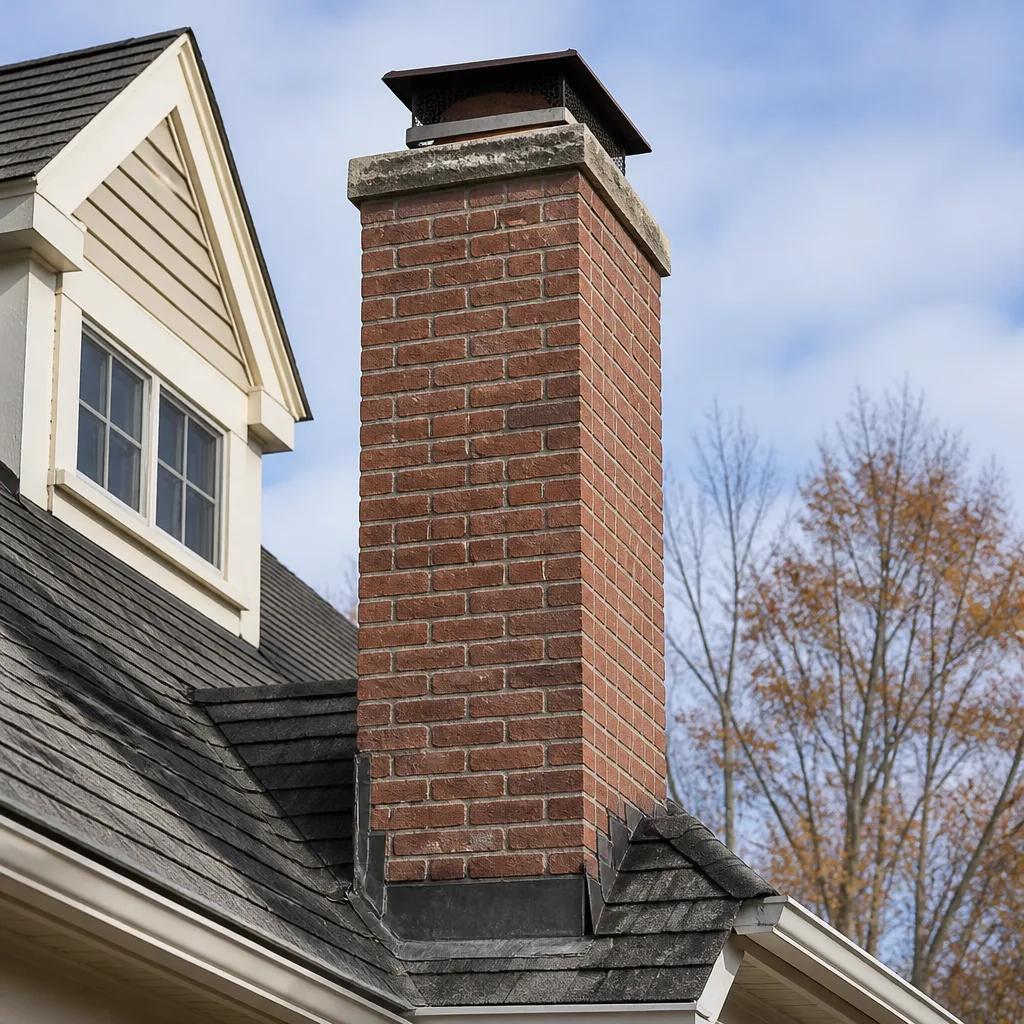 Masonry repair
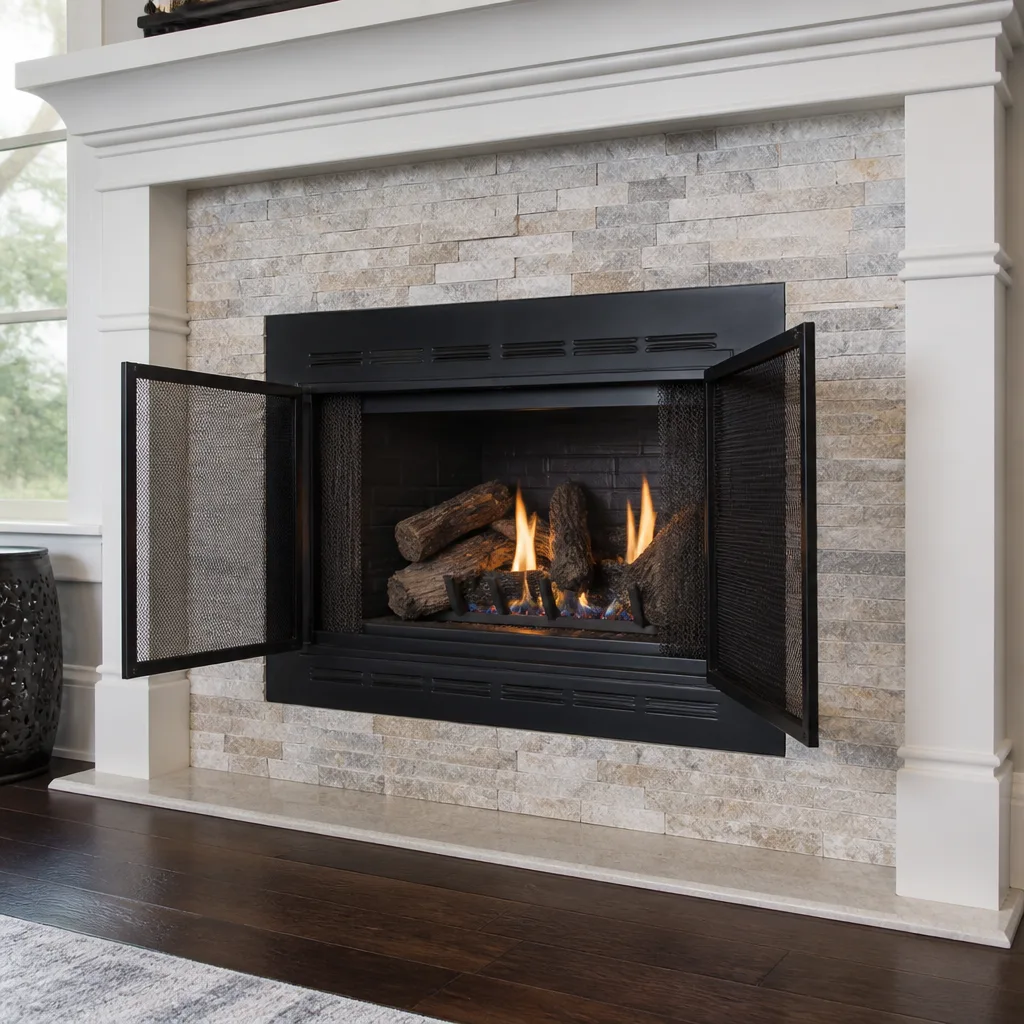 Gas fireplace service
Level 1 sweep and inspection to the NFPA 211 annual standard - flue, crown, cap, and flashing checked and photographed
Chimney sweep logs do not sweep chimneys. They loosen some creosote - which then falls where a brush and vacuum still have to collect it.
Seasonal Chimney Cleaning Care for Donelson: Year-Round Homeowner’s Guide
The chimney damage Donelson homeowners discover in October usually didn’t happen in October. It happened during a July thunderstorm or a February freeze-thaw cycle that went unnoticed for months. The heating season is just when the evidence finally becomes visible – the crack in the crown, the spalling brick, the stainless liner rusted at the seams. Middle Tennessee’s climate doesn’t punish chimneys with sustained cold the way northern states do. It punishes them with variety: humid summers, hard freezes that arrive and retreat within days, and spring storm systems that hammer Davidson County with wind and driving rain. This guide walks through that seasonal stress pattern one season at a time, so you know what to watch for in Donelson and when to act.
Quick Answer
The correct seasonal schedule in Donelson is a spring post-storm inspection, a summer watch for moisture and animal intrusion, a fall cleaning and inspection before the first fire, and a winter check after hard freezes. Cleaning before the burn season – not after – is the operationally correct sequence, because a dirty flue combined with early-season fires is exactly when creosote ignites. A professional sweep once a year, ideally in early fall, keeps a Donelson chimney safe through all four seasons.
Styles & brands we work with
- Sweep & inspection
- Caps & crowns
- Flue relining
- Masonry repair
- Gas fireplace service
Table of Contents
- Why Donelson’s Climate Stresses Chimneys Differently
- Summer Humidity: Efflorescence, Spalling, and What to Look For
- Winter Freeze-Thaw: The Crack Pattern That Sneaks Up on You
- Spring Storm Season: The Post-Storm Inspection Checklist
- Fall Cleaning: Why Before the First Fire Beats After
- The Idle Chimney: What Happens When a Flue Sits Unused
- The Donelson Seasonal Chimney Calendar
- What You Can Check Yourself and What You Can’t
Why Donelson’s Climate Stresses Chimneys Differently
Donelson sits in a climate band that most chimney guides ignore. It’s not the deep, sustained cold of the upper Midwest, and it’s not the mild, dry warmth of the Gulf Coast. It’s Middle Tennessee – humid summers that hang around for months, winters that swing between mild stretches and sudden hard freezes, and spring storm systems that move through fast and hit hard. Each of those conditions attacks a different part of the chimney.
Summer humidity works on the masonry itself. Months of moist air soaking into brick and mortar drive water into the pores of the chimney structure. When that water migrates to the surface and evaporates, it leaves behind white mineral deposits called efflorescence. That’s the visible warning. Behind it, the freeze-thaw cycle of the next winter turns that trapped moisture into an expanding force that cracks mortar joints and spalls the face of the brick.
Winter freezes here don’t last. That’s the part people underestimate. A sustained cold climate freezes once and stays frozen, which is relatively stable. Donelson gets a hard freeze for two or three nights, then a thaw into the fifties, then another freeze. Every one of those cycles expands and contracts the crown and the mortar. It’s the repetition, not the depth, that does the damage.
Spring storms are the third stressor. Davidson County’s spring systems bring wind-driven rain that finds every gap in a cap or crown, and the wind itself works on loose caps, damaged flashing, and any masonry that’s already compromised from the winter. We see the results of that pattern in Donelson every spring: caps lifted, crowns cracked, and flashing pulled away from the roofline.
None of these threats announce themselves. They develop quietly, and the homeowner finds out in October when the first fire backs up smoke or the firebox smells like damp ash. The seasonal calendar in this guide is built to catch them earlier.
Summer Humidity: Efflorescence, Spalling, and What to Look For
Middle Tennessee’s summer humidity is the single biggest driver of slow chimney decay, and it’s almost entirely invisible from inside the house. Homeowners in Donelson typically don’t look at the outside of their chimney between April and October, which means the season that does the most structural work is the season nobody’s watching.
Here’s what’s happening while the air conditioner runs. Warm, moist air moves into the brick and mortar. The chimney’s masonry is porous by nature, and without a functioning cap and a sound crown, water enters freely. When the humidity drops or the sun hits the chimney, that moisture evaporates and pushes minerals to the surface. The result is efflorescence – the chalky white staining that shows up on the upper portions of a brick chimney.
Efflorescence itself is cosmetic. Spalling is not. Spalling is what happens when the moisture cycle repeats enough times that the face of the brick flakes off or the mortar joint crumbles. From the ground, the signs look like this:
- White or gray powdery staining on the brick, especially near the top
- Brick faces that look chipped, flaky, or pitted rather than smooth
- Mortar joints receding between bricks, leaving gaps where the mortar used to sit
- Flakes of masonry or grit on the roof below the chimney
- A crown with visible cracks or a surface that’s pulling away from the flue
Any of those signs mean water is getting in and doing work. In our experience across Donelson, the fix is rarely a full rebuild. It’s usually a crown repair or replacement and a properly fitted cap – the kind of moisture protection that generic hardware-store caps don’t provide. That’s where the trade-grade caps and crowns from Gelco, Famco, and Copperfield come in. They’re built to shed water and hold up to the same seasonal cycle that’s attacking the chimney.
The takeaway for summer: walk outside once a month and look up at the chimney. Ten seconds is enough to catch efflorescence and spalling early, and early is when the repair is small.
Winter Freeze-Thaw: The Crack Pattern That Sneaks Up on You
Donelson winters are inconsistent, and inconsistent is worse for a chimney than steady cold. A freeze-thaw winter means the crown, the mortar joints, and any water-saturated masonry expand and contract repeatedly over the season. Each cycle widens an existing crack a little more. Repeat it twenty times between November and March and a hairline fracture becomes a real opening for water.
The pattern shows up predictably. The crown – the concrete or masonry cap at the top of the chimney – is the most exposed surface and usually the first to crack. Mortar joints in the upper section of the chimney crack and crumble next, because they’re the most exposed to freeze-thaw and the last to dry out. Flashing at the roofline can separate as the metal and the masonry expand at different rates. And any brick that’s already spalled from the summer’s moisture damage gets worse fast.
What to check after a hard freeze in Donelson:
- Look at the crown for new cracks or cracks that grew since fall.
- Check the mortar joints along the upper third of the chimney for crumbling or missing mortar.
- Look at the flashing where the chimney meets the roof for gaps or lifting.
- Check inside the attic for water staining on the chimney’s path through the roof.
- Listen for draft problems and check the firebox for moisture or rust on the damper.
A word on safety here. Watch, look, and photograph from the ground. Do not climb onto the roof in winter to inspect a chimney, and don’t reach into the firebox or flue to check anything. Rooflines are icy, and the flue is full of creosote and soot that you shouldn’t be handling without the right equipment.
When a freeze cracks a crown or opens a mortar joint, the repair is straightforward if it’s caught early – a crown repair, repointing the mortar, or a new cap. Left alone, that same crack lets water in all spring and starts the whole cycle over. That’s the compounding cost of ignoring a winter crack. We repair crowns and rebuild masonry through the winter and spring, and a small repair in January beats a large one in June.
Spring Storm Season: The Post-Storm Inspection Checklist
Spring in Davidson County means storm systems that arrive fast, with wind and driving rain. For a chimney, that’s a stress test. Caps lift or blow off. Crowns crack under a combination of wind load and thermal shock. Flashing separates. Masonry that took a beating over the winter gets the last push it needed to fail.
The right move is a post-storm look at the chimney after any significant wind event. You don’t need a professional for the first pass – you need a pair of binoculars and ten minutes.
The Post-Storm Checklist
- Cap intake. Is the cap still on and sitting level? A cap that’s tilted or missing leaves the flue open to rain, animals, and debris.
- Crown check. Look for new cracks, a crown that’s separated from the flue, or pieces of concrete on the roof.
- Flashing. Check the metal flashing at the roof line for lifting, gaps, or missing sealant.
- Masonry. Look for new spalling, loose bricks, or mortar that’s come out since the last check.
- Roofline debris. Branches, shingles, or grit near the chimney base suggest impact or movement.
- Interior signs. Water stains on the ceiling near the chimney, a damp firebox, or a musty smell in the fireplace all point to a storm-related breach.
Hail is uncommon in this part of Tennessee, so the storm damage we see most in Donelson comes from wind and rain rather than impact. That’s useful to know, because it means the damage pattern is usually gaps, lifting, and water intrusion rather than crushed masonry. Wind and rain find the weakest point and work it.
If the post-storm pass turns up anything you’re not sure about, that’s the moment to get a professional inspection. Water that enters through a storm-damaged crown or flashing and sits in the masonry through the humid summer is the beginning of the same spalling and efflorescence cycle we covered in the summer section. Catching it in April instead of October is the difference between a repair and a rebuild.
Fall Cleaning: Why Before the First Fire Beats After
The single most common sequencing mistake in Donelson chimney care is cleaning after the first season rather than before it. It sounds odd on the face of it – sweep after you’ve burned, clean up the mess. But the correct order is the opposite, and the reason is simple: creosote.
When wood burns, the smoke carries unburned compounds that condense on the inside of the flue as creosote. That deposit builds up over a burn season. A dirty flue going into a new season is a flue with an accumulated fuel load already in it. The very first fire of the year, especially if it’s a hot fire in a cold flue, can be enough to ignite that deposit. A cleaning before the first fire removes the creosote before you introduce a flame.
There’s a second reason too. A fall inspection – done at the same time as the cleaning – catches the damage from the summer and spring before it goes another winter of freeze-thaw. The crack in the crown you didn’t see in August shows up on the fall inspection, gets repaired before the first freeze, and doesn’t get a chance to widen.
The fall schedule in Donelson should look like this:
- Early fall (September-October): Schedule the annual cleaning and inspection. Book ahead – the weeks just before the first cold snap are the busiest of the year for any chimney company, and waiting until the first frost means a longer wait.
- At the cleaning: Have the sweep check the flue, the firebox, the damper, the crown, the cap, and the flashing in one visit. A sweep who also does repairs catches things a cleaning-only crew would miss.
- Before the first fire: Confirm the repairs from the inspection are done, the flue is clear, and the cap is seated.
One more thing about fall. Have you ever had a chimney draw poorly on a cold morning and blamed the wood? A blocked or partially blocked flue, animal nesting, or a damaged cap can all produce the same symptom. A fall inspection catches all of those before they turn into a smoky first fire.
The Idle Chimney: What Happens When a Flue Sits Unused
A fireplace that sat unused all summer isn’t a chimney that’s been resting. It’s a chimney that’s been collecting problems. An idle flue has no fire to burn off moisture, no warm air rising to keep a draft, and no smoke to discourage animals. Three separate issues develop in that quiet.
Animal Intrusion
Birds, squirrels, and raccoons treat an open or poorly capped flue as a safe nesting site. The nest material itself is a fire hazard, and animals can also dislodge masonry or leave droppings that carry health risks. A properly fitted cap is the whole fix – a cap with a mesh screen that closes the opening without blocking the draft. That’s exactly what the trade-grade caps from Gelco, Famco, and Copperfield are designed for. A generic hardware-store cap often doesn’t fit properly or corrodes within a season.
Moisture Trapping
An idle flue is a cool, damp column. Without a fire to dry it out, moisture from humid summer air condenses on the flue walls. That moisture attacks the damper, the firebox mortar, and any metal components. Over a summer, an idle firebox can develop rust on the damper and a damp, musty smell that’s hard to get rid of. A cap and a sound crown are the front-line defense, and an inspection at the end of summer confirms nothing’s developed while the chimney was idle.
Draft Problems
A flue that hasn’t been used in months can lose its draft. Cool, dense air sits in the flue, and the first fire of the season fights that cold plug of air. Sometimes it’s just a slow start. Sometimes it’s a sign of a partial blockage – a bird nest, a fallen piece of masonry, or a collapsed liner. A fall inspection differentiates the two, and it’s worth knowing which before you build the first fire.
The fix for an idle chimney is largely preventive: cap it properly, keep it dry, and check it before you use it again. A chimney that sat all summer is exactly the one that needs the fall cleaning and inspection.
The Donelson Seasonal Chimney Calendar
Here’s the whole year in one place. This is the maintenance rhythm we recommend to Donelson homeowners, and it reflects the local stress pattern rather than a generic national schedule.
Spring (March-May)
- Post-storm exterior inspection after any significant wind event
- Check the cap, crown, flashing, and masonry from the ground
- Note any interior signs of water intrusion
- Book any needed repairs before the humid summer locks in moisture
Summer (June-August)
- Monthly ground-level look for efflorescence and spalling
- Confirm the cap is secure and the crown is sound before the humid months
- No fire in the fireplace usually means no inspection – don’t skip the visual
Fall (September-November)
- Schedule the annual cleaning and inspection before the first fire
- Repoint any mortar and repair any crown cracks found in the inspection
- Confirm the flue is clear and the cap is seated
- Have the damper and firebox checked at the same time
Winter (December-February)
- Check the crown and mortar after any hard freeze
- Watch the firebox for moisture or rust on the damper
- Keep an eye out for poor draft or smoke backing up
- Book winter repairs for crowns and flashing before spring
The reasoning behind the calendar is that each season’s check catches the damage from the season before, before it compounds into the next one. Skip the spring check and the summer humidity works on a cracked crown. Skip the fall cleaning and the first fire works on a creosote-loaded flue.
What You Can Check Yourself and What You Can’t
Some of this is genuinely a homeowner job. A ground-level visual inspection once a season is simple and safe, and it catches a lot of early problems. The rest isn’t. Here’s the honest line between the two.
You can safely do:
- Look at the chimney from the ground with binoculars for efflorescence, spalling, or visible cracks
- Check the crown and cap from the ground for obvious damage
- Smell the firebox for dampness or mustiness
- Check inside the attic for water staining on the chimney’s path
- Look at the flue opening at the top after a storm using binoculars
You should not do:
- Climb onto the roof to inspect or repair anything
- Reach into the firebox or flue to check for blockages or creosote
- Try to sweep the flue yourself with consumer tools
- Attempt crown repair, cap installation, or mortar work on the chimney
- Diagnose a liner or flue problem from inside the firebox
The reason is safety, and it’s not a small reason. A blocked flue lets carbon monoxide back into the house, and creosote in a hot flue is a fire hazard. Roof work at height with a chimney involved is the kind of job where a professional’s training and equipment matter. A sweep also sees things a homeowner can’t – a damaged flue liner, a partial blockage, a crack in the firebox that’s hidden behind the masonry. Our technicians have up to 8 years of experience with exactly that kind of diagnosis. If you’re not sure what you’re looking at, that’s the moment to call.
One more note on the “you can’t” side. If your home has a gas insert or a gas-fired appliance venting through the chimney, the flue carries carbon monoxide, and a cracked or blocked flue is a genuine hazard. Don’t check that yourself. That’s a job for a trained professional.
Common Mistakes to Avoid
- Sweeping after the burn season instead of before. Cleaning after you’ve burned leaves creosote in the flue all summer and into the next season’s first fire. Clean before the first fire.
- Ignoring the summer visual. Efflorescence and spalling show up on the brick in the summer, and the humid months are when water does the most damage. Look up once a month.
- Using a hardware-store cap. A generic cap often doesn’t fit properly and corrodes within a season. It’s a false economy on a chimney that’s exposed to Donelson’s full seasonal range.
- Assuming a mild winter means no freeze damage. Donelson’s freeze-thaw pattern is worse than sustained cold for crowns and mortar. Check after each hard freeze.
- Waiting until the first cold snap to book a fall cleaning. That’s the busiest week of the year, and it means a longer wait and a rush job. Book in early fall.
- Treating the chimney as a cosmetic feature. A chimney is a building system with a moisture, fire, and carbon monoxide dimension. The visible part is only half of it.
- Skipping the fall inspection because the fire “worked fine last year.” The point of an inspection is to find what you wouldn’t notice until it’s a problem. A chimney that worked last year can have a cracked crown this year.
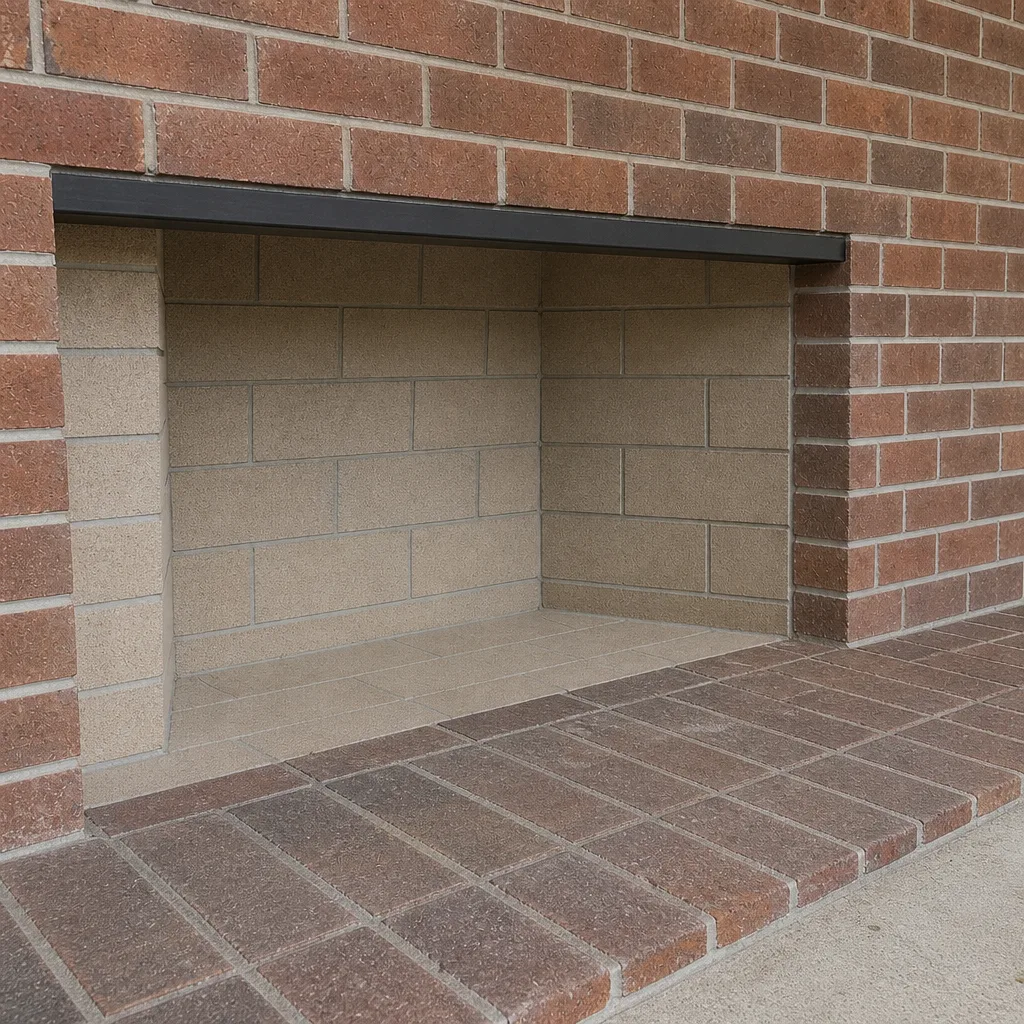
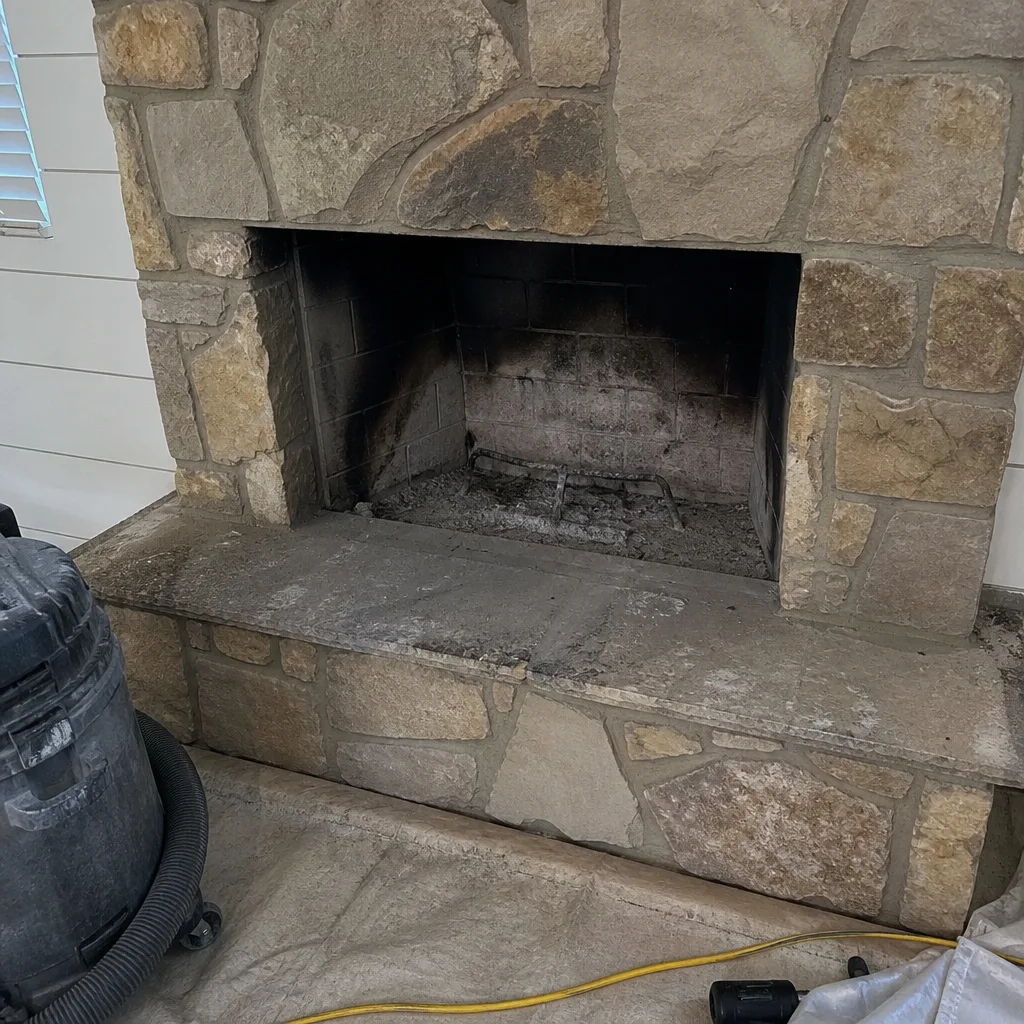
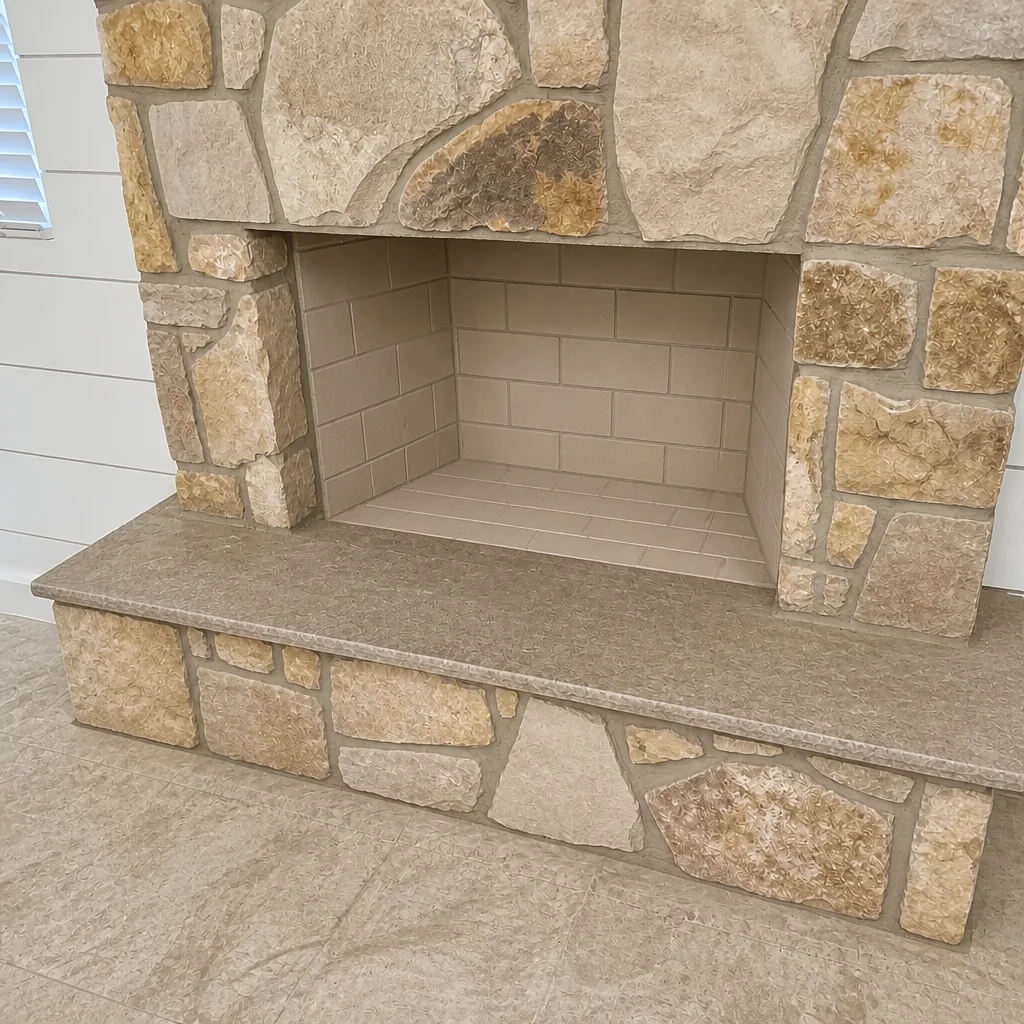
See the difference
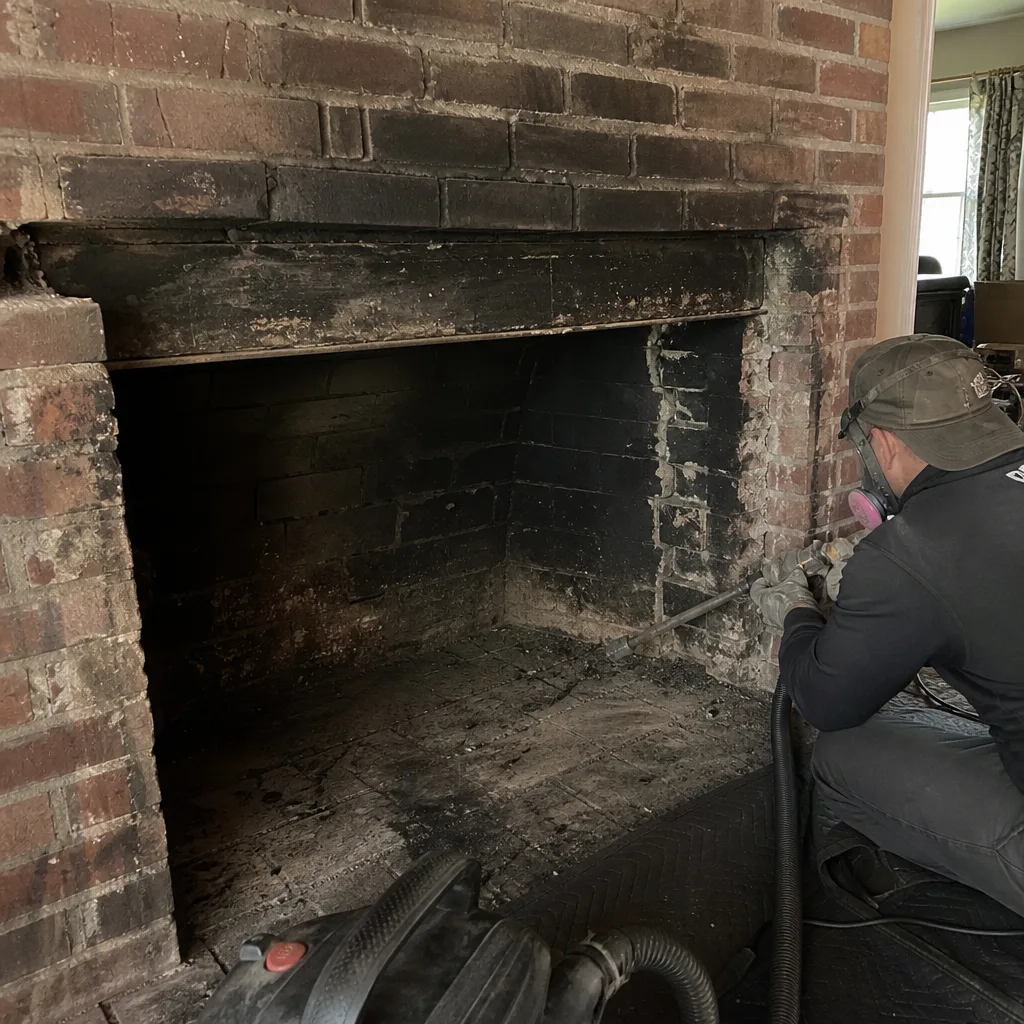 Before
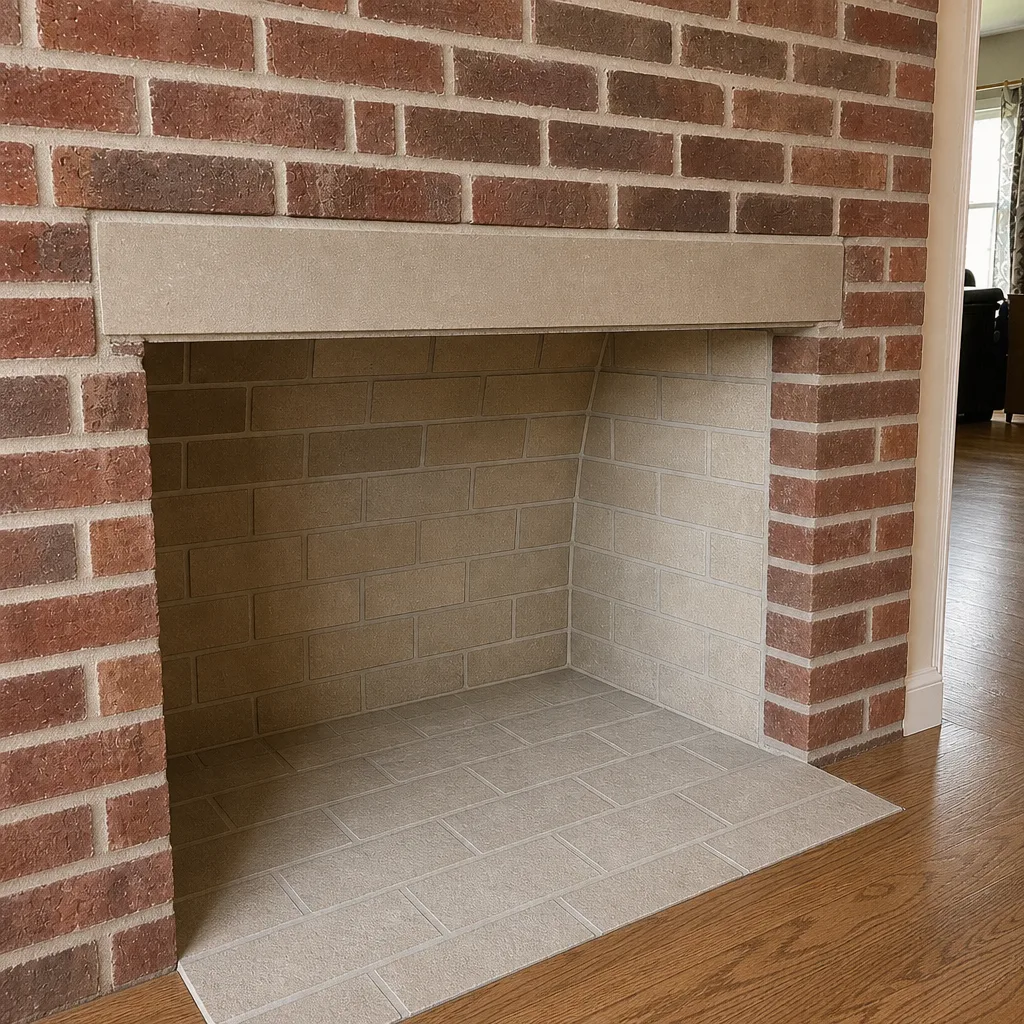 After
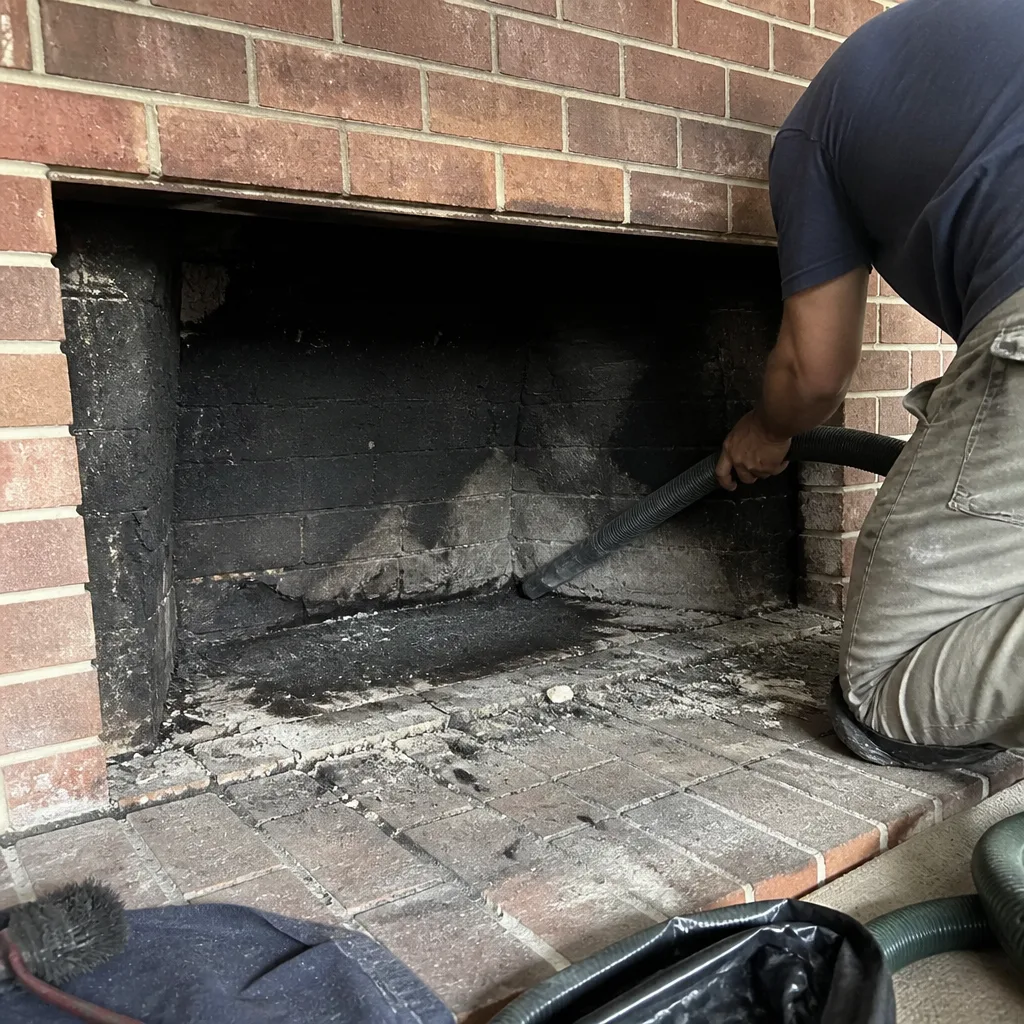 Before
 After
 Before
 After
When to Call a Professional
Call a professional when any of the following is true for your Donelson home:
- You see efflorescence, spalling, or cracks in the crown or mortar
- Your cap is lifted, missing, or damaged after a storm
- You smell dampness or mustiness in the firebox
- Smoke backs up into the room when you build a fire
- The fire doesn’t draft well on a cold morning
- It’s been more than a year since the last cleaning or inspection
- You have a gas insert or any gas appliance venting through the chimney
- You’re not sure what you’re seeing from the ground
The cost of waiting is the compounding repair, and the cost of a check is small by comparison. Chimney Sweep Donelson offers free estimates in Donelson – call (855) 337-0795. We answer 24/7, and fast dispatch runs from 7am to 7pm, Sunday through Friday. We’re closed Saturday.
Frequently Asked Questions
Once a year for most homes with a wood-burning fireplace, scheduled in early fall before the first fire. Homes that burn heavily or burn green or unseasoned wood may need a mid-season cleaning too. The annual inspection is the right moment to set the schedule.
No – a consumer sweep kit on a home flue risks leaving creosote in place, missing a liner problem, and exposing you to soot and carbon monoxide. A professional sweep has the equipment to check the whole system, not just the firebox. If you’re not sure when the last cleaning was, call for an inspection.
That’s efflorescence, and it’s a sign that moisture is moving through the masonry. It’s cosmetic on its own, but it usually points to a water-entry problem at the crown or cap. Left alone, it turns into spalling and cracked mortar, so it’s worth an inspection.
Yes. A cap keeps rain out of the flue, blocks birds and animals from nesting, and stops debris from falling in. Given Donelson’s humid summers and storm-driven rain, a properly fitted cap is one of the highest-value pieces of chimney protection there is. Generic caps often don’t fit or last – trade-grade caps from Gelco, Famco, or Copperfield are built for the long haul.
Creosote builds up over the burn season, and a dirty flue means the first fire of the year burns with an accumulated fuel load already inside it. A hot fire in a cold flue can ignite that deposit. Cleaning before the first fire removes the creosote before there’s a flame.
Yes – a low-use chimney still collects moisture, animal nesting, and draft problems during the idle months. The annual inspection catches those before they become expensive. Call (855) 337-0795 for a free estimate and we’ll tell you what the inspection turns up.
Common Questions About Fall Scheduling
Every fall we field the same questions from Donelson homeowners, and they’re good questions. Here are the answers that matter most.
When should I book a fall cleaning?
September or early October. The two or three weeks before the first cold snap are the busiest stretch of the year, so booking early gets you the appointment you want instead of the one that’s left.
Can a cleaning and a repair be done in one visit?
Yes, and that’s the advantage of using a chimney specialist rather than a cleaning-only crew. The same business that inspects also repairs, so there’s no hand-off between contractors and no waiting. We handle the full chimney – from the firebox to the cap.
What if the inspection finds a problem?
We explain what we find and why it matters before we do anything. You get a clear scope of the repair and a written estimate, and you decide. If a repair can safely wait, we’ll tell you that too.
A clean, capped, sound chimney is one of the simplest home-maintenance systems there is. It just needs the right seasonal check at the right time. That’s the whole guide.
The Bottom Line
The seasonal stress pattern in Donelson is real and specific. Humid summers drive moisture into the masonry. Variable winters crack the crown and mortar through repeated freeze-thaw. Spring storms test the cap, flashing, and masonry. And an idle chimney between seasons collects the animal nests and moisture that turn into the first-fire problems of October. The maintenance answer is a spring post-storm check, a summer visual, a fall cleaning and inspection before the first fire, and a winter check after each hard freeze. A professional sweep once a year, scheduled ahead, catches the damage from each season before it compounds into the next one. When you’re ready for that check, call (855) 337-0795 for a free estimate. We answer 24/7, with fast dispatch from 7am to 7pm, Sunday through Friday. Closed Saturday.
Related reading: our guide to the Chimney Sweep Donelson service, the chimney sweep, fireplace repair, and chimney cap & crown, all handled by one company from the firebox to the cap.
Written by the team at Chimney Sweep Donelson.