
Last updated November 24, 2026
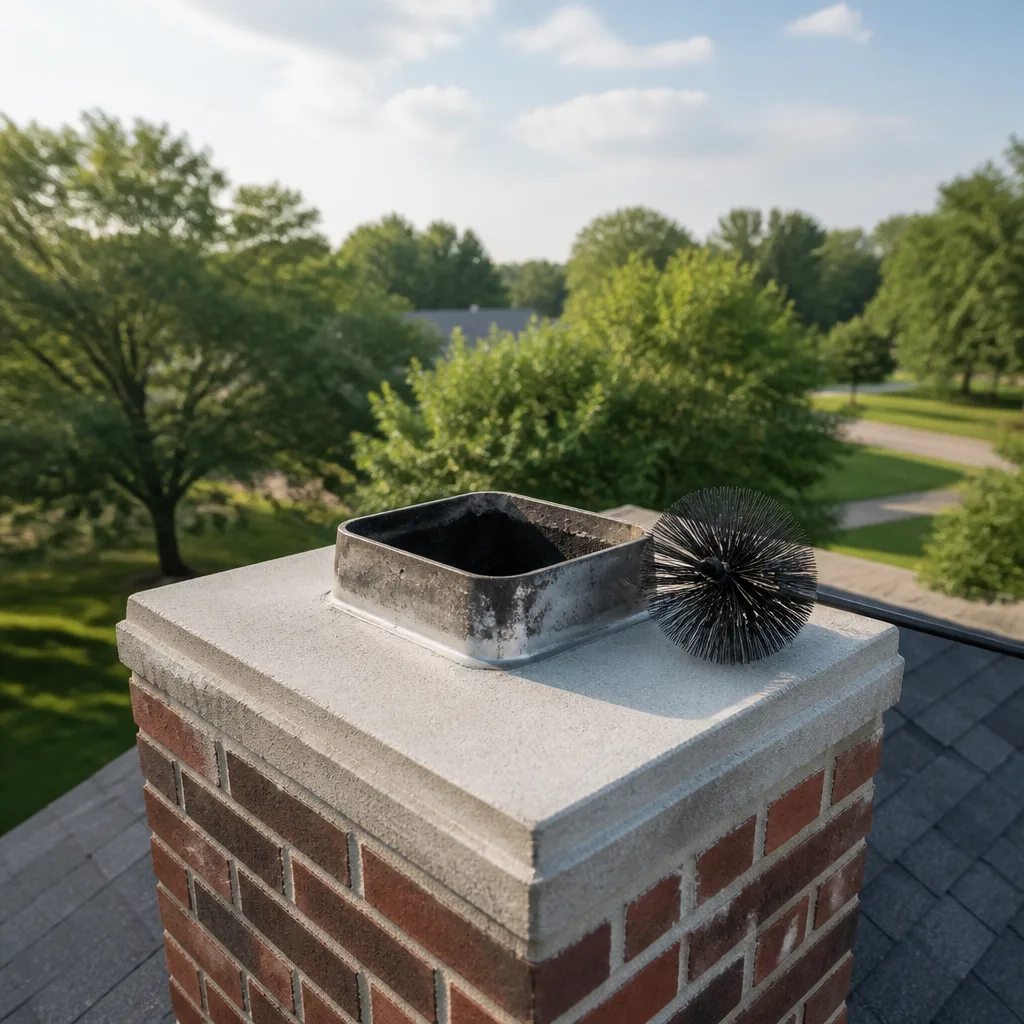 Sweep & inspection
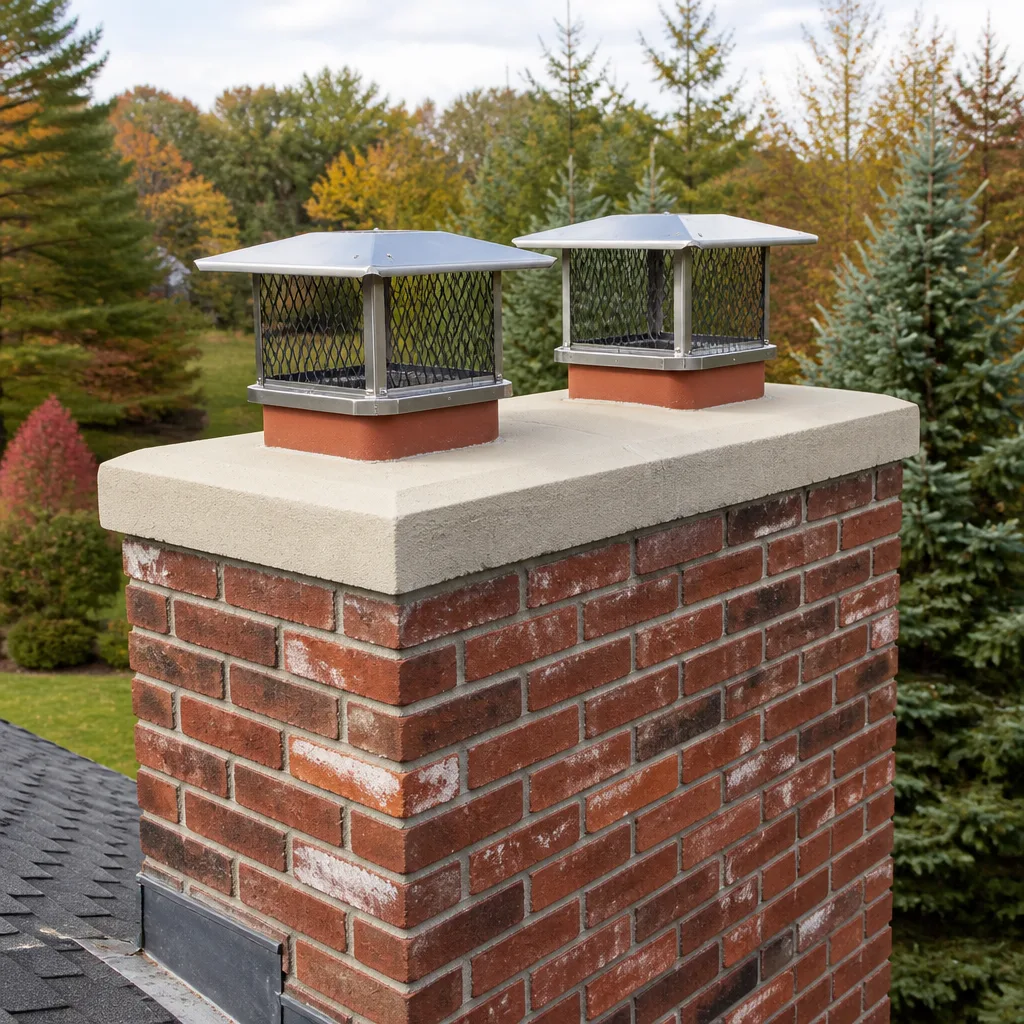 Caps & crowns
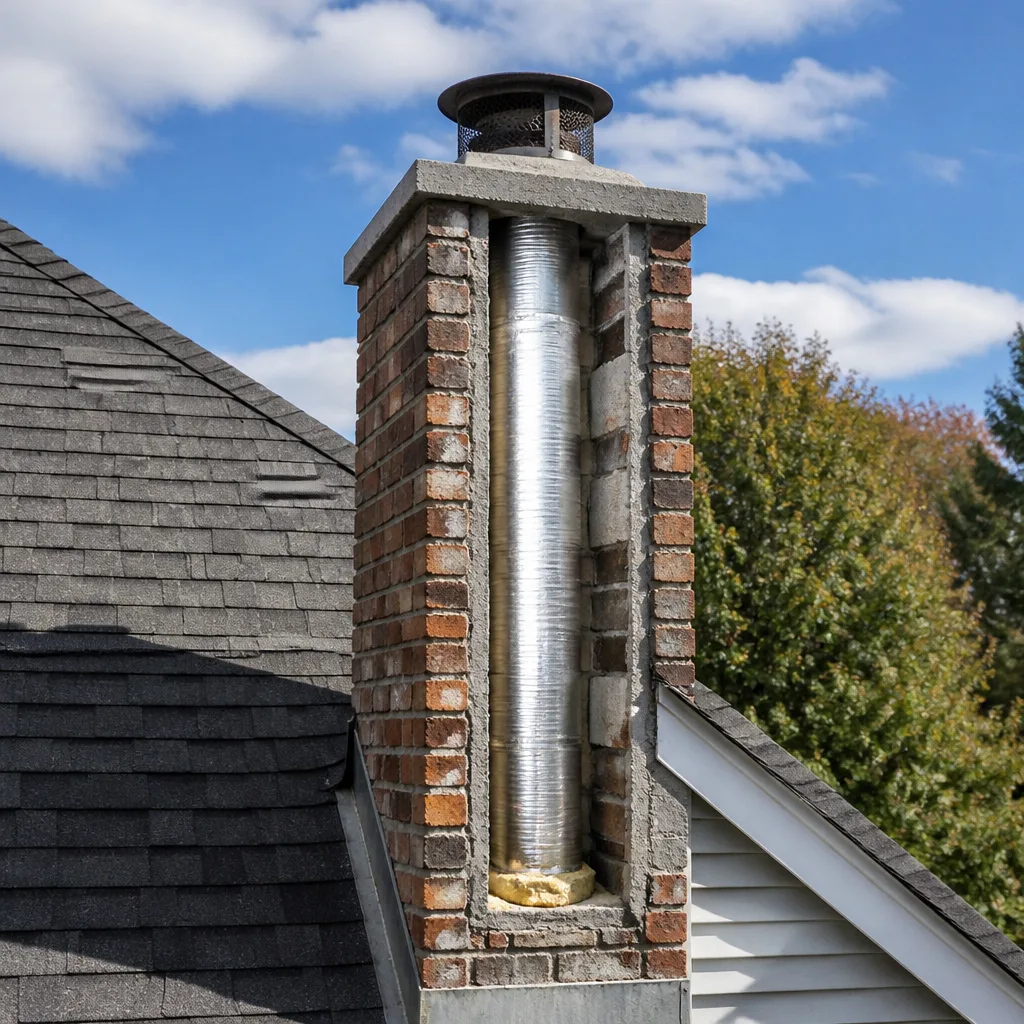 Flue relining
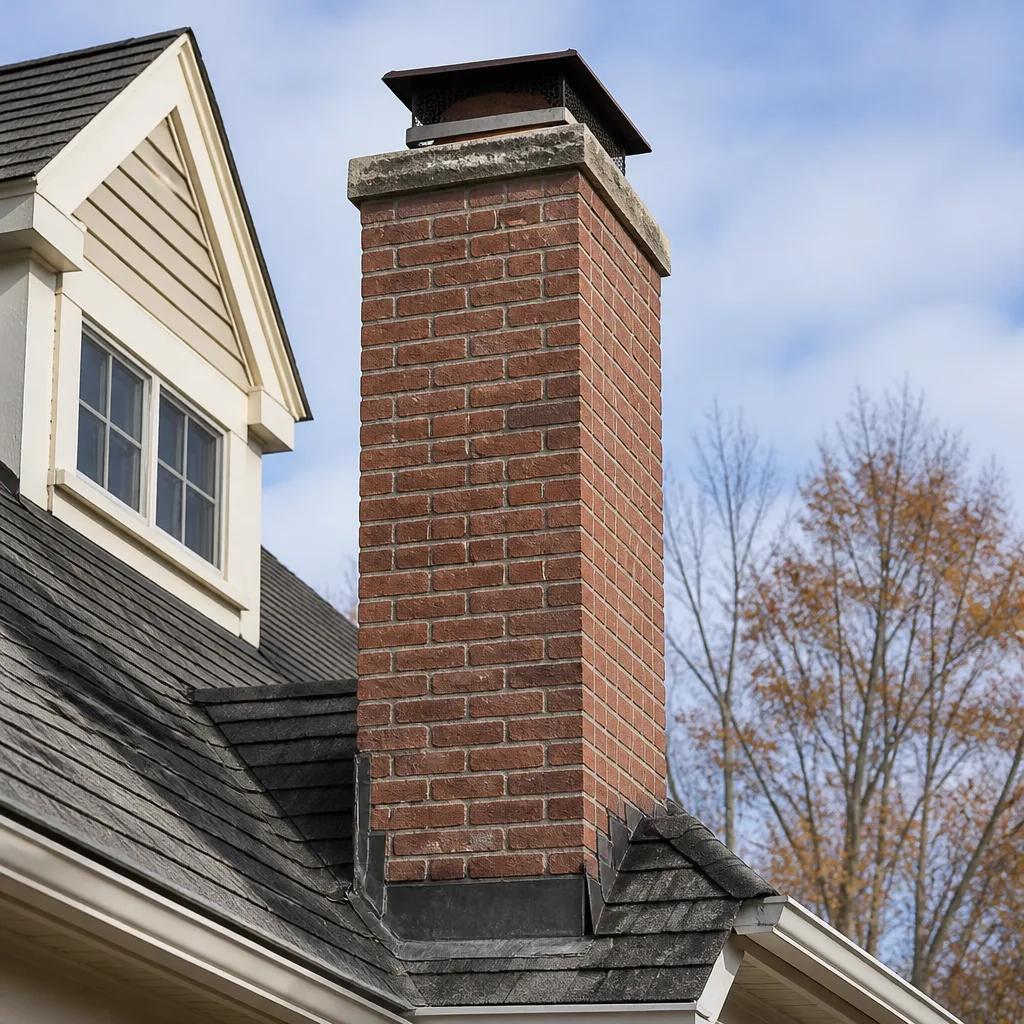 Masonry repair
 Gas fireplace service
Level 1 sweep and inspection to the NFPA 211 annual standard - flue, crown, cap, and flashing checked and photographed
Chimney sweep logs do not sweep chimneys. They loosen some creosote - which then falls where a brush and vacuum still have to collect it.
Chimney Cleaning Cost Breakdown: The Donelson Homeowner’s Reference for 2026
A $99 sweep special and a $275 chimney cleaning can both be honest prices for fundamentally different jobs. That’s the part most quotes don’t tell you. An invoice that says “chimney sweep” and nothing else leaves you guessing whether a camera inspection was included, whether the smoke chamber was touched, whether you’re getting a written report of your flue’s condition or a verbal thumbs-up on the way out the door. By the end of this guide, you’ll know exactly what each price tier buys in the Donelson market, what drives the number up or down, and how to read a quote line by line so you’re comparing scope instead of stickers.
Quick Answer
Chimney cleaning in Donelson typically runs $89 to $150 for a basic sweep, $150 to $250 for a full-service cleaning with a Level 1 inspection and written condition report, and $250 and up when a Level 2 camera inspection or smoke chamber work is added. The written estimate sets the final price, and any quote worth comparing should itemize each part of the job before you agree to it.
Styles & brands we work with
- Sweep & inspection
- Caps & crowns
- Flue relining
- Masonry repair
- Gas fireplace service
Table of Contents
- What does chimney cleaning cost in Donelson? The three price tiers
- What belongs on a chimney cleaning invoice, line by line
- What drives cost beyond the size of your chimney
- Why a Level 2 camera inspection costs more, and when it’s worth it
- Repair add-ons: what the materials actually cost and why grade matters
- How to read a chimney quote before you sign
- Common mistakes to avoid
- When to call a professional
What does chimney cleaning cost in Donelson? The three price tiers
Chimney cleaning in Donelson falls into three recognizable price bands, and each band represents a different scope of work. The number itself isn’t the story. What’s included is.
The $89 to $150 band: basic sweep
This tier covers a straightforward mechanical cleaning of the firebox, damper area, smoke shelf, and flue. The technician runs a rotary brush or rods down the flue, vacuums with a HEPA-filtered unit, and removes the creosote and soot that have built up since the last cleaning. A visual check of accessible components usually comes with it. What’s often missing: a written condition report, a camera inspection, and any smoke chamber or crown assessment. For a wood-burning fireplace that was swept last season and burned a cord or less, this band can be a fair fit.
The $150 to $250 band: full-service cleaning
This is the tier most Donelson homeowners land in, and it’s where the value gap opens up. The sweep is the same, but the job now includes a Level 1 inspection of the full system, a written report documenting flue condition, creosote stage, damper operation, cap and crown condition, and any observed issues. The technician typically cleans the smoke chamber as part of the job rather than treating it as an add-on. If your invoice doesn’t specify a written report and smoke chamber cleaning at this price, you’re paying mid-tier money for entry-tier work.
The $250 and up band: cleaning plus diagnostics or repair
Above $250, you’re paying for either a Level 2 camera inspection, repair work, or both. A full cleaning with a video-scoped flue, a sealed report with photos, and a crown coating or damper replacement can easily land here. This tier is where a chimney specialist’s diagnostic skill matters most, because the inspection findings determine whether a simple cleaning is enough or whether structural work belongs in the plan.
Quick price-tier reference
- Basic sweep ($89-$150): flue, firebox, damper area cleaning; visual check.
- Full-service cleaning ($150-$250): sweep plus smoke chamber, Level 1 inspection, written report.
- Cleaning plus diagnostic or repair ($250+): Level 2 camera inspection, crown work, damper replacement, or other repairs itemized separately.
When you’re looking at a chimney sweep quote in Donelson, ask which tier the price reflects before you compare it to the next bid. The bands only mean something if everyone is quoting the same scope.
What belongs on a chimney cleaning invoice, line by line
A chimney invoice that lists one line and one price is telling you almost nothing. Here’s what a properly itemized cleaning invoice in the Donelson market should break out, so you can match each line to what was actually performed.
- Pre-cleaning inspection and setup. Drop cloths, HEPA vacuum placement, and a visual check of the firebox and damper before any work starts. This protects the room and confirms the flue is safe to sweep.
- Flue cleaning. Rotary brushing or rod-and-brush work down the full length of the flue. This is the core service and should be listed as its own line, not folded into a lump sum.
- Firebox and damper cleaning. Ash removal from the firebox floor, cleaning around the damper, and checking that the damper opens and closes cleanly.
- Smoke chamber cleaning. The smoke chamber sits above the damper and below the flue. It’s often skipped by cleaning-only crews because it takes extra time, and it’s where creosote accumulates into a glazed, hard-to-remove layer.
- Level 1 inspection. A visual examination of accessible chimney components: flue, cap, crown, flashing, and firebox.
- Written condition report. A document you keep, describing what was found, the creosote stage, and any recommended follow-up.
- Debris removal. Soot and creosote hauled out of your home, not left in a bag in the yard.
If your quote lists only “chimney cleaning” and a dollar figure, you have no way to know which of these lines are covered. Ask the contractor to specify each one in writing before you agree. The team at Chimney Sweep Donelson builds that scope into the quote up front, so what you’re comparing is scope against scope, not price against price.
What drives cost beyond the size of your chimney
Chimney size gets cited as the reason one cleaning costs more than another, but in our experience it’s rarely the main driver. Fuel type, time since the last cleaning, creosote stage, and flue height all shift the number in specific ways.
Wood versus gas
A wood-burning fireplace produces creosote and soot that require full mechanical cleaning. A gas log set or gas insert produces far less solid residue, but the flue still needs inspection and often a light cleaning, and gas appliances carry their own safety check. A quote built for wood doesn’t apply to gas, and vice versa. The fuel type should be the first thing the contractor asks.
Time since the last cleaning
A flue swept within the last season with moderate use is a quicker job than one that hasn’t been touched in several years. The latter can carry heavy soot loads and stubborn deposits that take longer to remove and require more careful handling. If you can’t remember the last cleaning, tell the contractor that. It changes the job.
Creosote stage
Creosote is measured in stages. Stage 1 is loose, flaky soot, easy to brush out. Stage 2 is a denser, crustier deposit that requires more aggressive brushing. Stage 3 is glazed, tar-like, and the hardest to remove, often requiring chemical treatment before the flue can be considered clean. A Stage 3 flue can push a basic sweep into a higher cost band because it takes more time and more careful handling. This is also the stage most associated with chimney fire risk, which is why the inspection and the written report matter more than the sweep itself.
Flue height and access
A tall flue or a chimney with a steep roof pitch takes more time and more careful setup. Access matters too. A chimney with a cap that’s difficult to remove, or one that requires ladder work at an awkward angle, adds time. None of this is upselling; it’s the physical labor the job requires.
What this means for your quote
- Fuel type should be the first question any contractor asks.
- Years since last cleaning should change the estimate.
- Creosote stage should be documented, not guessed at.
- Access and height should appear as a specified line if they’re affecting price.
If a quote gives you one flat number without acknowledging any of these, it’s worth asking what’s underneath it. For the full picture of what a chimney sweep should include, our service page lays out the scope.
Why a Level 2 camera inspection costs more, and when it’s worth it
A Level 2 inspection uses a video camera run through the flue to document its interior condition. It costs more than a Level 1 visual check because it takes more time, uses specialized equipment, and produces a recorded view of areas the eye can’t reach from the firebox or the roof. The question isn’t whether it’s more expensive. It’s whether your chimney needs it.
A reasonable time to add a Level 2 inspection:
- You’ve just bought the home, or you’re buying one, and you need to know what’s inside the flue.
- You’ve had a chimney fire, or you suspect one happened before you owned the home.
- You’re switching fuel types, adding an insert, or changing the appliance connected to the flue.
- The chimney has visible damage, water intrusion signs, or a strong creosote layer.
- You haven’t had the flue inspected in years and have no record of past work.
When a Level 2 is probably not necessary for a low-use chimney:
- The chimney was inspected and cleaned within the last season with a documented report.
- You burn lightly, cleanly, and the last report showed no issues.
- The appliance hasn’t changed and no new symptoms have appeared.
A camera inspection should be framed as a diagnostic step and priced as its own line. If a contractor lumps a camera inspection into a flat price without explaining why your chimney needs one, ask what the camera is expected to find and what it would change about the plan. If they can’t answer, that’s your signal. Nothing should be recommended without camera evidence you can see for yourself, and a written report with photos is the standard to expect. This is where a chimney-only specialist earns their place: the same company that scopes the flue also performs the repair, so there’s no handoff between a cleaning crew and a separate repair contractor. On the repair side of that work, fireplace repair is the natural companion service when inspection findings go beyond cleaning.
Repair add-ons: what the materials actually cost and why grade matters
The difference between a low-grade repair and a trade-grade one rarely shows up on the invoice as a line item. It shows up years later, when the crown coating fails or the damper warps. Here’s what the common cleaning add-ons are, and how the materials behind them affect both cost and lifespan.
Crown coatings
The crown is the concrete cap on top of the chimney that sheds water. When it cracks, water gets into the masonry, and water is the number one cause of chimney deterioration. A crown coating seals the surface with a flexible, weather-resistant material. Generic coatings from a big-box store can fail within a few seasons under a Tennessee freeze-thaw cycle. Trade-grade crown coatings from dedicated manufacturers like Gelco or Copperfield are formulated for outdoor masonry and hold up longer. The cost difference between the two is modest. The difference in how often you’ll be back for the same repair isn’t.
Smoke chamber parging
Parging smooths the corbeled brick of the smoke chamber to improve draft and reduce creosote accumulation. It’s a skilled operation because the chamber’s shape and geometry matter, and the wrong material can create as many problems as it solves. Ceramic resurfacing products like HeatShield are designed specifically for this job and for liner resurfacing, which is a repair-first approach that can extend the life of a chimney without the full cost of a reliner. Not every chimney company offers this method, and a quote for parging should specify what material is being used and why.
Damper replacement
A damaged or frozen damper lets heated air escape up the flue when the fireplace isn’t in use and can compromise safety when it’s stuck open. Replacement is a moderate-cost repair, and the material quality of the replacement damper affects how long it lasts. Ask what product is being installed and whether it’s rated for your appliance type.
Liner components
When a flue needs a liner repaired or replaced, the material choice is the biggest cost variable in the whole job. DuraFlex is one of the recognized trade-supply lines used in liner work, and Olympia Chimney is another name professionals in this trade rely on. The cost gap between a low-grade liner and a trade-grade one is real, but so is the gap in how long it lasts and how well it holds up to creosote and heat cycling. This is why we work with trade-grade materials from recognized suppliers instead of big-box substitutes. The chimney cap & crown work we do follows the same principle.
How to evaluate a repair quote
- Ask what specific product or material the quote includes, not just the repair name.
- Ask whether it’s a trade-grade line or a general hardware-store substitute.
- Ask how the material performs in a Tennessee climate with its temperature swings.
- Ask whether the repair is a coating, a resurfacing, or a full replacement, and what the difference is for your chimney.
How to read a chimney quote before you sign
A chimney quote is only useful if you can tell what’s included. Here’s how to read one, in order, so vague line items and missing scope details stand out before you agree.
- Look for scope, not just a price. Each service should be listed as its own line: flue cleaning, smoke chamber, inspection level, report, repairs. If it’s one line, ask for a breakdown.
- Identify the inspection level. A Level 1 visual inspection and a Level 2 camera inspection are different jobs. The quote should say which.
- Check whether a written report is included. A report you keep, with photos, is a deliverable. If it’s not on the quote, it’s not included.
- Flag any vague line items. “Repairs as needed,” “miscellaneous,” or a lump-sum “restoration” line with no description is a red flag. Ask for specifics in writing.
- Confirm what “cleaning” means. Does it include the smoke chamber? Does it include the damper area? Does it include debris removal? If the quote doesn’t say, ask.
- Note what’s excluded. A fair quote tells you what it does not cover: crown work, liner condition, cap repair. Exclusions are information, not a sales tactic.
- Ask for the final number in writing before work begins. The written estimate sets the final price, and any additions should be explained and agreed before they happen.
When you compare two quotes, compare the scope line by line. A quote that’s cheaper per line but skips the smoke chamber and the written report isn’t cheaper; it’s a smaller job. A quote that’s higher but itemized tells you exactly where the money goes. That’s the comparison that matters.
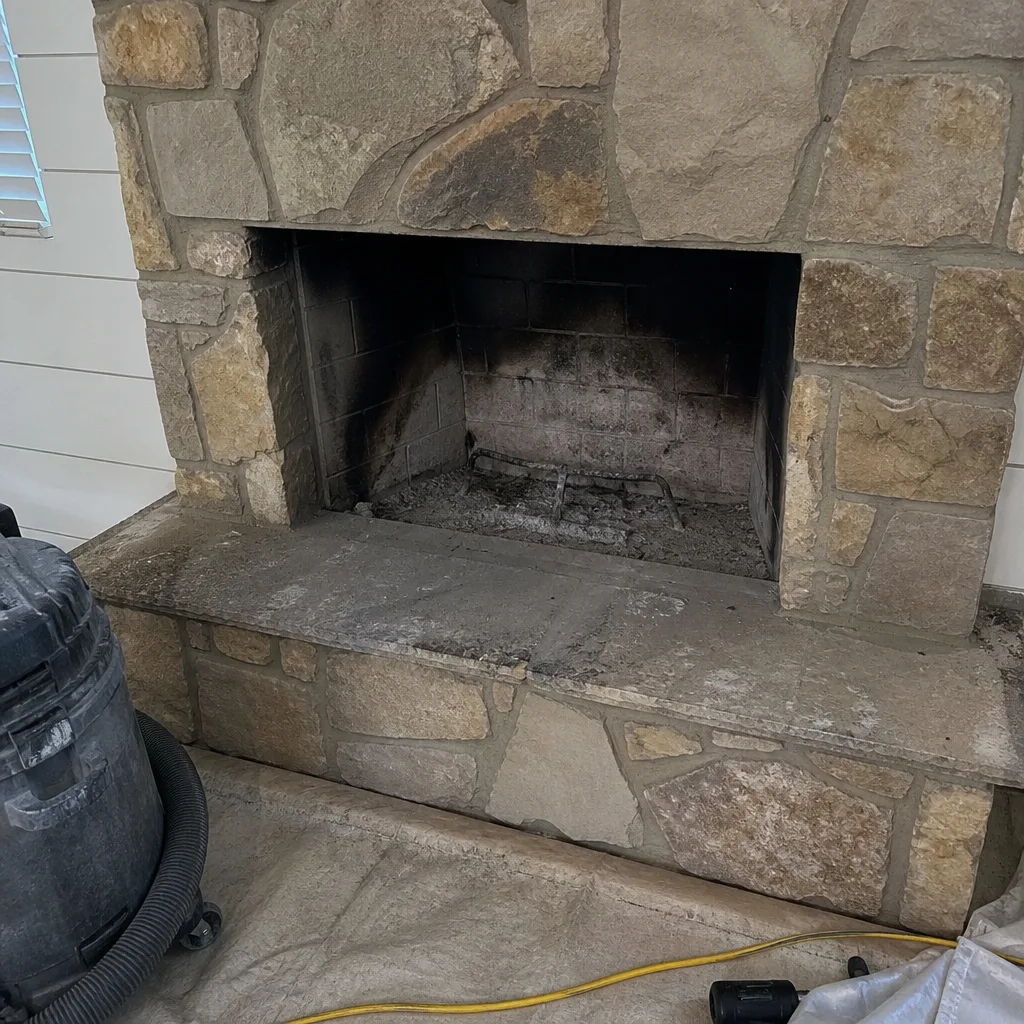
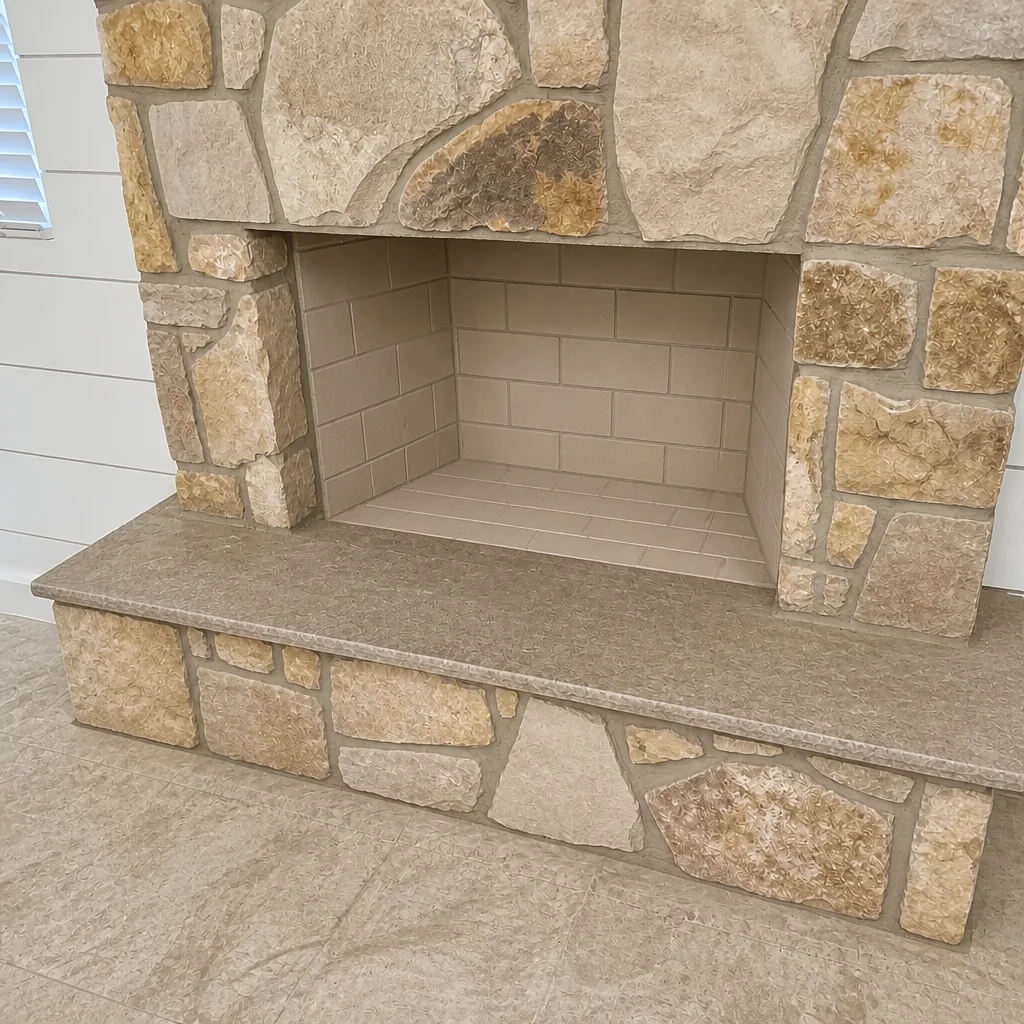
See the difference
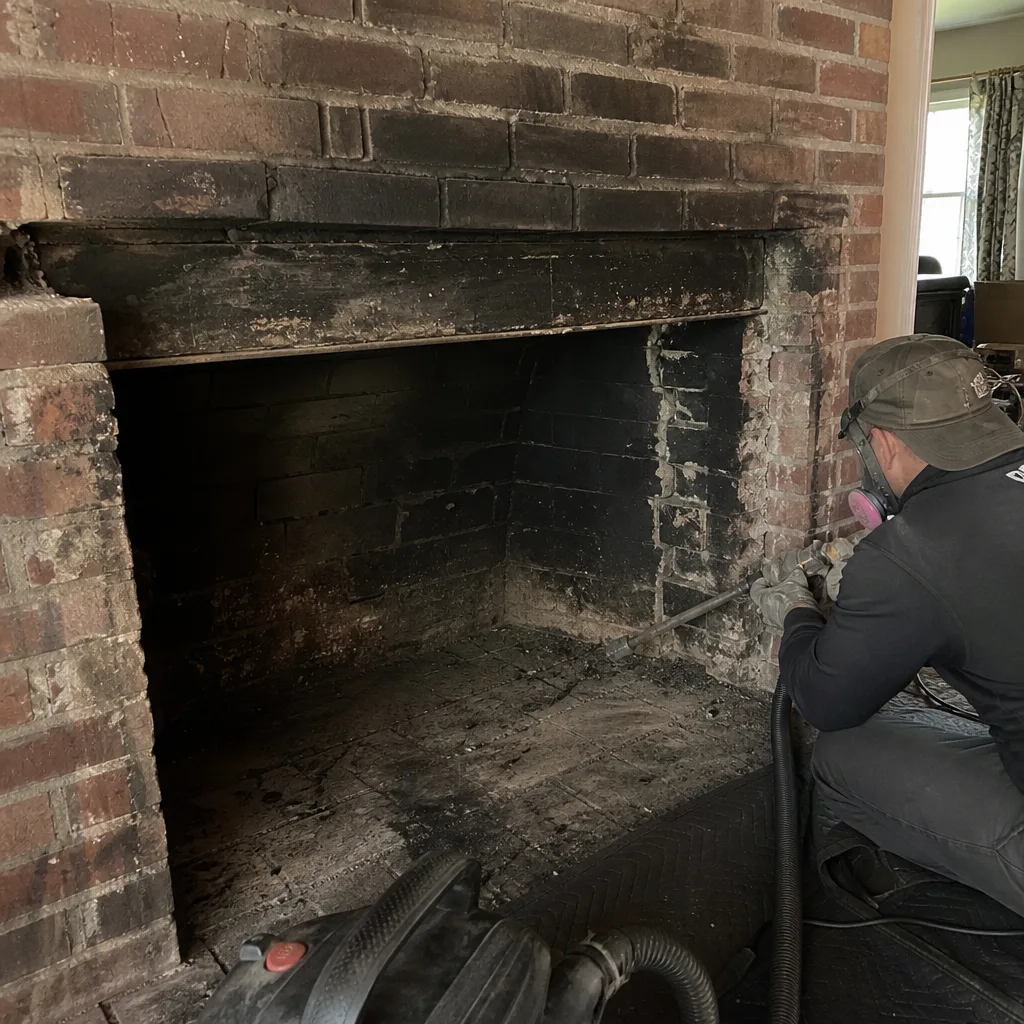 Before
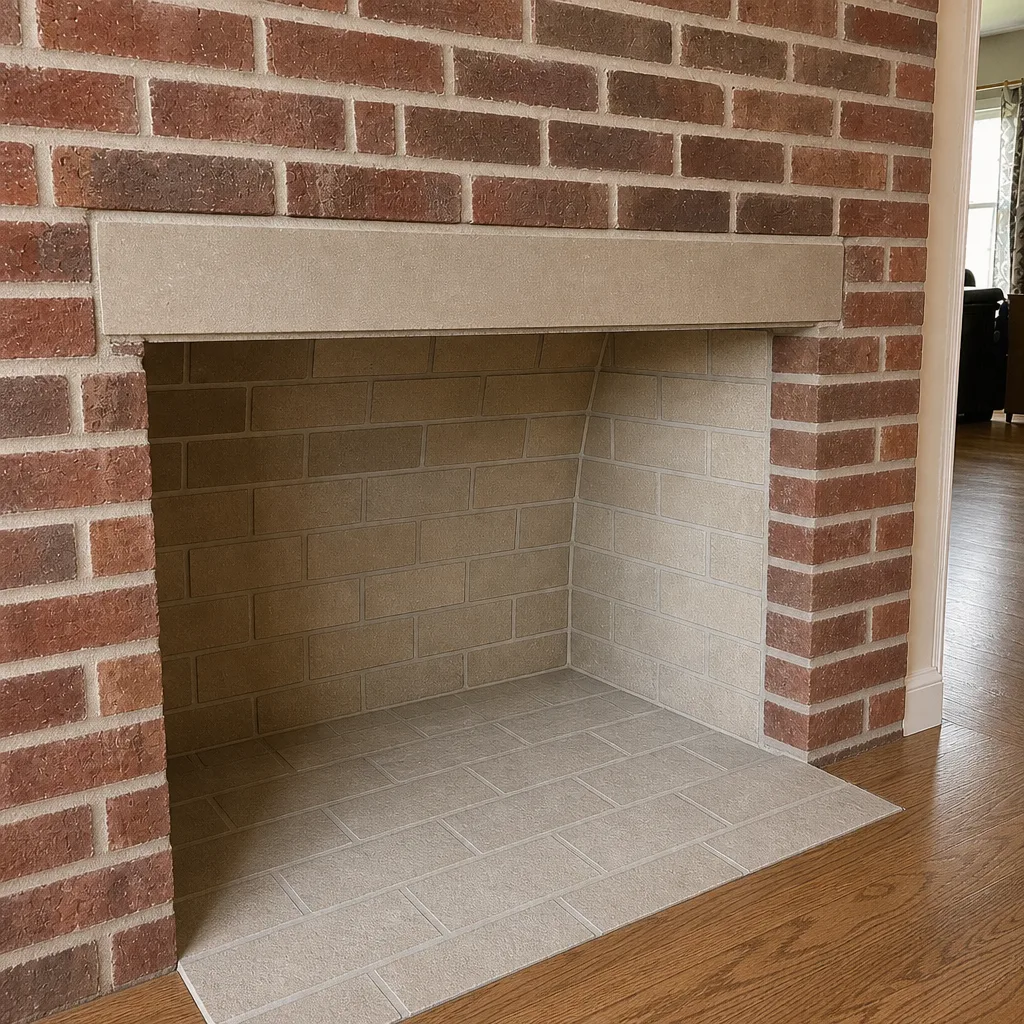 After
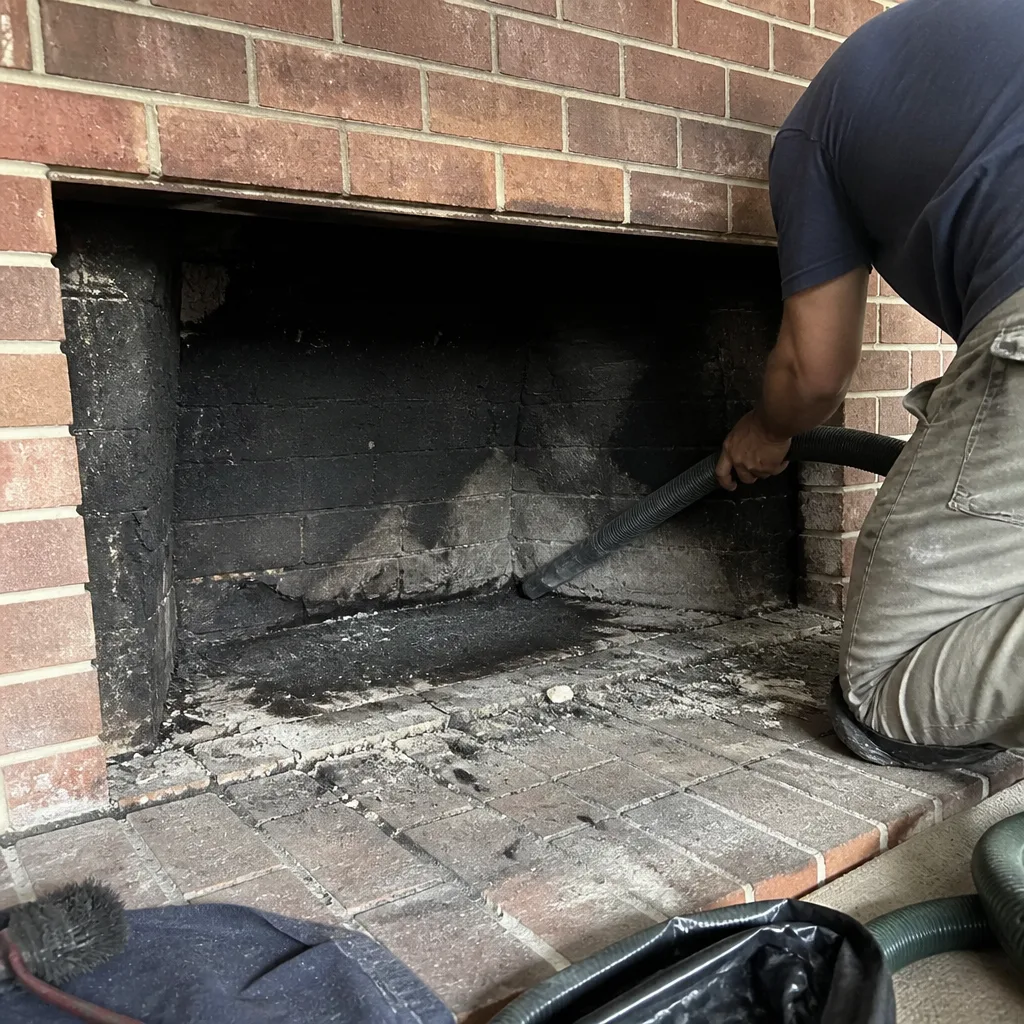 Before
 After
 Before
 After
Common Mistakes to Avoid
- Comparing prices without comparing scope. Two quotes that both say “chimney sweep” can cover entirely different work. Match the line items before you match the numbers.
- Assuming a camera inspection is an upsell. It’s a diagnostic. For a low-use chimney with a recent report, it’s often unnecessary. For a new home or a post-fire situation, it’s the thing that tells you what you’re dealing with.
- Choosing a quote that has no written report. Without documentation, you have no record of your chimney’s condition from one season to the next. The report is part of the job.
- Ignoring a cracked crown because the sweep looked fine. The crown sheds water, and water is the leading cause of chimney deterioration. A cleaning that doesn’t assess the crown leaves the biggest risk unexamined.
- Using a general handyman for chimney work. Chimney diagnostics happen in context: the sweep sees the firebox, the smoke chamber, the flue, and the crown in one visit. A generalist doing chimney work on the side misses the connections between those components.
- Burning unseasoned wood to stretch the season. Green wood produces more creosote, which pushes a manageable Stage 1 flue toward Stage 2 and Stage 3 over time. Seasoned wood keeps the cleaning within a lower cost band.
- Skipping the sweep because the firebox looks clean. The firebox is the one part you can see. Creosote accumulates in the flue and smoke chamber, where you can’t see it. Clean firebox does not mean clean flue.
When to Call a Professional
A few situations call for professional attention without delay. If you smell a strong creosote or burning odor when the fireplace is not in use, that warrants a sweep and inspection. If you notice black staining around the firebox or smoke escaping into the room, the draft or the flue condition needs a look. If you’ve had a chimney fire, even a small one you put out yourself, the flue should be inspected before the next fire. If you’ve moved into a Donelson home and don’t have records of the last cleaning, a full-service cleaning with a written report is the place to start. And if you’re noticing water stains on the ceiling near the chimney or crumbling mortar on the crown, those are crown and masonry issues that a cleaning alone won’t solve. Chimney Sweep Donelson offers free estimates in Donelson. Call (855) 337-0795. We answer 24/7. Fast dispatch from 7am to 7pm, Sunday through Friday.
Frequently Asked Questions
Chimney cleaning in Donelson typically costs $89 to $150 for a basic sweep, $150 to $250 for a full-service cleaning with a Level 1 inspection and written report, and $250 and up when a Level 2 camera inspection or repair is added. The written estimate sets the final price. Call (855) 337-0795 for an exact quote. Estimates are free.
Annual cleaning and inspection are the standard for wood-burning chimneys in active use, because creosote accumulates in the flue and smoke chamber whether or not you can see it. For a low-use chimney with a recent documented inspection, a yearly visual check may be enough. The right interval depends on how much you burn and what the last report showed. Call (855) 337-0795 to talk through your situation. Estimates are free.
For a wood-burning fireplace in regular use during the burning season, once a year is the usual recommendation, plus a cleaning whenever creosote buildup reaches a quarter inch or a chimney fire has occurred. Gas appliances often need less frequent cleaning but still need annual inspection. Call (855) 337-0795 to book a cleaning and get a written condition report. Estimates are free.
Skipping cleaning lets creosote build in stages, and the higher stages are harder to remove and more closely tied to chimney fire risk and reduced draft. Carbon monoxide risk rises with a blocked or damaged flue, which is why inspection matters as much as cleaning. A professional assessment is the safe path, since the interior of the flue isn’t something you can safely evaluate yourself. Call (855) 337-0795 to schedule. Estimates are free.
The price gap in Donelson usually comes down to scope and credential, not margin. A quote that includes a smoke chamber cleaning, a Level 1 inspection, and a written report covers more work than a basic sweep, and a quote with a Level 2 camera inspection covers more still. Compare the line items before comparing the totals. Call (855) 337-0795 for a quote with the scope spelled out. Estimates are free.
A new liner is only needed when inspection shows the existing one is damaged, improperly sized, or unsafe for the appliance connected to it, and that determination should be backed by camera evidence you can see. A repair-first approach, using products like HeatShield for ceramic resurfacing, can sometimes extend the liner’s life without a full replacement. Ask for the inspection findings in writing before agreeing to any liner work. Call (855) 337-0795 for a scoped inspection. Estimates are free.
The Bottom Line
The price of a chimney cleaning in Donelson is a scope question, not a shopping question. A $99 sweep and a $275 full-service cleaning can both be fair, as long as you know which one you’re buying. The $89 to $150 band gets your flue cleaned. The $150 to $250 band adds the smoke chamber, a Level 1 inspection, and a written report. The $250 and up band brings in a Level 2 camera inspection or repair work, itemized separately. Fuel type, last cleaning date, creosote stage, and flue height all move the number, and a good quote acknowledges them. Compare line items, ask for the material brand behind any repair, and get the final scope in writing. That’s how you read a chimney invoice without guessing.
Chimney Sweep Donelson handles the full chimney, from the firebox to the cap, with trade-grade materials from the brands chimney professionals trust. One inspection, one company, one point of accountability. We explain what we find and why it matters before we do anything. Call (855) 337-0795 for a free estimate. We answer 24/7. Fast dispatch from 7am to 7pm, Sunday through Friday.
Written by the team at Chimney Sweep Donelson.