
Last updated November 24, 2026
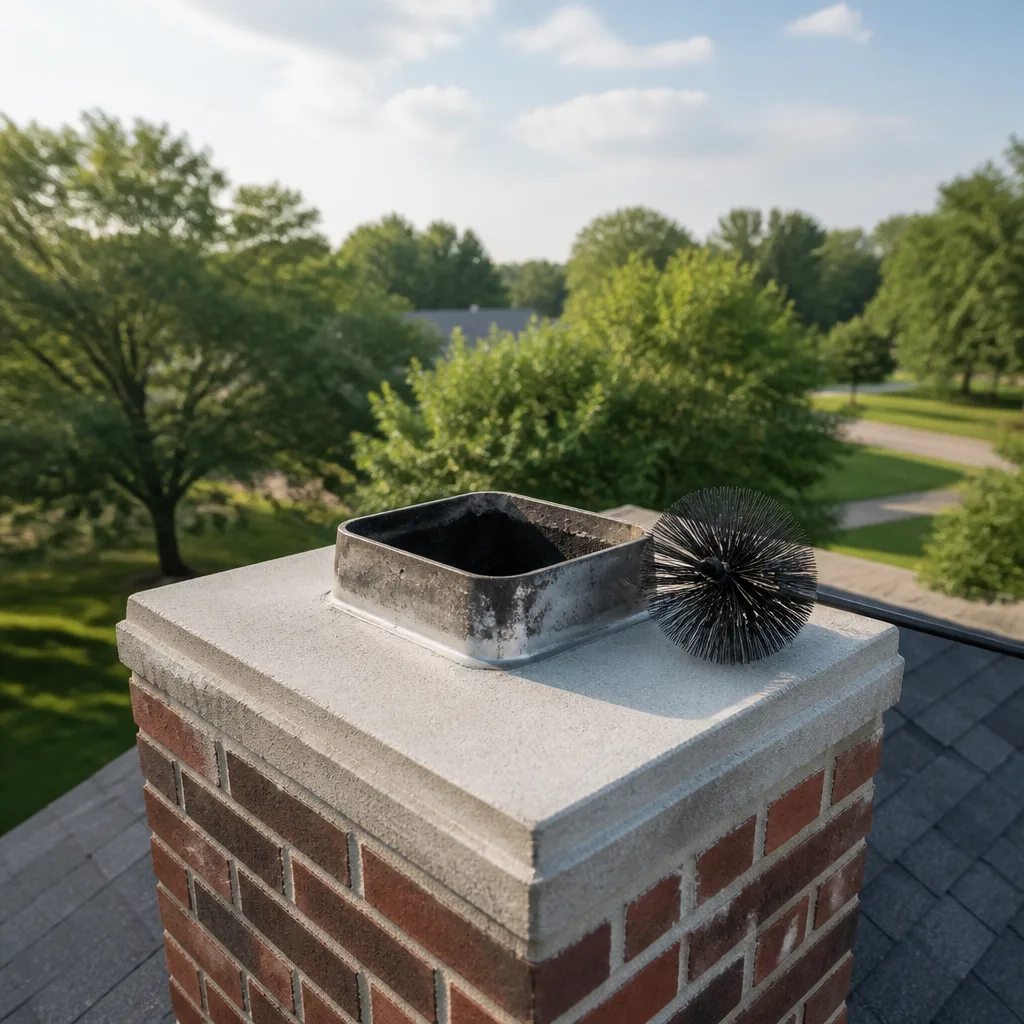 Sweep & inspection
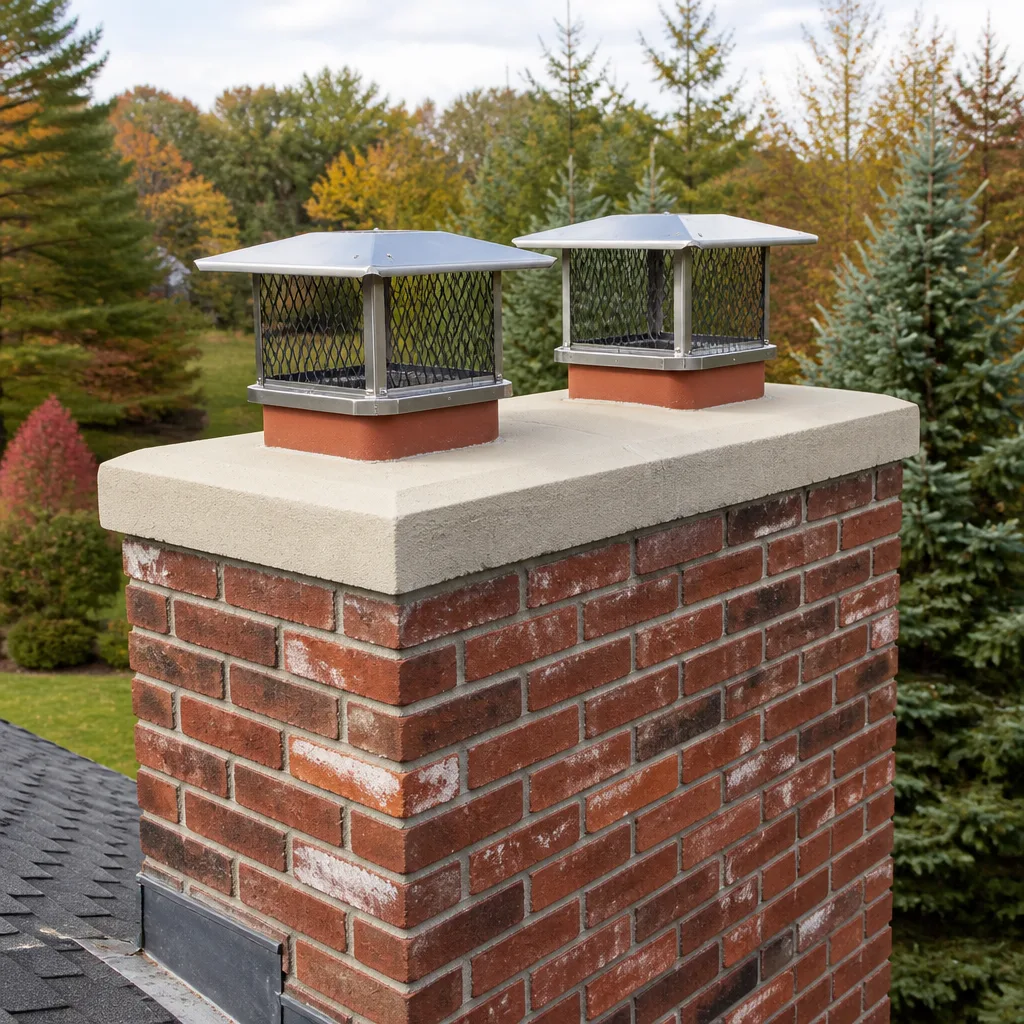 Caps & crowns
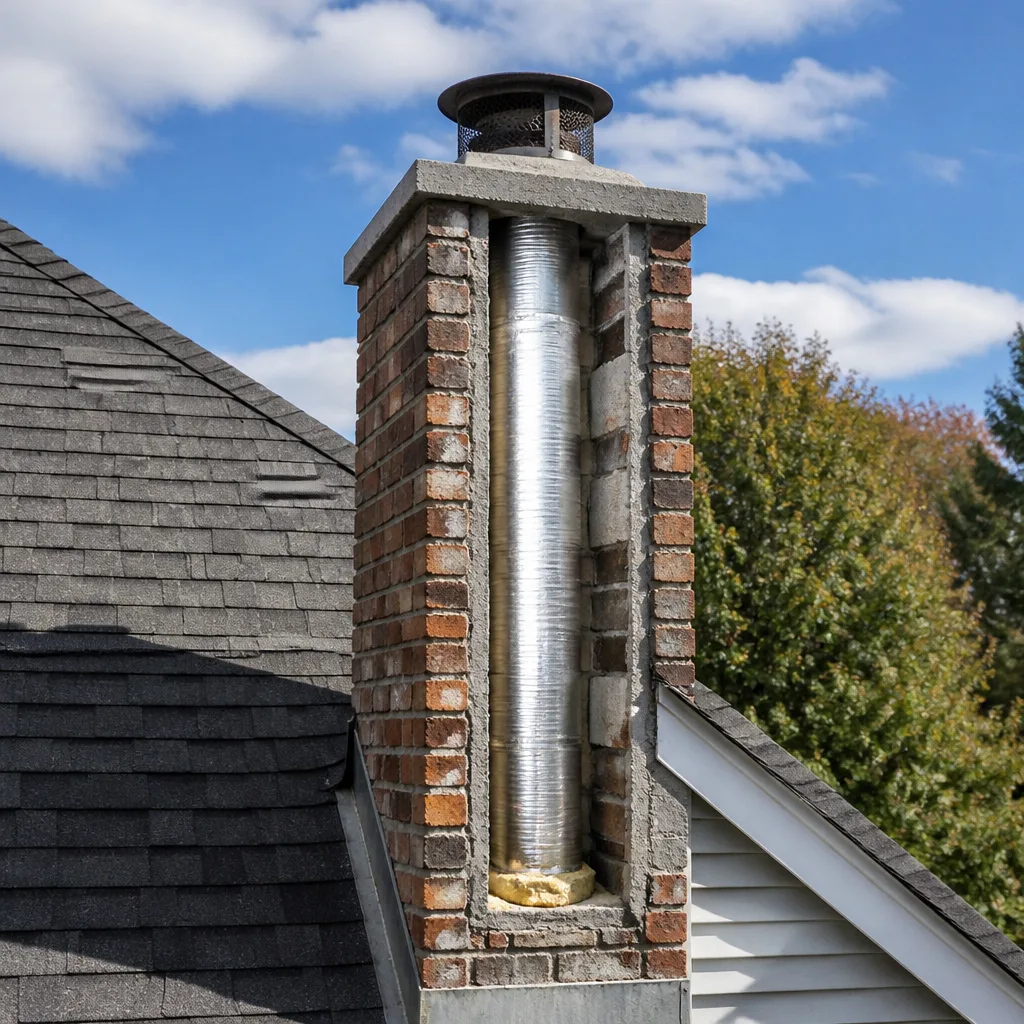 Flue relining
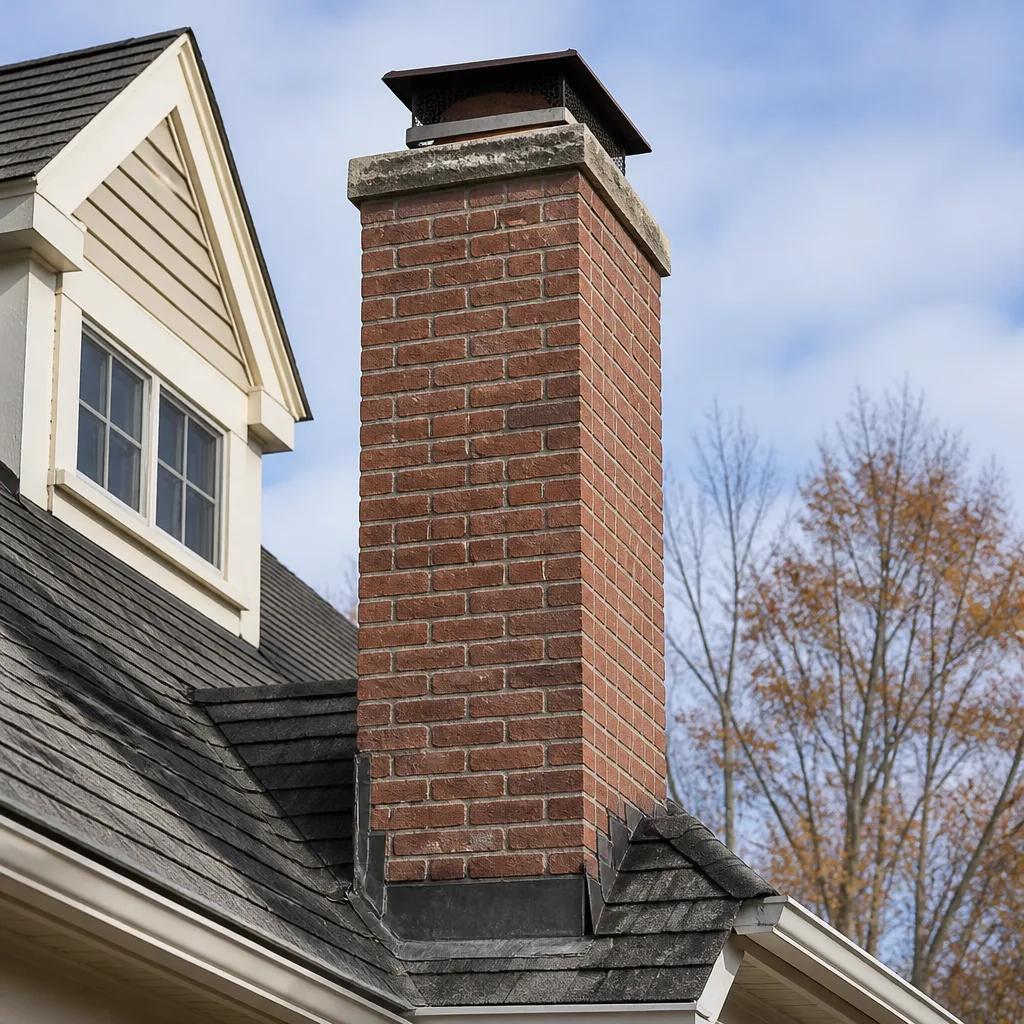 Masonry repair
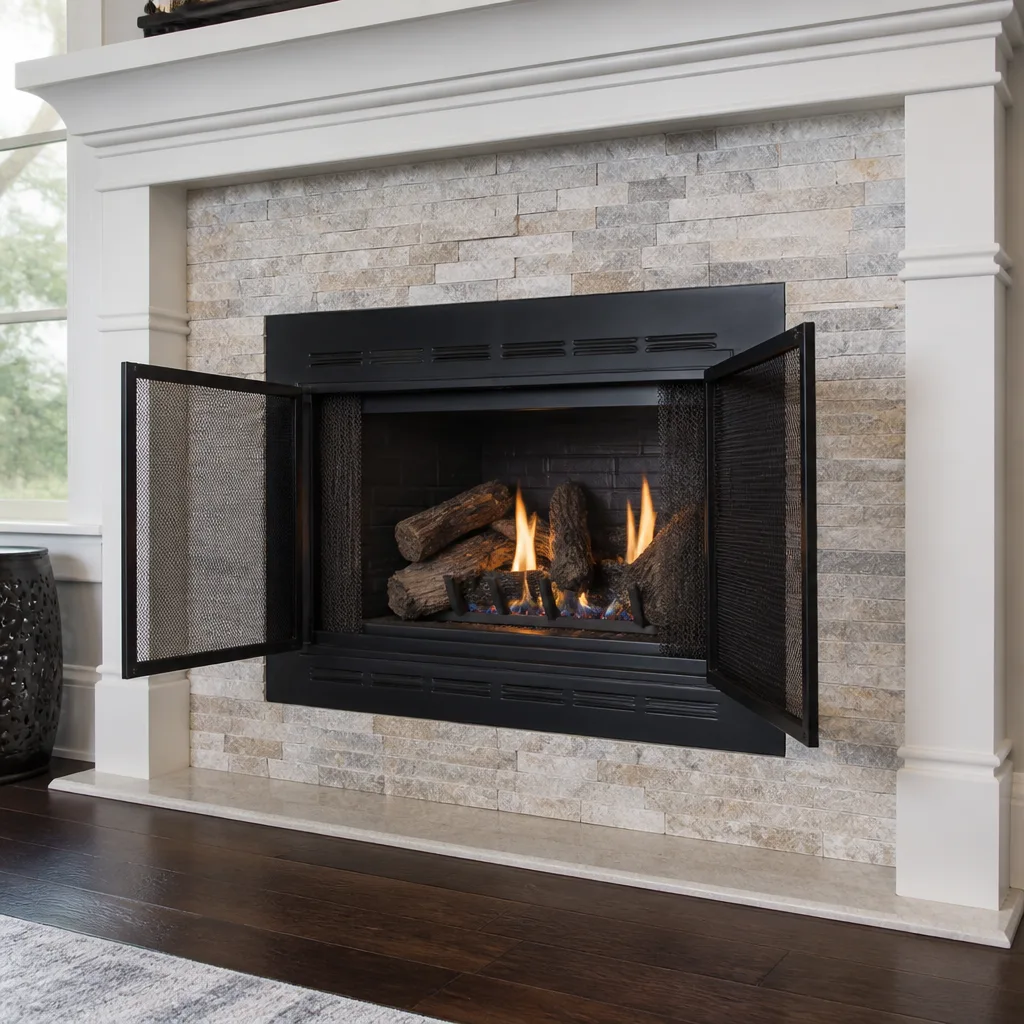 Gas fireplace service
Level 1 sweep and inspection to the NFPA 211 annual standard - flue, crown, cap, and flashing checked and photographed
Chimney sweep logs do not sweep chimneys. They loosen some creosote - which then falls where a brush and vacuum still have to collect it.
How to Hire a Chimney Cleaning Contractor in Donelson: A Step-by-Step Guide
Tennessee does not require a state license to sweep chimneys. That single fact reshapes how you should shop for the job. The words “licensed and insured” on a truck or a website tell you almost nothing about whether the person on your roof has been trained to read a flue, spot a cracked crown, or recognize the early signs of a dangerous creosote glaze. What actually separates a trained chimney specialist from someone with a brush and a ladder is a credential you can verify yourself and a conversation you can have before any money changes hands. This guide walks through the checkpoints that matter, from verifying a CSIA number to comparing two quotes that describe the same repair in completely different words. If you’re hiring in Donelson, you’ll finish with a short list of questions that do more work than any review score.
Quick Answer
To hire a chimney cleaning contractor in Donelson, verify the technician’s CSIA certification number directly on the Chimney Safety Institute of America’s public database, confirm the company carries both general liability insurance and workers’ compensation coverage, and insist on a written scope of work before the job starts. Ask whether the person on your roof is an employee or a 1099 subcontractor, and be wary of any quote given without an in-person inspection. The right contractor explains what they find and why it matters before touching anything.
Styles & brands we work with
- Sweep & inspection
- Caps & crowns
- Flue relining
- Masonry repair
- Gas fireplace service
Table of Contents
- Why Verification Matters More in Tennessee Than Almost Anywhere Else
- How Do You Verify a CSIA Credential?
- Which Insurance Coverages Should You Confirm?
- Why Demand a Written Scope of Work Before the Job Starts
- What Are the Red Flags Specific to Chimney Work?
- How Do You Compare Quotes That Use Different Words for the Same Job?
- The Questions That Actually Separate Specialists From Generalists
- What to Know About Chimney Work in Donelson
Why Verification Matters More in Tennessee Than Almost Anywhere Else
Most states license chimney sweeps through a general contractor or specialty trade board. Tennessee does not. There is no state-issued chimney sweep license, which means no state exam, no state registry, and no state body that can pull a credential for shoddy work. That’s not a knock on Tennessee tradespeople. It’s simply the regulatory reality, and it shifts the vetting burden entirely onto you as the homeowner.
What fills the gap is voluntary certification. The Chimney Safety Institute of America (CSIA) runs the most widely recognized credential in the trade. A CSIA-certified sweep has passed an exam covering chimney construction, venting, combustion, and safety, and holds current certification that requires continuing education to maintain. A certified technician isn’t automatically a good communicator, but the credential does confirm baseline technical knowledge that a business license never could.
In Donelson specifically, the housing stock makes this matter. The neighborhood has a lot of older brick-and-mortar construction with wood-burning fireplaces that were built long before anyone worried much about modern venting standards. A chimney in that kind of home can have a clay tile liner with hairline cracks, a crown that’s been weathering for years, or creosote buildup in a flue shape that doesn’t match current codes. A technician who’s been trained to look for those things will find them. Someone who isn’t will sweep the flue, hand you a receipt, and miss the problem entirely.
Here in our own practice, we’ve seen enough Donelson chimneys with original liners to know that what gets missed on a quick sweep is often the thing that matters most. Our technicians have up to 8 years of experience, and the credential that backs that experience is one you can verify on CSIA’s site in two minutes. That’s the standard we think every Donelson homeowner should hold any contractor to.
How Do You Verify a CSIA Credential?
You verify a CSIA credential by going to the CSIA website and searching the public certification database for the technician’s name or certification number. You should not accept a business card, a certificate on a wall, or a number read over the phone as proof. The database is the only authoritative source, and any certified technician will know exactly how to point you to it.
Here’s the process in full:
- Ask the contractor for the CSIA certification number of the specific technician who will be doing the work. If they can’t produce it, that’s your answer.
- Go to csia.org and find the certification verification tool. It’s usually linked directly from the main site.
- Enter the name or number. The result will tell you whether the certification is currently active, which matters because CSIA certifications expire and must be renewed.
- If the technician is listed as certified but the status shows as lapsed, ask why. Sometimes it’s a paperwork issue, sometimes it means the certification wasn’t renewed. Either way, you want to know before you book.
One nuance: CSIA certifies individual technicians, not companies. A company might advertise that it has certified technicians on staff, but the person who actually arrives at your door should be one of them. Ask which specifically named technician is being dispatched, then verify that name. If the company is vague about who’s coming, press for a name before booking. This is the kind of question a genuine chimney specialist answers without hesitation, because they know their team’s credentials are the whole reason you called them.
The second credential to ask about is NFI (National Fireplace Institute) certification, which covers gas and wood appliance installation and service. It’s less critical for a straight sweep, but if your Donelson home has a gas insert or a pellet stove, an NFI-certified technician knows the venting requirements specific to those appliances. Not every chimney company has one. Ours does, and we staff accordingly.
What if the contractor won’t give you a name?
That’s a warning sign. A legitimate operation can tell you who’s coming and what their credentials are. A company that can’t or won’t probably doesn’t have someone with a verifiable credential, and the person on your roof may have no formal training at all.
Which Insurance Coverages Should You Confirm?
You should confirm that the contractor carries both general liability insurance and workers’ compensation coverage. General liability protects your home if the technician damages it. Workers’ comp protects you if the technician is injured on your property. Both matter, and the second one gets skipped in almost every hiring guide.
General liability is the one most homeowners think to ask about. It covers property damage caused by the contractor’s work – a dropped brush that cracks a tile, a ladder that scrapes a gutter, water damage from a cleaning that went wrong. Ask for a certificate of insurance and confirm the policy is current. The certificate should name the company, the policy period, and the coverage limits.
Workers’ comp is the one that homeowners almost never ask about, and it’s the one that can cost you the most if the contractor doesn’t carry it. If a technician falls off your roof and the contractor doesn’t have workers’ comp, your homeowner’s policy may end up being the liability that pays. That’s a home insurance claim you didn’t plan for, and it can affect your coverage going forward.
This is where the employment arrangement matters. If the company sends 1099 subcontractors rather than W-2 employees, the subcontractor is technically self-employed. In that case, if they’re injured on your property and aren’t covered by their own policy, you could be exposed. Ask the question directly: are the technicians on this job employees or 1099 subcontractors? A company that uses subcontractors is not necessarily a bad choice, but you need to know, because the insurance picture is different. Ask for the subcontractor’s own insurance certificate if that’s how it’s arranged.
The third coverage worth asking about is a business license and a surety bond, though neither is legally required for chimney work in Tennessee. If a company advertises them, ask for documentation. If they don’t, it’s not a red flag in this state, but it’s worth knowing.
Why Demand a Written Scope of Work Before the Job Starts
A written scope of work is your single strongest protection against upsell pressure once the technician is on your roof. It lists what will be done, what materials will be used, and what the price will be, all before any work begins. Without one, you’re negotiating from a position of weakness, because by the time a technician finds a “problem,” they’re already on the roof with their tools and you have no easy way to evaluate whether the problem is real.
The standard for a good scope includes several elements:
- Specific tasks – not “sweep chimney” but “sweep flue, clean firebox, remove debris.”
- Materials by brand and type – not “chimney repair” but “stainless steel liner from DuraFlex” or “ceramic resurfacing from HeatShield.”
- Access details – will the technician be on the roof, inside the house, or both?
- Cleanup provisions – who vacuums up the soot, and with what equipment?
- Price and payment terms – the total, whether a deposit is required, and when payment is due.
On top of that, you want a written report after the inspection, with photos. The photos are the key detail. If a technician says your liner has cracks, you should be able to see the cracks in a photo before you approve a repair. Here at Chimney Sweep Donelson, we do camera inspections and include a photo report with the findings. We explain what we found and why it matters before we do anything else. That’s not a marketing flourish. It’s the only way you can confidently say yes or no to a repair recommendation without worrying you’re being sold something you don’t need.
The other thing to know: many legitimate repairs can safely wait. If your crown has a hairline crack but the chimney isn’t actively leaking, that’s a plan-it-for-next-season item, not an emergency. If your liner is intact but the damper is stiff, that’s a cleaning-and-lubrication job, not a reliner job. A specialist who’s willing to tell you what can wait is signaling they’re not just trying to maximize the invoice on this visit. A specialist who calls everything an emergency is signaling the opposite. Ask directly: if this were your chimney, what would you do this month, and what would you schedule for later? The answer tells you volumes.
What Are the Red Flags Specific to Chimney Work?
Chimney work has its own category of red flags because the work is out of sight. You can see a bad paint job. You generally cannot see inside a chimney from the ground, so you’re dependent on the contractor’s honesty and competence. Here are the specific signals to watch for.
- A quote given without an in-person inspection. A chimney sweep can’t price a cleaning or a repair over the phone because they haven’t seen the chimney. If someone gives you a number sight-unseen, they’re either going to change it once they arrive or they’re not planning to look closely.
- Pressure to approve repairs the same day. Emergencies exist, and real ones (like a blocked flue with visible damage) can justify immediate action. But “I found something serious, you need to approve this today” is a pattern associated with high-pressure sales, not safety diagnostics. Ask for photos, ask for a written report, take a night to think about it.
- Vague line items like “chimney repair.” A line item that doesn’t name what’s being repaired, with what material, and where on the chimney, is a placeholder. Ask for specifics in writing. If the contractor can’t produce them, the work is not well-planned.
- No camera inspection offered. Any repair recommendation above a basic cleaning should be supported by a camera view. If the technician can’t show you the inside of the flue, you have no basis to evaluate the recommendation.
- Prices far below market. A very low price for a sweep often leads to significant add-on recommendations once the technician is on-site. That’s not a value proposition; it’s a sales model.
- Cash-only payment with no receipt trail. Not technically a chimney-specific red flag, but it removes the accountability you’ll need if something goes wrong later.
Here in Donelson, we’ve seen all of these. The one that costs homeowners the most is the vague line item, because it makes it impossible to know what’s actually being installed or repaired. Get the material spec in writing. Which brand, which grade, which section of the chimney. That one habit will protect you from almost any upsell tactic.
How Do You Compare Quotes That Use Different Words for the Same Job?
You compare chimney quotes by translating them into the same terms before you compare the prices. Two contractors describing the same repair as “smoke chamber parging” and “smoke chamber resurfacing” can quote numbers that look totally different when in fact they’re bidding on the same work. Here are the common terminology pairings you’ll see in Donelson.
- “Smoke chamber parging” vs. “smoke chamber resurfacing” – both describe repairing the sloped area above the firebox with a refractory material. HeatShield is one well-known name for the ceramic resurfacing approach. Ask which material is being used, and whether it’s applied on-site or pre-cast.
- “Flue liner replacement” vs. “relining” – the same job. A new liner is installed inside the existing chimney. Brands you’ll see include DuraFlex for flexible stainless steel liners and Olympia Chimney for a broader mix of liner systems. Ask what grade of stainless steel and what wall thickness.
- “Crown repair” vs. “crown rebuild” – crown repair usually means patching cracks; crown rebuild means removing the entire top and pouring a new crown. Different scope, different price, different durability.
- “Chimney cap” vs. “chimney cover” vs. “chimney shroud” – a cap is the small lid on top of the flue, a cover is the larger enclosure around the whole chimney top, and a shroud is a decorative enclosure usually around a fireplace opening. Three different products. If a quote says “chimney cap” and the number looks high, ask whether they mean a cover or a full shroud.
- “Chimney sweep” vs. “chimney cleaning” – the same service. Every chimney company uses one or the other.
- “Inspection Level 1” vs. “Level 2” vs. “Level 3” – these are CSIA-defined inspection levels. Level 1 is visual, Level 2 includes a camera, Level 3 is destructive. Ask which level is being quoted.
The easiest way to compare is to ask each contractor to quote on the same written scope. Draft a single-page sheet describing what you want done, send it to each company, and ask them to return the sheet with their price and their material spec. If you’re ready to have a conversation about a specific scope, call (855) 337-0795 and we can talk through it. We answer 24/7, and fast dispatch from 7am to 7pm, Sunday through Friday.
The Questions That Actually Separate Specialists From Generalists
Most hiring guides give you questions that every company answers the same way. “Are you insured?” Everyone says yes. “Do you clean up after yourself?” Everyone says yes. The questions that actually separate a chimney specialist from a generalist are the ones where the answer reveals how much the company knows about the trade.
Here’s a short list that does real work:
- What’s the CSIA certification number of the technician who’ll be doing my job? Verify it. A specialist will give it in seconds.
- Are the technicians W-2 employees or 1099 subcontractors? Either answer is fine, but a specialist will know instantly. A generalist may not have thought about it.
- What’s your camera inspection process? A sweep-only operation doesn’t have one. A full-service specialist is equipped for it.
- When you find a repair, what material brand do you use? A specialist names their brands and can explain why. Not every brand is the same; the trade-grade suppliers (the HeatShields, Gelcos, Olympia Chimney, Famcos, Copperfields) are used because they hold up in a working chimney, not because they’re cheapest.
- What do you recommend for my chimney specifically, and what can wait? A specialist can tell you the difference. A generalist treats everything as urgent.
- What would you not do? A specialist knows the jobs they’re not equipped for and will tell you, whether that’s masonry rebuilding, appliance service, or something else entirely.
We work with trade-grade suppliers because they’re what chimney professionals use nationwide, not big-box substitutes. When we recommend a HeatShield resurfacing versus a full reliner, it’s because we know the difference in durability and cost, and because our chimney-only focus means we’re diagnosing your chimney in context, not squeezing a sweep in between gutter repairs. That’s what full-spectrum chimney service means in our practice: our technicians have up to 8 years of experience, and we handle the full chimney from the firebox to the cap.
What to Know About Chimney Work in Donelson
Donelson homes present a specific chimney landscape that shapes what you should be looking for when you hire. The housing in Donelson includes a large share of mid-century construction with original masonry chimneys that were built to the standards of their era. A chimney from the 1950s or 1960s may still have its original clay tile liner, and clay tile is generally fine until it isn’t. Cracks form from freeze-thaw cycles over decades. When the flue gases heat the tile and cold air hits it, the material expands and contracts. Over time, hairline cracks open. Once they do, combustion gases can escape into the wall cavity instead of going up the flue.
The Middle Tennessee climate plays a role. Regular freeze-thaw cycles in winter expand moisture that’s worked into masonry, which accelerates spalling on the crown and the chimney’s exterior brick face. A masonry chimney with a south-facing exposure takes more sun and more thermal cycling than one in shade. If your chimney cap is a generic hardware-store model that lets wind-driven rain come in at an angle, the freeze-thaw damage accelerates. A cap and crown from a dedicated manufacturer like Gelco, Famco, or Copperfield, properly installed, does more to protect the long-term health of a Donelson chimney than any other single thing.
Donelson also has a healthy share of gas insert installations, particularly in neighborhoods where the original wood-burning fireboxes have been converted for convenience and air quality. A gas insert has its own venting requirements, and it’s not a job for someone who only knows wood-burning chimneys. If your Donelson home has a gas insert, mention it when you call. Ask if the company has an NFI-certified technician. The venting is different, the risks are different, and the technician needs to know both.
If you haven’t had your Donelson chimney inspected in a year or more, and your home is on the older side of the neighborhood, ask for a Level 2 inspection that includes camera work. It’s the right baseline, and it will tell you what you actually have. If you want to talk through it, call (855) 337-0795. We answer 24/7. Fast dispatch from 7am to 7pm, Sunday through Friday. We’re closed Saturday.
Common Mistakes to Avoid
- Trusting the words “licensed and insured” without verification. In Tennessee there’s no state chimney license, so the phrase in a tagline tells you nothing. Ask for the CSIA number and the policy certificate instead.
- Hiring a generalist because they’re already doing other work on the house. A handyman who sweeps chimneys on the side hasn’t been trained to read a flue or spot a hairline liner crack. The chimney is a system all its own; the person working on it should specialize in it.
- Choosing the cheapest quote without comparing material specs. Two reliner quotes at very different prices often use different grades of stainless steel, different wall thicknesses, or different liner systems. Ask about the material before you decide on price.
- Skipping the camera inspection on a Donelson home with a clay-tile liner. Without the camera, you have no idea whether your 1950s flue has cracks. The inspection is the only way to know for sure.
- Approving a same-day repair before you’ve seen the photos. Ask for the camera images and a written report. A real specialist will send them without hesitation, and they’ll tell you which repairs can safely wait.
- Scheduling a sweep for the first cold week of the season. Chimney services book up when the weather turns. A late-summer or early-fall sweep before the burning season starts means no waiting and no pressure.
- Ignoring the cap and crown because they look fine from the ground. Failing crown material and damaged flashing often aren’t visible from where you stand. A proper inspection from the roof catches them early, when they’re cheap to fix.
See the difference
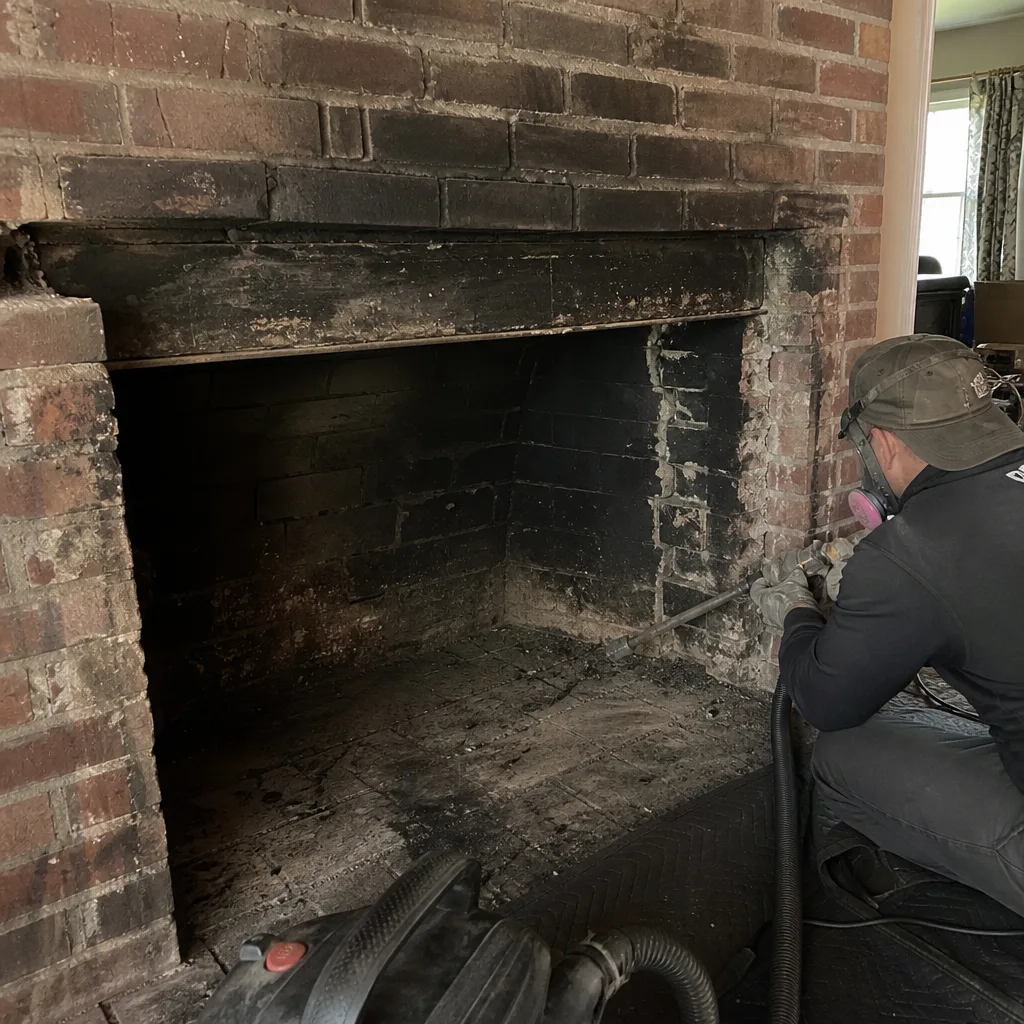 Before
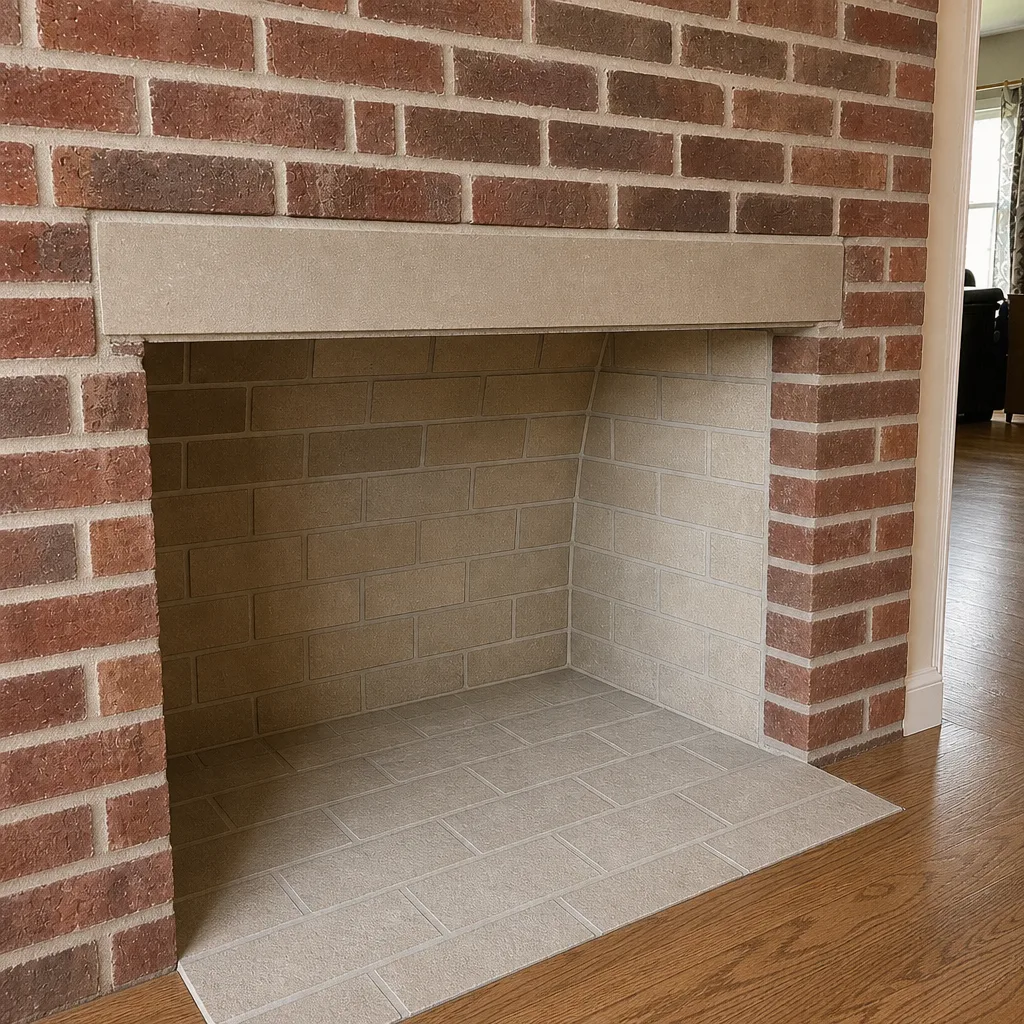 After
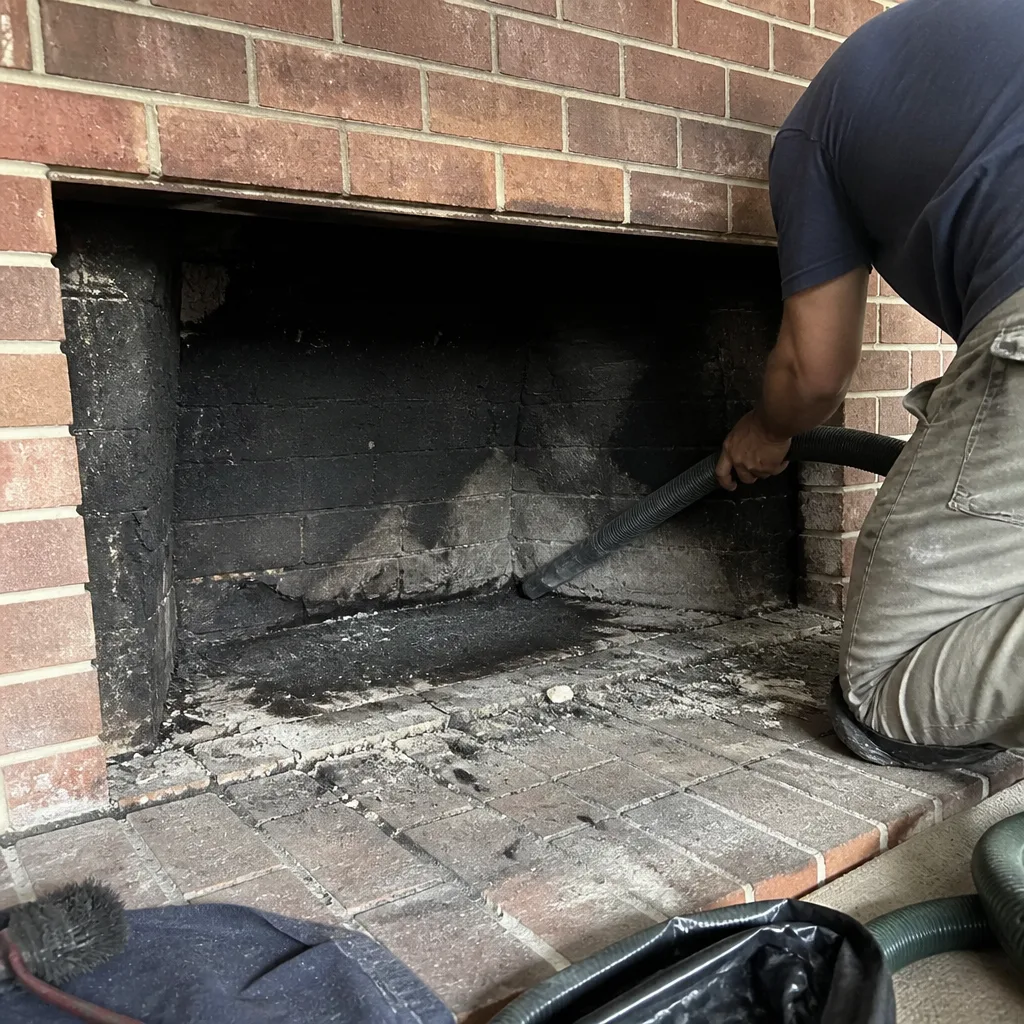 Before
 After
 Before
 After
When to Call a Professional
You should call a professional chimney service in Donelson in any of these situations:
- It’s been a year or more since your last sweep and you burn wood regularly
- You smell smoke inside the house when the fireplace is running, or you smell a strong odor when it’s not
- You’ve noticed water stains on the ceiling near the chimney or visible staining on the chimney exterior
- You’ve had a chimney fire, even a small one, or you’ve heard a roar or crackling from the flue
- You’ve converted from wood to a gas insert and haven’t had the new venting inspected since installation
- You’re buying or selling a Donelson home with a wood-burning fireplace and haven’t had an inspection
- Your carbon monoxide detector has gone off, with no other obvious cause
We answer every call and we’ll tell you plainly whether the situation needs a visit or can wait. Chimney Sweep Donelson offers free estimates in Donelson. Call (855) 337-0795. We answer 24/7. Fast dispatch from 7am to 7pm, Sunday through Friday.
Frequently Asked Questions
You check the CSIA public certification database directly at csia.org. Ask the contractor for the certification number of the specific technician who’s coming to your home, then search that number yourself. Don’t accept a certificate on a wall or a number read over the phone. The database is the only authoritative source, and the status should show as currently active. If you can’t verify it, book elsewhere.
A regular sweep handles the cleaning; a Level 2 inspection adds a camera view of the flue interior and is the right baseline when you’ve moved into a new home, changed fuel type, had a chimney fire, or it’s been more than a year. In Donelson, where a lot of homes have original clay-tile liners from mid-century construction, a Level 2 inspection is worth doing at least once to establish the baseline. Call (855) 337-0795 for an exact quote. Estimates are free.
Tennessee doesn’t require a state-issued chimney sweep license, so there’s no state exam or registry for the trade. The CSIA certification is voluntary and is the closest thing to a professional standard in the state. That means vetting is your job: verify the CSIA credential, confirm the insurance, and ask the right questions before you book. Call (855) 337-0795 to talk through what to ask.
A chimney should be swept once a year if you burn wood regularly, and cleaned whenever creosote buildup reaches the level where a professional would flag it – typically about a quarter inch on the flue walls. If you burn only occasionally, an annual sweep is still the right habit, because creosote can accumulate over a few seasons and a sweep catches problems the naked eye can’t. Call (855) 337-0795 for an exact quote. Estimates are free.
Skipping a year means creosote keeps building on the flue walls, and creosote is the material that burns in a chimney fire. It also means small problems – hairline liner cracks, a cracked crown, a loose damper – have another season to get worse. Not every skipped year results in a problem, but the cost of catching something early is much smaller than the cost of repairing a damaged liner or rebuilding a crown. Call (855) 337-0795 for an exact quote. Estimates are free.
If you know your chimney is in good condition, a cleaning-only service can work. The advantage of a full-service chimney company is that the technician who inspects is also the one who repairs, so problems found during the sweep are handled by the same team, with no gap in accountability. A cleaning-only crew that discovers a problem has to refer you elsewhere, and the second contractor’s diagnosis may not match the first. Call (855) 337-0795 to talk about what you need.
They’re the same job under different names – repairing the sloped area above the firebox with a refractory material. HeatShield is one well-known system for resurfacing. When you compare quotes, translate the terms into the same language before comparing prices, and ask what material and application method each contractor uses. Call (855) 337-0795 if you want to walk through a quote. Estimates are free.
The Bottom Line
Hiring a chimney contractor in Donelson comes down to three things: verify the credential, verify the insurance, and get the scope in writing before the job starts. The words “licensed and insured” don’t carry any weight in a state without chimney licensing. The CSIA number and the insurance certificate do. When you compare quotes, translate the terminology so you’re comparing the same work with the same materials. When a repair is recommended, ask for photos and a written report, and ask what can safely wait. The right company will answer all of it without pressure, and they’ll tell you plainly when your chimney doesn’t need work at all. That’s the signal to look for. We handle the full chimney, from the firebox to the cap, and we’re happy to be the second opinion on your Donelson home. Call (855) 337-0795. We answer 24/7. Fast dispatch from 7am to 7pm, Sunday through Friday.
Written by the team at Chimney Sweep Donelson.