
Last updated November 24, 2026
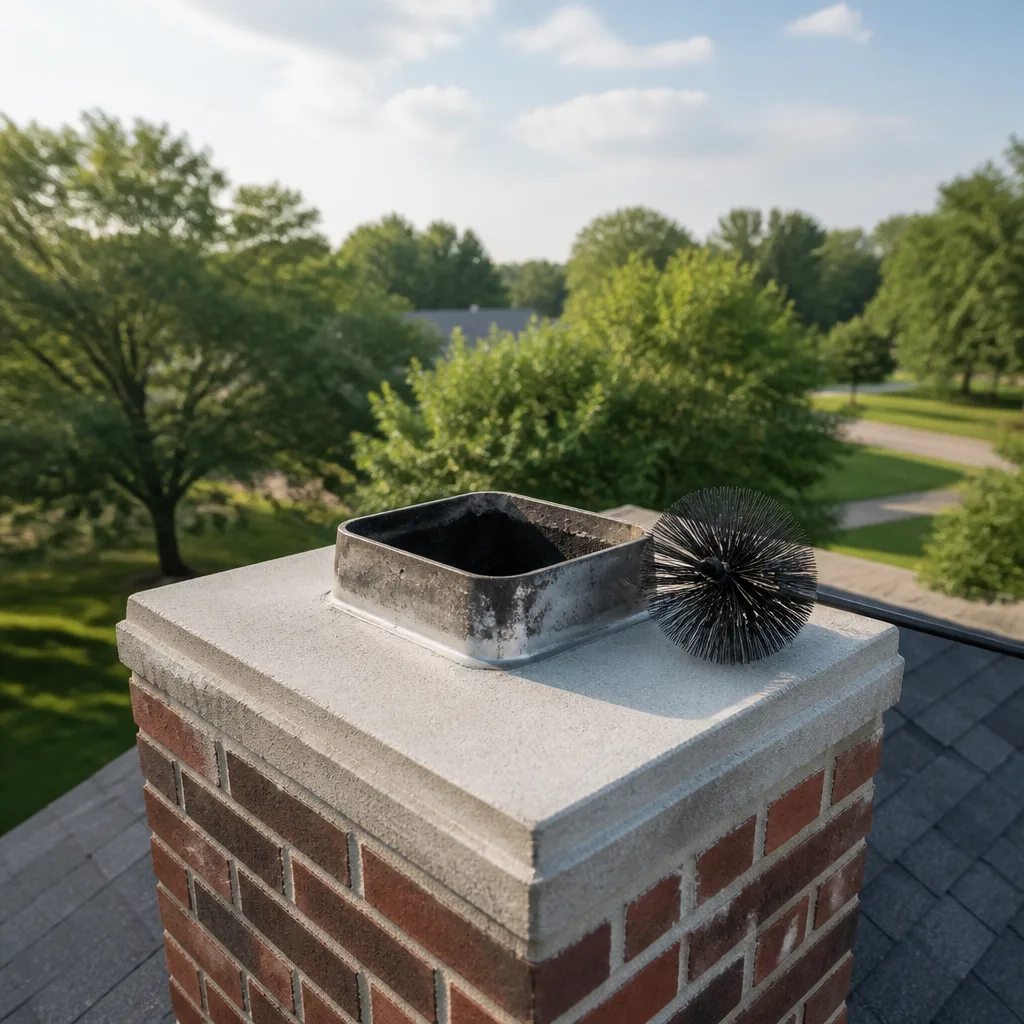 Sweep & inspection
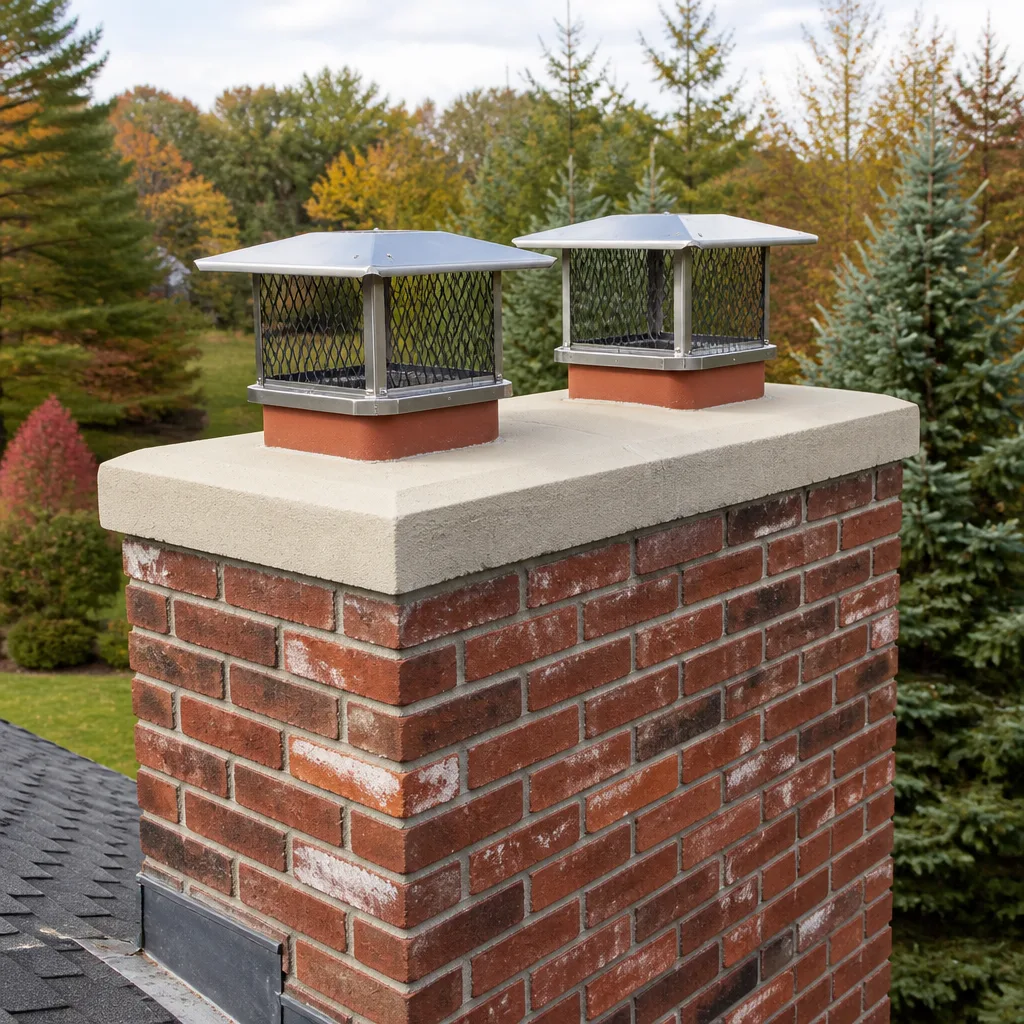 Caps & crowns
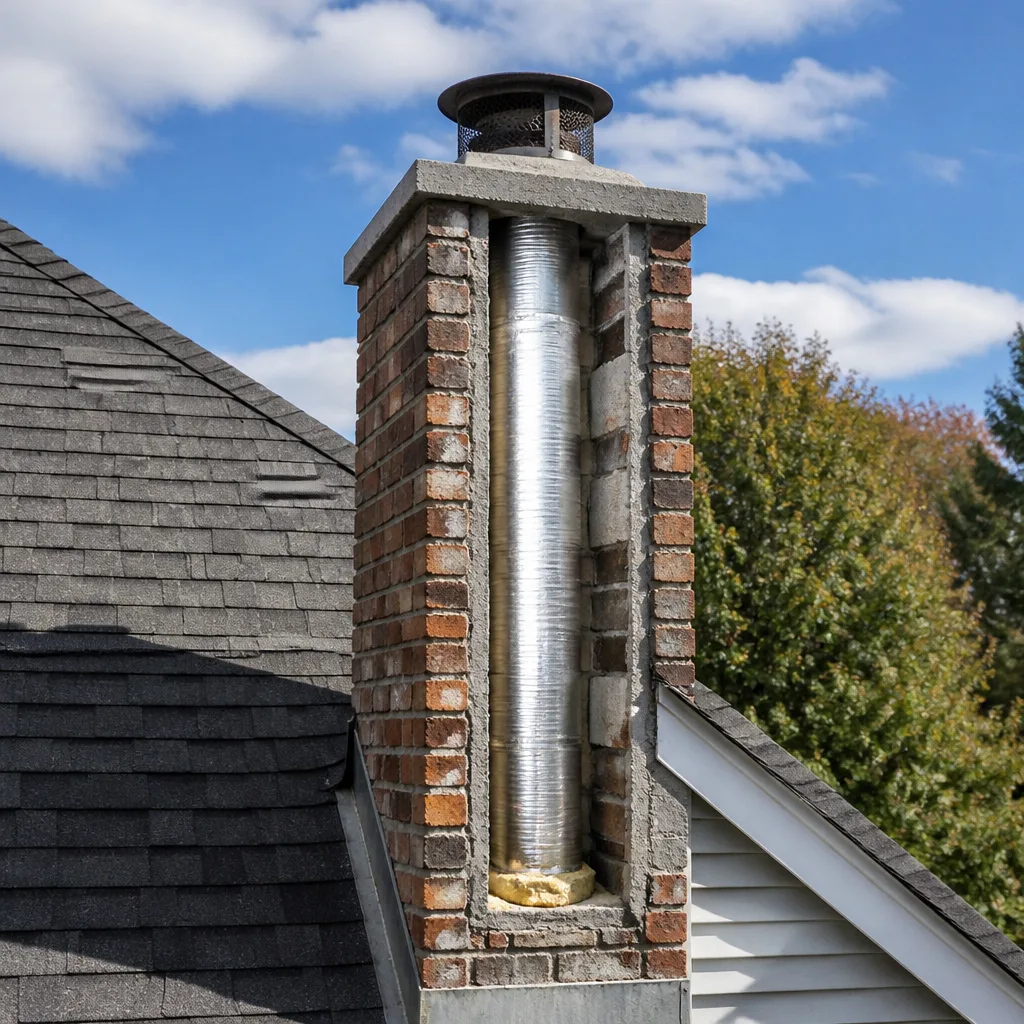 Flue relining
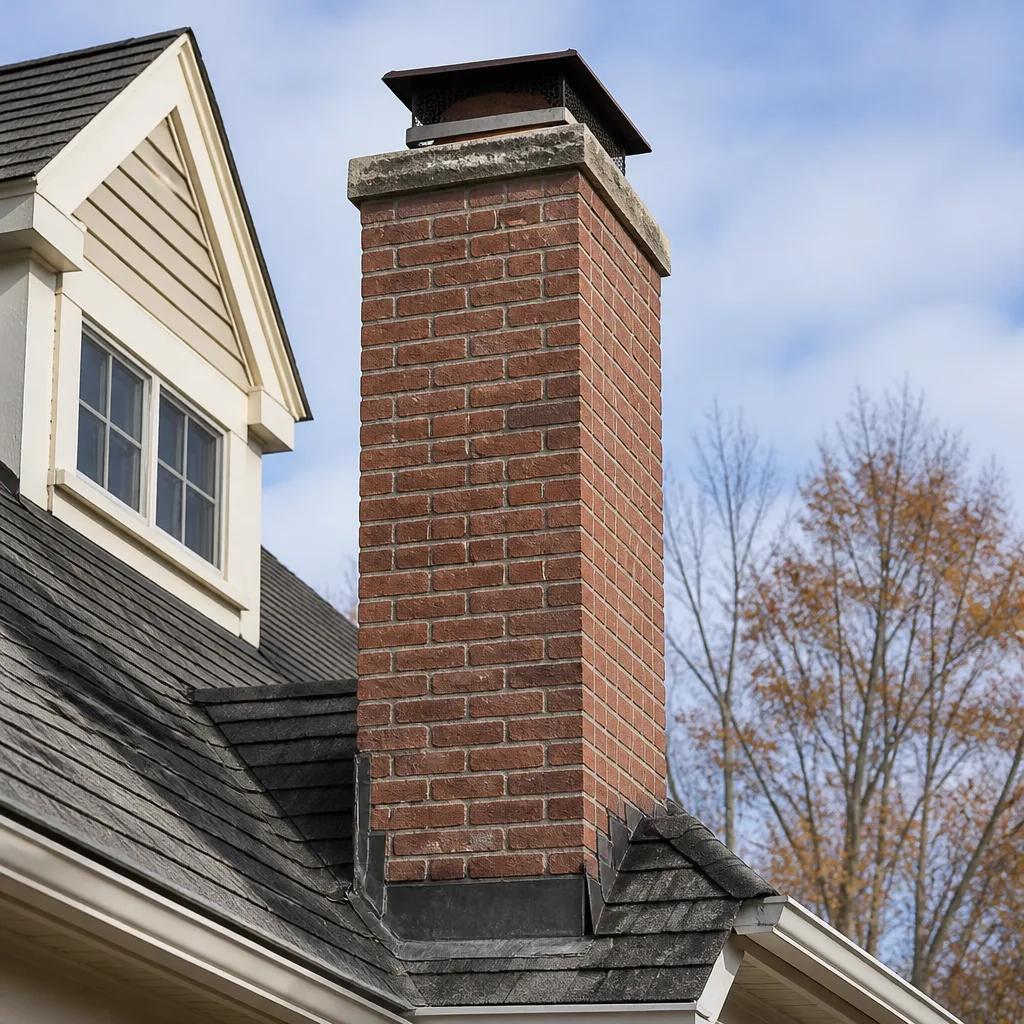 Masonry repair
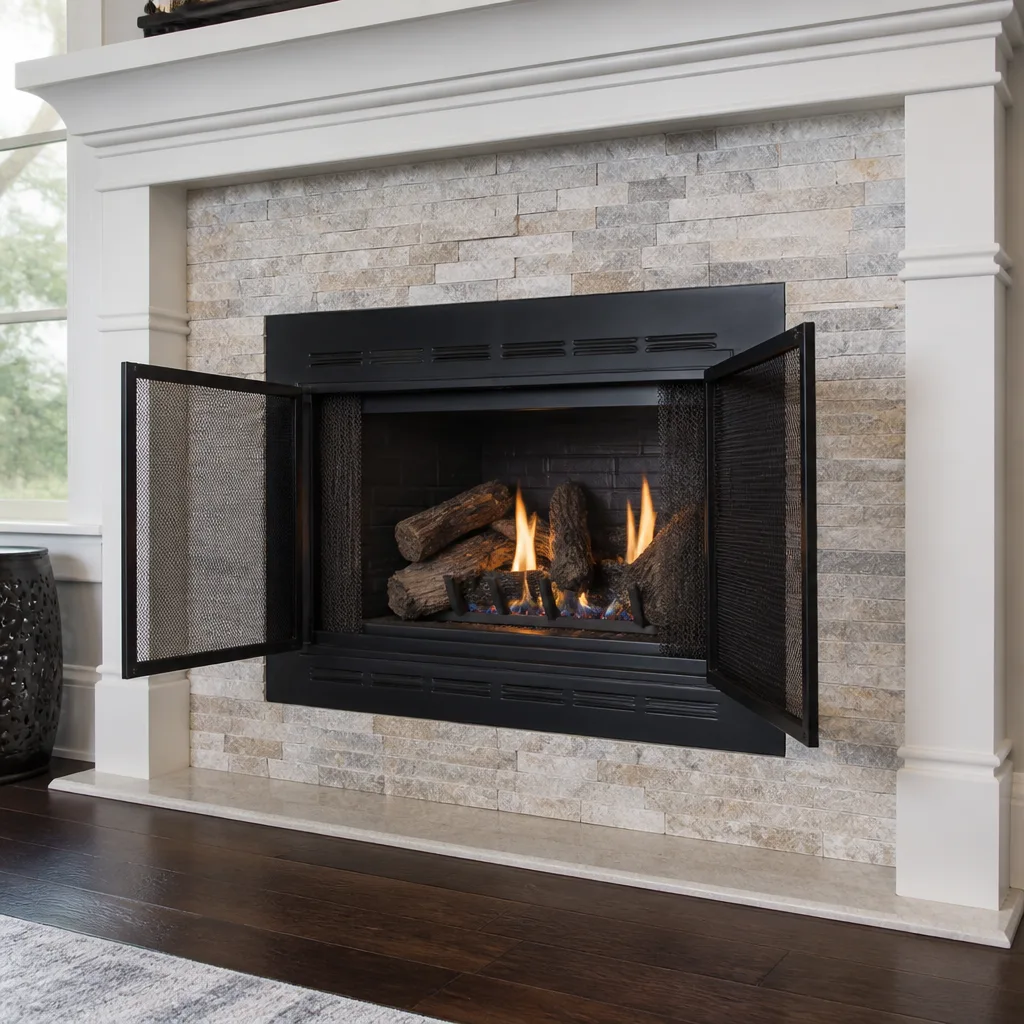 Gas fireplace service
Level 1 sweep and inspection to the NFPA 211 annual standard - flue, crown, cap, and flashing checked and photographed
Chimney sweep logs do not sweep chimneys. They loosen some creosote - which then falls where a brush and vacuum still have to collect it.
The Complete Guide to Chimney Cleaning in Donelson
A wire brush that’s perfect for a clay tile flue can crack a cast-in-place liner. Yet most DIY guides recommend the same tool for every chimney they describe. The difference isn’t the brush. It’s knowing what’s inside your flue before anything touches it. In Donelson, where post-WWII brick ranches sit a few streets from newer construction, that question has more than one answer. A chimney built in 1955 and a chimney built in 2015 can look identical from the fireplace and need completely different cleaning methods. This guide maps the actual decision tree a trained sweep works through when they first look at your chimney: liner type, fuel, creosote stage, and inspection level. You’ll finish knowing what a proper cleaning involves, why it varies, and when a job stops being a cleaning and becomes something else.
Quick Answer
Chimney cleaning in Donelson means removing creosote, soot, and debris from a flue whose liner material determines the tools and method used. Clay tile, stainless steel, and cast-in-place liners each require different brush types and pressure, and a proper job starts with an NFPA 211 Level 1 inspection so the sweep knows what’s inside before cleaning begins. Most wood-burning fireplaces need sweeping once a year or after roughly a cord of wood, whichever comes first.
Styles & brands we work with
- Sweep & inspection
- Caps & crowns
- Flue relining
- Masonry repair
- Gas fireplace service
Table of Contents
- Why flue liner type decides the cleaning method
- What older Donelson brick chimneys often hide
- Level 1, 2, and 3 inspections: which one your home needs
- Creosote stages and what they change about the job
- How Middle Tennessee wood affects creosote buildup
- What actually happens during a professional cleaning
- How often a Donelson chimney needs sweeping
- What chimney cleaning costs in Donelson
Why flue liner type decides the cleaning method
The liner is the surface your flue gases touch, and it’s the first thing a trained sweep identifies. A domestic chimney sweep who reaches for the same brush on every job is either guessing or doesn’t know what they’re looking at. Here’s how the three common liner types differ in practice.
- Clay tile liner. The standard in mid-century masonry chimneys. Individual clay tiles stacked with mortar joints. Clay tolerates a stiff polypropylene or wire brush, but the mortar joints between tiles are the weak point: a joint that’s spalled or cracked can catch a brush and shed material, and a missing joint lets creosote reach the surrounding brick.
- Stainless steel liner. A flexible or rigid metal liner, often installed during a reline. Stainless needs a softer brush, usually polypropylene, because aggressive metal bristles can score the inner surface over time. A magnetic sweep and a visual check confirm the liner is continuous with no seam failures.
- Cast-in-place liner. A poured or sprayed refractory cement lining, sometimes applied as a resurfacing repair over an existing damaged flue. Cast-in-place liners are harder than clay but brittle at the edges. A stiff wire brush used with force can crack the surface, which is exactly why the tool has to match the material.
In our experience, cast-in-place liners are where DIY advice goes wrong most often. A homeowner buys the same wire brush a neighbor used on a clay flue, applies the same pressure, and chips the liner surface. Once that surface is compromised, the repair is no longer a cleaning; it’s a resurfacing job. Materials like HeatShield exist for ceramic resurfacing repairs precisely because cast-in-place and clay liners do get damaged, and restoring the surface is often cheaper than a full reline. Knowing which liner you have before you start is the entire point.
What older Donelson brick chimneys often hide
Donelson’s housing stock spans a wide range of construction eras, and the post-WWII brick ranch is the one that most often surprises a sweep. These homes were built in a period when chimney documentation was thin, and many have been through one or more fireplace conversions since. What you find behind the damper is genuinely unknown until the inspection happens.
Three conditions come up repeatedly in older Donelson masonry chimneys:
- Undocumented relines. A previous owner may have inserted a stainless liner, poured a cast-in-place liner, or left the original clay tiles in place. There’s often no paperwork. The sweep confirms the liner type visually and with a camera before cleaning.
- Open mortar joints and spalled tile. Decades of heating and cooling cycles, plus Middle Tennessee’s humidity swings, work on the masonry. A joint that’s deteriorated lets creosote and moisture into the brick body, which changes the scope from “clean the flue” to “clean, then assess repair.”
- Wood-to-gas conversions. A fireplace that once burned wood and now holds a gas insert or log set is a different cleaning job entirely. The flue may still carry wood creosote from earlier use, and gas appliances need their own venting check.
This is why a chimney-only specialist matters. A technician who also handles fireplace repair and structural chimney work reads those findings in context. A cleaning-only crew has no reason to climb onto the roof and inspect the crown, and no reason to flag a liner issue it can’t fix. One inspection, one company, one point of accountability.
Level 1, 2, and 3 inspections: which one your home needs
NFPA 211 defines three inspection levels, and the level determines how much of the chimney is examined and what tools are used. Most annual Donelson cleanings call for a Level 1. The other two come up when something has changed or something looks wrong.
- Level 1. A visual check of readily accessible portions of the chimney, firebox, damper, and flue, plus the appliance connection. It’s the standard inspection for a routine annual cleaning when the system is unchanged and burning normally.
- Level 2. Everything in a Level 1 plus a closer look at accessible attic, crawlspace, and roof areas, often with a camera. A Level 2 applies when you’ve changed fuel type, replaced the appliance, had a chimney fire, bought the home, or noticed a performance change. In Donelson, a Level 2 is the sensible starting point for any chimney in a home you’ve recently purchased, because the previous owner’s documentation is rarely complete.
- Level 3. The most involved inspection, used when a hazard is suspected in concealed areas and portions of the chimney may need to be opened or dismantled to examine them. A Level 3 only happens when a Level 1 or 2 flags a specific concern worth investigating.
Ask which level the sweep is performing before work starts. A technician who can’t tell you is probably not working to the standard. We explain what we find and why it matters before we do anything, and the inspection level is part of that conversation.
Creosote stages and what they change about the job
Creosote isn’t one substance. It builds up in three recognizable stages, and the stage determines whether the job is a standard sweep or a chemical treatment plus mechanical removal.
- Stage 1: soot and light flaky deposits. A thin, powdery coating. A standard brush sweep removes it. This is the ideal state to find a flue in, and it’s the stage regular annual cleaning keeps you at.
- Stage 2: a crusty, flaky layer. The deposits have hardened into a brittle, sometimes glassy crust that clings to the liner. A brush alone doesn’t remove this cleanly. Stage 2 calls for a chemical creosote remover to soften the crust, followed by mechanical removal with the right brush for the liner material. The job takes longer and costs more, but it’s still a cleaning.
- Stage 3: a hard, glazed, tar-like layer. This is the most advanced creosote, dense and bonded to the flue, and it’s the stage most associated with chimney fire risk. Stage 3 typically requires repeated chemical treatment and mechanical removal over more than one visit. If it’s severe enough, or if the liner is damaged beneath it, the fix may become relining rather than cleaning.
Creosote ignites at temperatures a normal wood fire can reach if the deposits are thick enough. That’s the practical reason for concern, and it’s why the stage matters to the homeowner, not just the sweep. We can work with your insurer if a chimney fire has occurred, and the inspection report and photos give you and your insurer the same documentation. Chimney Sweep Donelson stocks and installs caps from dedicated manufacturers like Copperfield and Famco, because the moisture that accelerates creosote and liner decay usually enters from the top.
How Middle Tennessee wood affects creosote buildup
What you burn changes how fast creosote forms. Oak and hickory dominate the firewood you’ll find around Donelson, and both are dense hardwoods. Dense wood delivers more heat per cord than softwoods like pine or poplar, but density alone doesn’t guarantee clean burning. Moisture content matters more than species.
Seasoned oak and hickory, split and dried for a full year, burn hot and leave lighter deposits. Green or unseasoned hardwood, or wood that’s been sitting uncovered through a wet Middle Tennessee spring, burns cool and produces far more creosote because the fire spends energy burning off water vapor. A smoldering, low-oxygen fire – the kind you get when you damper down a fire overnight – is the real creosote factory, regardless of wood type. In practice, a Donelson homeowner burning seasoned oak and hickory hot and clean will build deposits more slowly than one burning damp wood in a choked-down firebox. The annual cleaning interval changes accordingly.
A quick way to check: knock two pieces of firewood together. A dry, seasoned piece rings sharp and feels light. Green wood thuds and feels heavy for its size. That single habit reduces creosote more than any brush choice.
What actually happens during a professional cleaning
A professional cleaning follows a sequence, and the order matters. Here’s what a trained sweep works through on a Donelson wood-burning fireplace:
- Protect the room. Drop cloths and a sealed work area keep soot off furniture and floors.
- Inspect before cleaning. Confirm the liner type, check the damper and firebox, note creosote stage, and identify anything that changes the cleaning approach.
- Select tools for the liner. Polypropylene for stainless and cast-in-place surfaces, stiffer brushes where clay tile and stage 2 crust call for it.
- Sweep the flue from the top or bottom. Remove creosote and soot, working with the deposit stage rather than fighting it.
- Clean the firebox, smoke chamber, and damper. These areas collect deposits the flue brush can’t reach.
- Run a camera check. Confirm the liner is clean and intact, and photograph any issue for the homeowner.
- Inspect the exterior. Crown, cap, flashing, and masonry joints. Note what needs attention and what can wait.
- Report findings with evidence. You see the photos, and you get the recommendation explained in plain terms.
Cap and crown condition is part of that exterior check. A cracked crown lets water into the masonry, and a missing or generic cap lets rain, debris, and animals into the flue. We install chimney cap & crown components from dedicated manufacturers rather than hardware-store caps, because the fit and the material hold up through Middle Tennessee’s freeze-and-thaw cycles. Trade-grade materials from brands chimney professionals trust, sourced through suppliers like Olympia Chimney and DuraFlex, are what we build repairs around.
How often a Donelson chimney needs sweeping
The working rule is once a year for a wood-burning fireplace, or after roughly a cord of wood, whichever comes first. Heavy burners should be swept more often. A gas insert or gas log set doesn’t produce wood creosote, but it does need an annual inspection to check the venting and confirm the appliance is burning cleanly.
Donelson’s climate adds a seasonal rhythm. Fall and early winter are when most homeowners book, right before burning season, and it’s the sensible time to do it: a sweep and inspection before the first fire means you know what’s in the flue before you load it. The urgency here is seasonal, not hourly. You don’t need a same-day sweep because you lit a fire last night; you need a sweep booked before the season starts. If you’ve already burned a season without a cleaning, that’s reason enough to book one now.
What chimney cleaning costs in Donelson
Chimney cleaning in Donelson is priced per job by the written estimate. The variables are the liner type, the creosote stage, the amount of access needed (roof, firebox, or both), and whether an inspection beyond Level 1 is required. A straightforward annual sweep on a wood-burning fireplace sits at the low end. A stage 2 or stage 3 creosote removal, a gas conversion, or a chimney with damage found during inspection moves to the higher end. We give a written estimate with the price agreed before the work begins, so there’s no surprise on the invoice.
The estimate is free, and the price is set per job by the written estimate. If the inspection turns up a problem, we explain what we found and why it matters before recommending anything. If it can safely wait, we’ll tell you that too. Nothing is recommended without camera evidence you can see for yourself.
Common Mistakes to Avoid
- Using the same brush on every flue. A stiff wire brush that suits a clay tile liner can crack a cast-in-place liner surface. Identify the material before choosing the tool.
- Skipping the inspection and just cleaning. A cleaning removes deposits but doesn’t tell you whether the liner, crown, or joints are sound. In older Donelson brick chimneys, the inspection often finds more than the soot does.
- Burning green or wet wood. Unseasoned wood burns cool and builds creosote fast. Buy seasoned, split wood and keep it covered.
- Damping a fire down overnight. A slow, smoldering fire is the fastest route to stage 2 or stage 3 creosote, no matter which hardwood you burn.
- Treating a gas conversion like a wood chimney. A gas insert is a different appliance with different venting needs. It still needs an annual inspection, and the flue may still hold creosote from earlier wood use.
- Ignoring a cracked crown or missing cap. Water and debris entering the top are what cause many liner and masonry problems in the first place.
- Hiring a generalist who “also does chimneys.” A company that sweeps, inspects, and repairs is a company that notices problems a cleaning-only crew would miss.
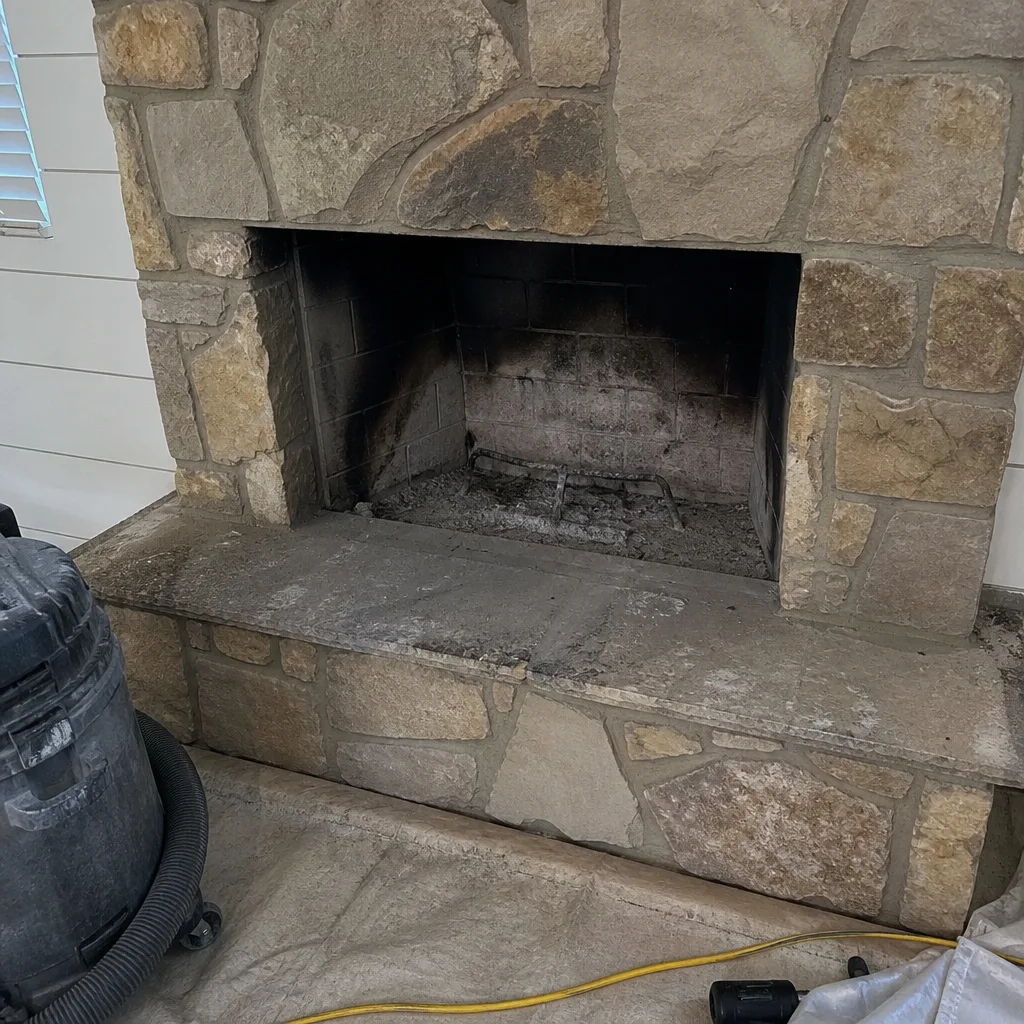
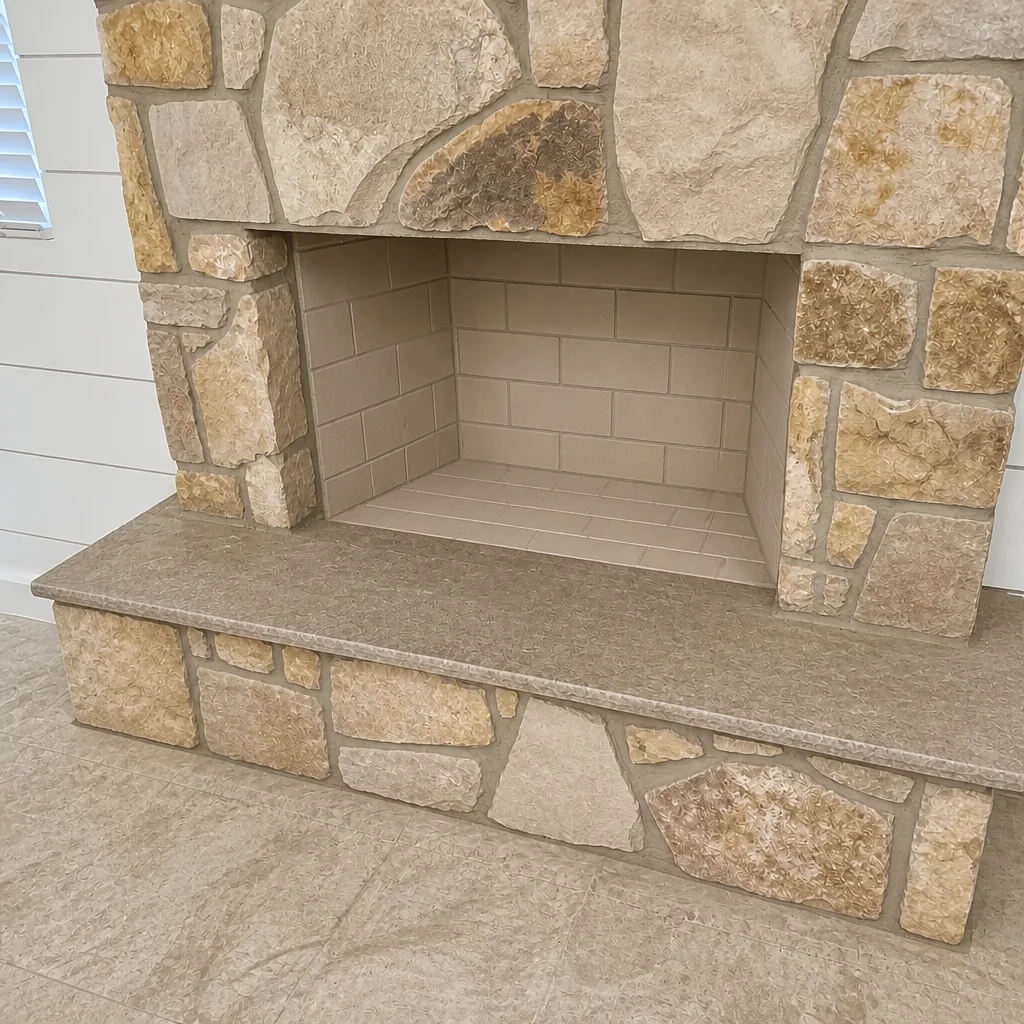
See the difference
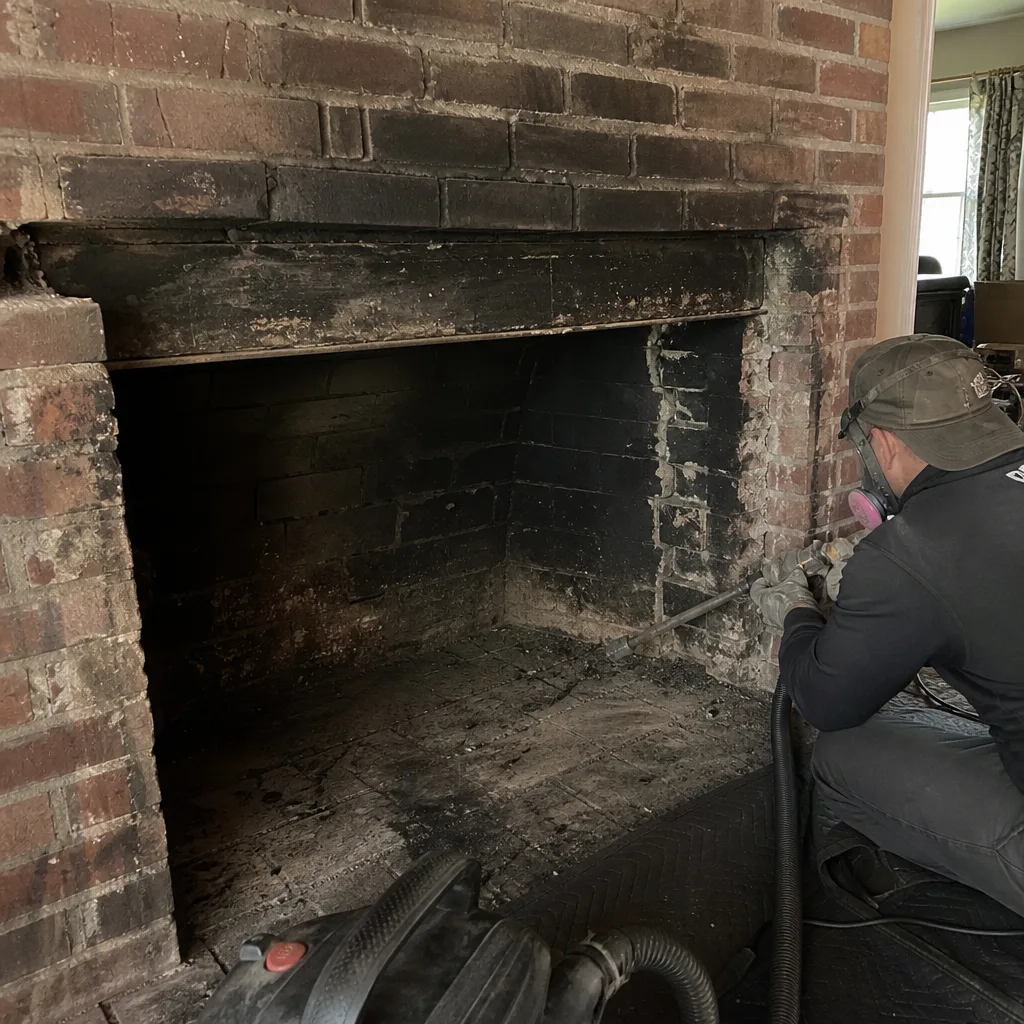 Before
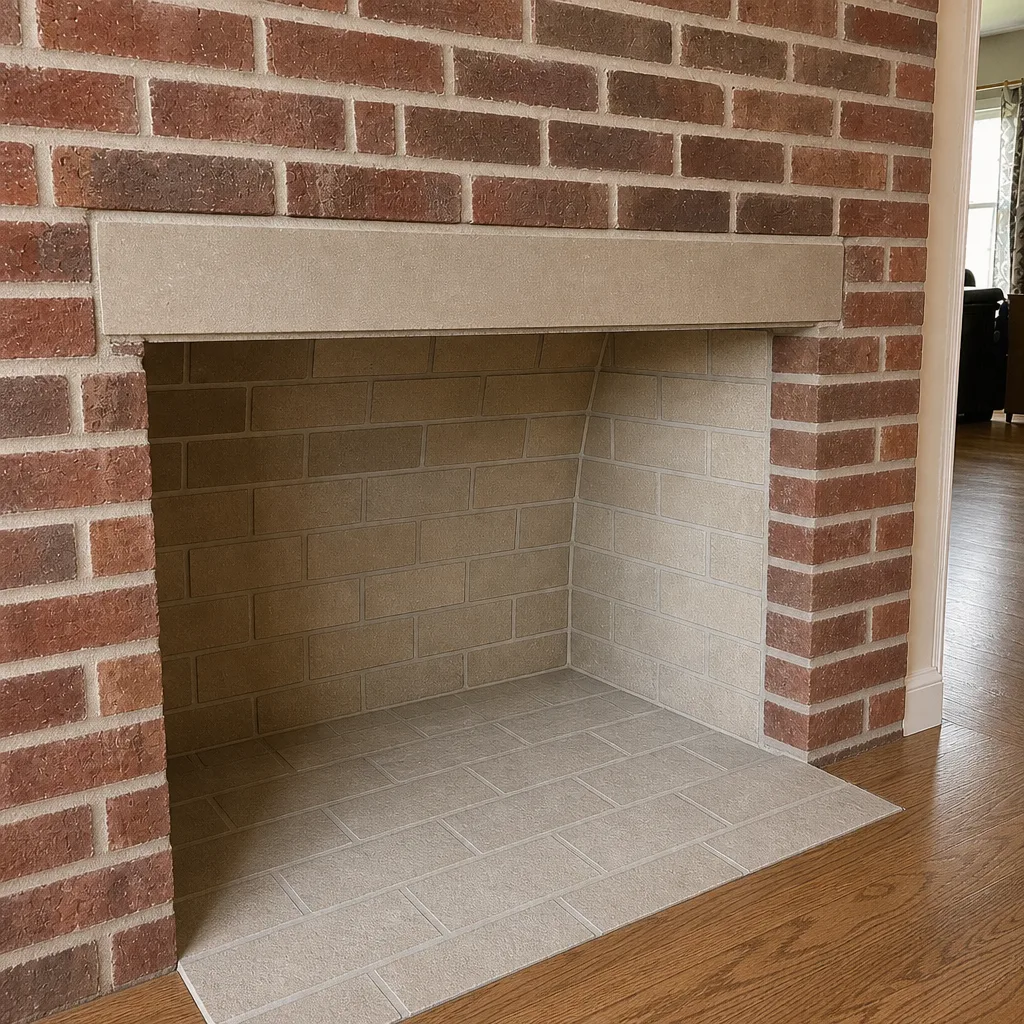 After
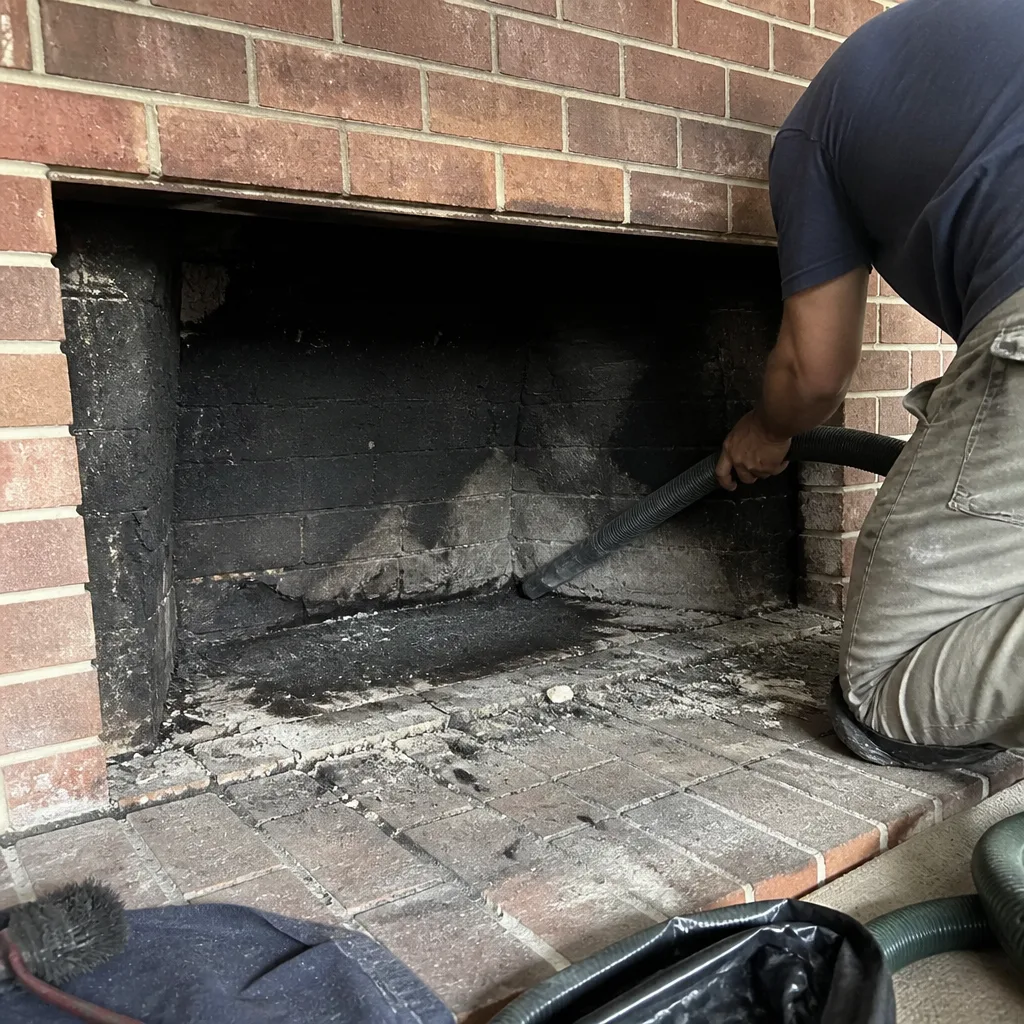 Before
 After
 Before
 After
When to Call a Professional
Call a professional when you don’t know your liner type, when the flue has never been inspected, or when you’ve recently bought the home and can’t find a record of the last cleaning. Call if you’ve had a chimney fire, if you notice a strong smoky smell in the room, or if you see cracked masonry, a damaged crown, or a missing cap. Call if you’re switching from wood to gas or installing a new appliance. And call if you just want a sweep and inspection done before burning season. Chimney Sweep Donelson offers free estimates in Donelson. Call (855) 337-0795. We answer 24/7. Fast dispatch from 7am to 7pm, Sunday through Friday.
Frequently Asked Questions
Chimney cleaning in Donelson is priced per job, set by a free written estimate after the inspection confirms the liner type, creosote stage, and access needed. A standard annual sweep costs less than stage 2 or stage 3 creosote removal, which takes longer and may span more than one visit. Call (855) 337-0795 for an exact quote. Estimates are free.
Not always. A cleaning or a resurfacing repair can often restore the liner without replacement. Ceramic resurfacing with HeatShield can extend the life of a damaged cast-in-place or clay liner without the cost of a full reline, and it’s the repair-first option we start with when the damage allows it. You’ll see the camera evidence of the condition before any recommendation is made.
Sweep a wood-burning fireplace once a year or after about a cord of wood, whichever comes first. Gas appliances need an annual inspection even though they don’t produce wood creosote. Heavy burners or anyone burning unseasoned wood should consider more frequent checks.
Creosote keeps building, advancing toward stage 2 and stage 3, and the fire risk rises with the deposit thickness. Moisture and debris can also damage the liner and masonry over time. The fix is a sweep now rather than a repair later. Call (855) 337-0795 to book an inspection and sweep before the season. Estimates are free.
No, not safely. The liner material determines the brush and the pressure, and using the wrong one on a cast-in-place or stainless liner can cause damage. A proper job identifies the liner during the inspection before the cleaning starts.
A Level 1 is a visual check of accessible parts of the chimney during a routine cleaning. A Level 2 adds a camera and closer examination, and applies when the fuel or appliance has changed, after a chimney fire, or after a home purchase. In Donelson, a recently purchased older home usually warrants a Level 2 first.
The Bottom Line
Chimney cleaning in Donelson isn’t one task; it’s a decision tree that starts with the liner material and the creosote stage. Clay tile, stainless steel, and cast-in-place liners need different tools, and stage 2 or stage 3 creosote changes the job from a sweep to a chemical and mechanical removal. Older brick chimneys in Donelson often hide undocumented relines and joint damage, which is why the inspection comes first. Seasoned hardwood, burned hot, keeps creosote down. A sweep-and-inspection company that also repairs catches what a cleaning-only crew misses. Book before burning season and get the flue checked before you load it. Call (855) 337-0795 for a free estimate. We answer 24/7, with fast dispatch from 7am to 7pm, Sunday through Friday.
Written by the team at Chimney Sweep Donelson.